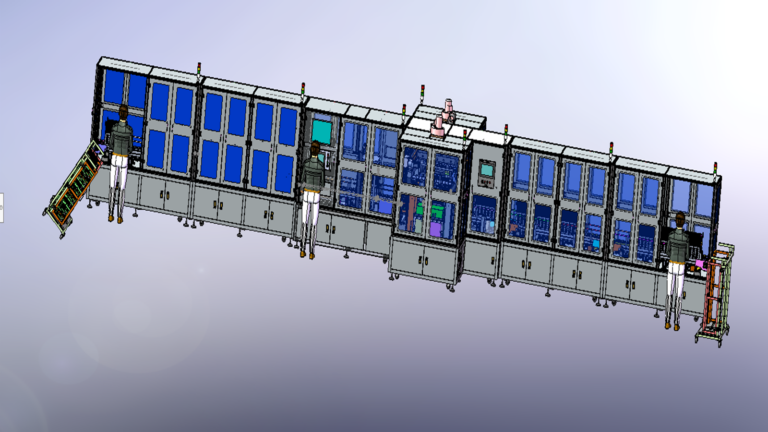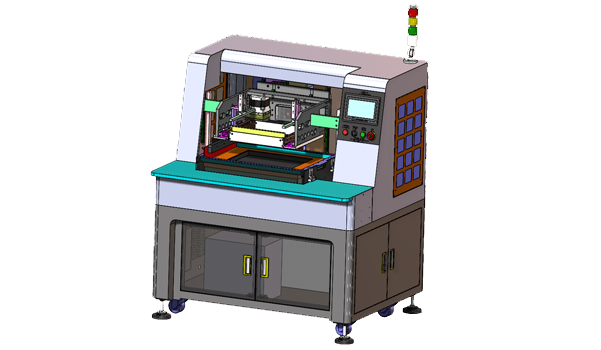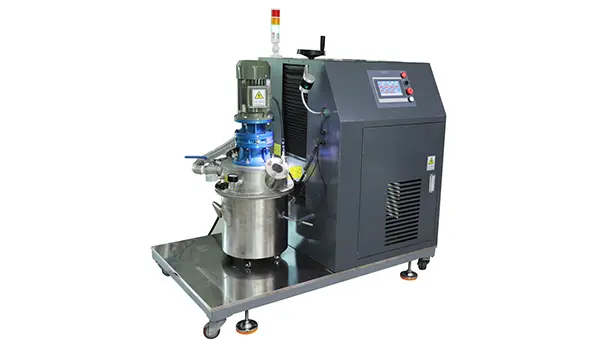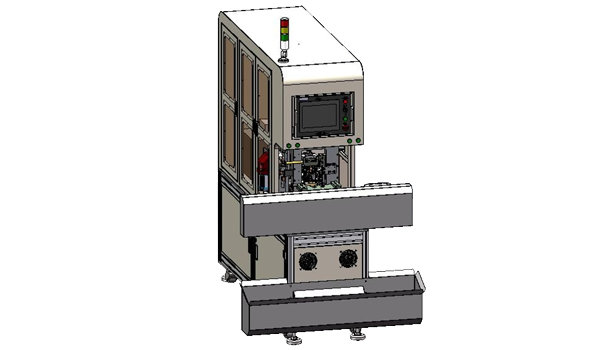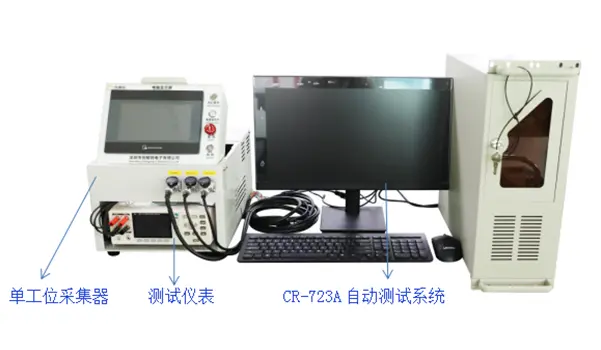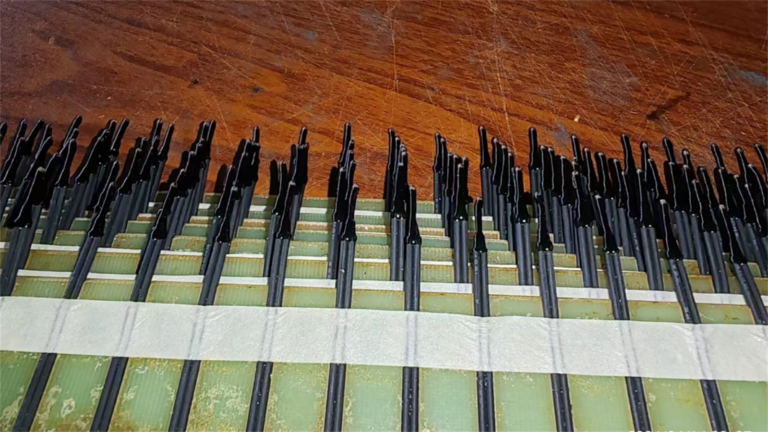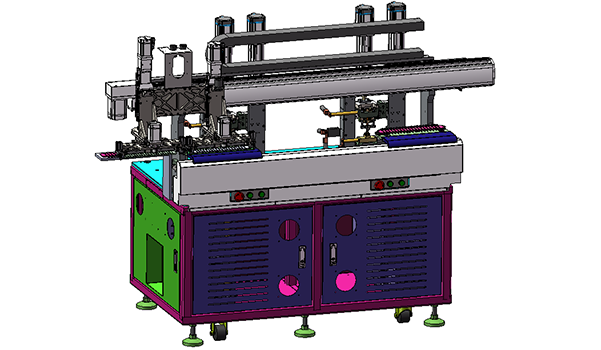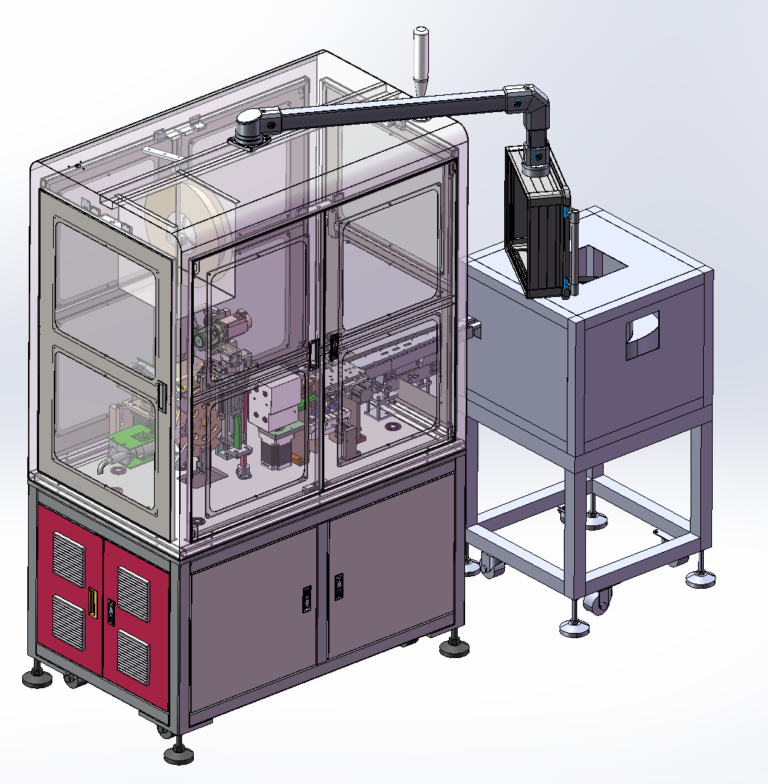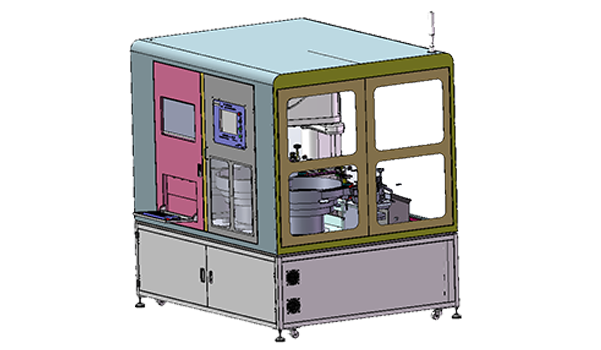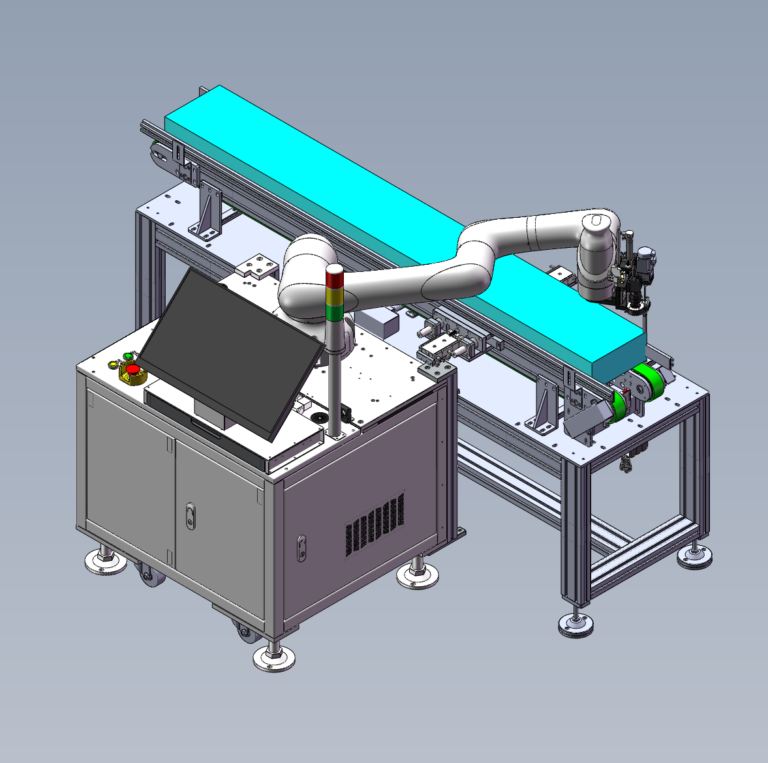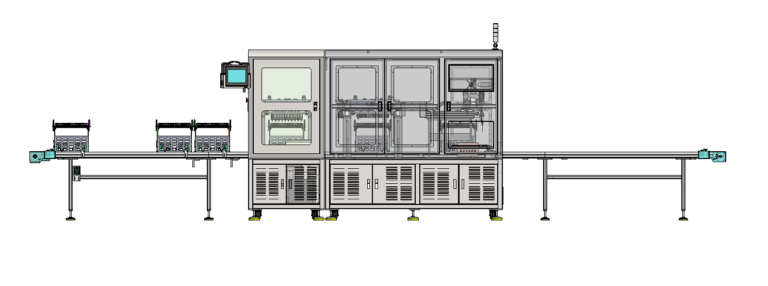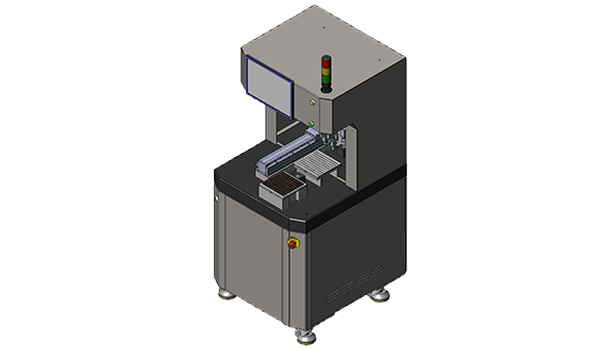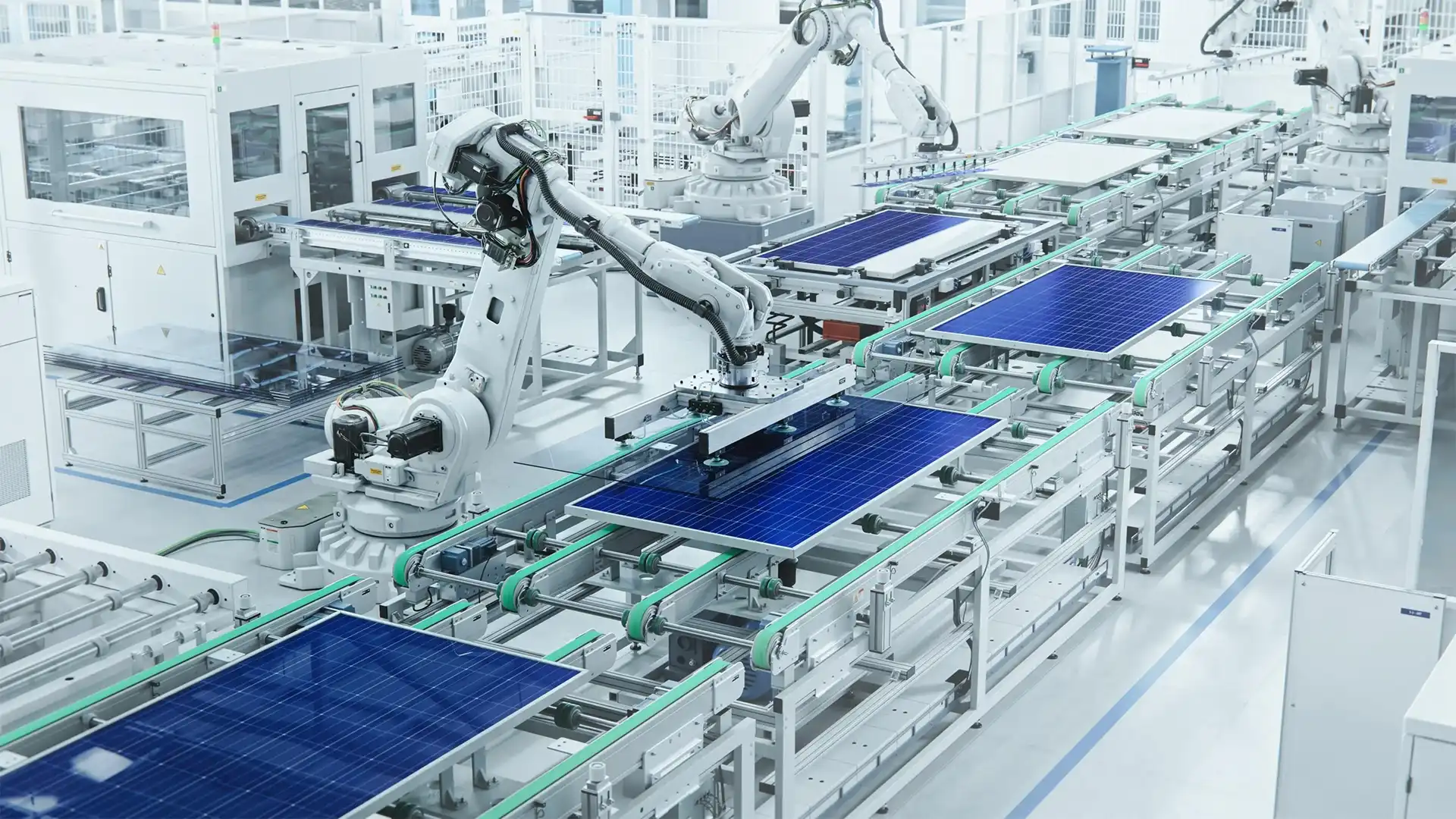
An automated assembly line refers to a product assembly system that uses automated production equipment in combination with robots, control systems, and industrial manufacturing software systems to deliver programmed, standardized assembly with controlled quality and full process traceability, based on the product’s manufacturing workflow. There are several types of automated assembly, including semi automated assembly lines, fully automated assembly lines, dedicated assembly lines, and flexible assembly lines.
Types of Automated Assembly Lines
Semi Automated Assembly Line
A semi automated assembly line requires direct human involvement in the assembly process. For example, an operator may need to load materials into an automated machine. After the machine completes a specific assembly step, the operator then removes the semi finished part and transfers it to the next automated processing machine. In addition, for certain operations that require high dexterity and are difficult to automate, people still need to work alongside the equipment to complete the assembly.
Although a semi automated assembly line relies on human participation, it applies to a wide range of use cases and offers strong flexibility, which is why it remains the production approach used by most manufacturers today.
Fully Automated Assembly Line
A fully automated assembly line is one where the entire assembly process can be completed by machines. People are only responsible for entering the product recipe into the automated assembly system and monitoring the assembly process, equipment status, and material supply. They do not directly take part in the assembly work.
Dedicated Assembly Line
A dedicated assembly line is a line that is deeply customized specifically for manufacturing a particular product. Its advantages show up clearly in cycle time, cost, and efficiency, and it can also deliver excellent product reliability and consistency. The downside is that because it is so heavily tailored to a specific product, converting a dedicated line to build other products is typically expensive and time consuming. From an ROI perspective, it is better suited to production needs where the product has a long lifecycle, orders are stable over the long term, and the product version remains consistent.
Flexible Assembly Line
A flexible assembly line can support the production of multiple products. It can quickly adjust operations based on new parts or new product requirements, and when switching to a different product or component, it typically requires little to no downtime. Its value lies in improving overall line utilization and supporting products that iterate quickly. That said, compared with a dedicated assembly line, a flexible assembly line usually does not achieve the same level of production efficiency.
Advantages of Automated Assembly Lines
Higher throughput and stable takt time
Automation standardizes assembly actions into repeatable, consistent cycle times, delivering stable production efficiency. It also allows the production rate to be adjusted to handle sudden spikes in order volume and fluctuations in demand.
Stronger consistency, higher yield, and lower cost
Traditional manual assembly is prone to errors, while an automated assembly line performs repetitive work strictly according to a fixed process flow. This delivers strong assembly consistency and high stability, significantly reducing material waste and the defect rate.
Improved traceability
An automated assembly line is typically equipped with industrial manufacturing software systems that record incoming materials, in process operations, and finished goods, and bind those records to the product serial number. This provides reliable, traceable data to support ongoing product improvement.
A safer, more sustainable workforce structure
High intensity and higher risk assembly operations can be handled by automated equipment, allowing personnel to shift to monitoring and maintenance work. Examples include automated welding and automated handling of large parts.
Whether to implement an automated assembly line is, at its core, an ROI decision.
To evaluate ROI, we need to make a comprehensive decision based on the cost of automation, how quickly the product is likely to evolve, and overall fit and adaptability.
For example, if we want to automate NTC sensor assembly, we first need to estimate how frequently the NTC sensor design will be updated or iterated, and then choose the most appropriate type of assembly line. Next, we work with experienced automation specialists to assess feasibility and estimate the total cost to implement the automated assembly line, along with expected throughput and ongoing maintenance costs. Finally, we calculate ROI based on the full evaluation.
Robotlyne brings more than 20 years of experience in automation. Contact our experts for a free consultation.
Choose Robotlyne Automation as Your Partner
Robotlyne has more than 20 years of history in the automation industry. Backed by extensive real world project experience and a strong focus on delivering automation solutions tailored to each customer’s product and industry, we help manufacturers build Industry 4.0 production lines.
With engineers located around the world, Robotlyne Automation can assign an on site engineering team to support deployment and commissioning during implementation. This reduces communication friction and helps ensure the automated assembly line meets planned throughput and quality targets. After ramp up, we can also provide long term on site technical support, including maintenance and operations training, plus continuous improvement initiatives focused on OEE and yield, so your line maintains stable, consistent production performance.