Warehouse automation is becoming an important part of modern factory operations. In this article, we will look at the main components of warehouse automation, their functions, and how these systems are implemented in factories. We will also explore how an automated warehouse works in a manufacturing environment and which processes can be automated.
This article covers:
What Is Warehouse Automation
Warehouse automation refers to the use of automated equipment, robots(such as AGV/AMR/robotic arm), and software systems to automate storage, material handling, sortation, palletizing, retrieval, and other warehouse operations while keeping the entire process traceable.
A warehouse automation system typically includes ASRS, AGVs and AMRs, sortation systems, palletizing systems, and the software used to manage, monitor, and operate this hardware.
ASRS
ASRS stands for Automated Storage and Retrieval System. As the name suggests, its main function is to store and retrieve goods automatically. It is the high density storage portion of an automated warehouse.
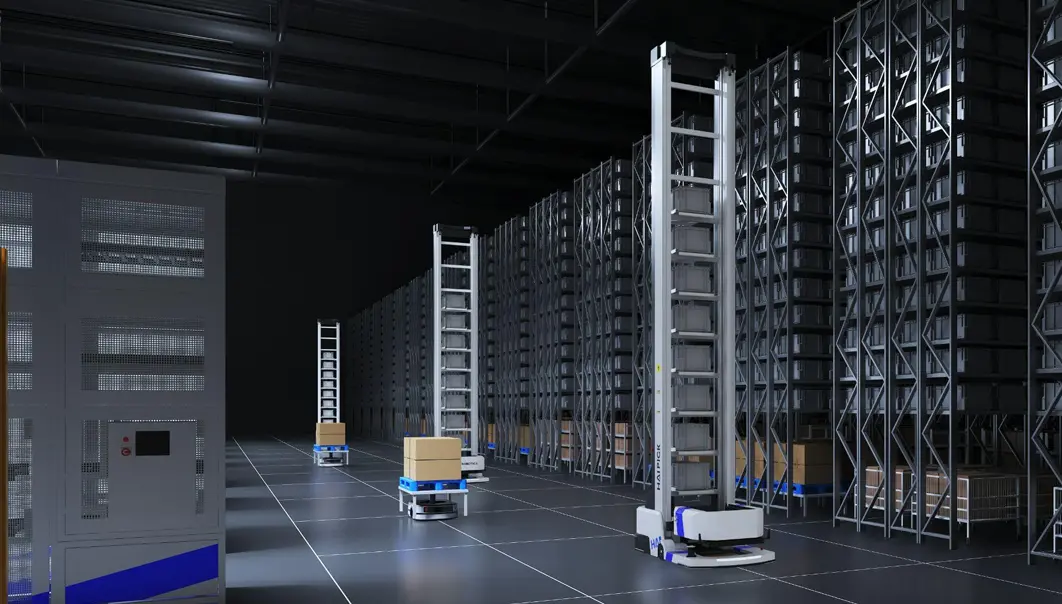
An ASRS usually includes storage racks and automated equipment that places goods into storage locations and retrieves them when needed. Because products vary in size and load type, rack configurations and handling equipment also vary.
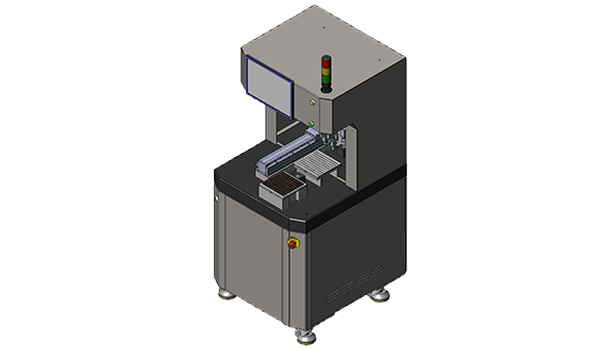
ASRS can generally be divided into unit load ASRS and mini load ASRS. In the industry, ASRS is also often classified by the handling technology used, such as stacker crane ASRS and shuttle based ASRS. Unit load ASRS and stacker crane ASRS are commonly used for larger loads, while mini load ASRS and shuttle based ASRS are more suitable for smaller items.
AGV and AMR
AGVs and AMRs are used to move goods automatically to designated locations. They come in many forms. For example, forklift AGVs and AMRs are often used to transport heavy loads, while stackers and shuttle based systems used in ASRS can also be considered part of the broader family of automated material handling equipment.
Sortation Systems
The role of a sortation system is to classify and route different goods. In warehouse automation, there are generally two common types of sortation systems.
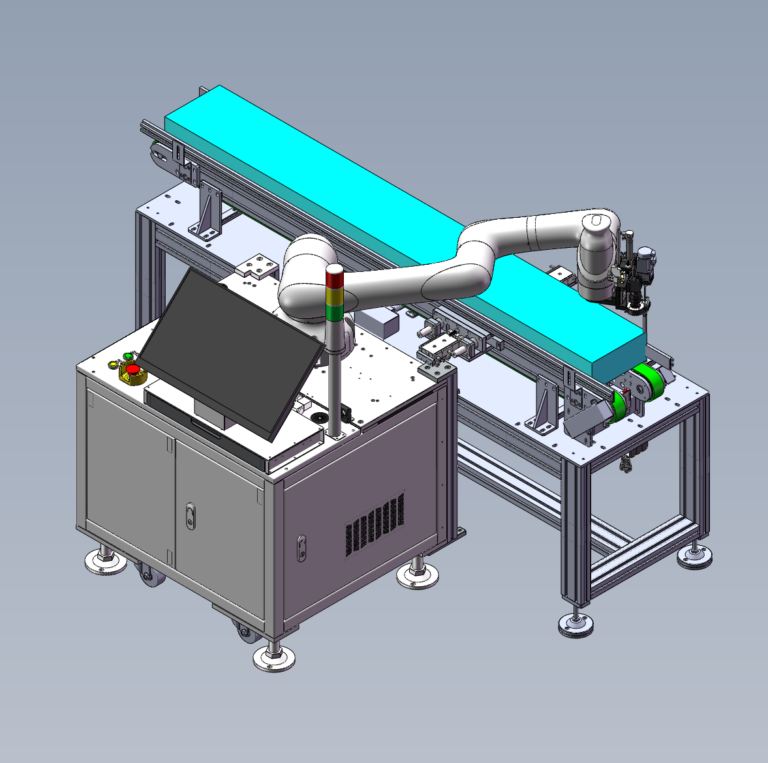
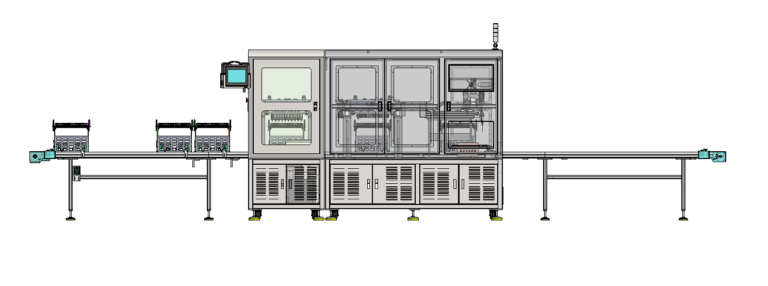
One is the traditional conveyor based sortation system. The other is a robotic arm based sortation system. Conveyor based sortation systems can handle high volumes at high speed, while robotic sortation systems are typically slower but offer greater flexibility.
Palletizing Systems
Palletizing systems are used for palletizing goods before packing and shipping, or for depalletizing goods before storage. A typical system consists of a robotic arm, a vision system, and a control system. It can scan barcodes on packages to identify products and then palletize or depalletize them according to preset requirements.
Software Systems
Warehouse automation software is generally made up of several core systems.
WMS
Order management: A warehouse management system can track and manage orders in real time, including order creation, allocation, scheduling, and status tracking, which helps improve delivery accuracy and reliability.
Inventory management: By collecting and analyzing inventory data, WMS supports more precise inventory control and optimization, helping reduce inventory costs and improve inventory turnover.
Information visibility: WMS improves visibility by collecting, analyzing, and sharing operational data in real time, making warehouse management more accurate and data driven.
Operational accuracy: Through real time monitoring and intelligent task coordination, WMS helps improve the accuracy and reliability of warehouse operations.
WCS
System integration: WCS must integrate seamlessly with WMS and a wide range of automated equipment, which places high demands on system compatibility.
Equipment control: WCS can connect with conveyors, sorters, robots, and other automated equipment to monitor operating status in real time and issue control commands.
Task scheduling: Using advanced logic and control strategies, WCS coordinates equipment operation, reduces idle time, and dynamically assigns tasks to maximize resource utilization.
Real time monitoring and control: WCS provides real time monitoring and can respond quickly to changes in the warehouse, helping maintain smooth and continuous operations.
RSS
Task scheduling: RSS uses advanced algorithms to assign tasks to the nearest available vehicle first, improving overall scheduling efficiency and maximizing resource utilization.
Path optimization: RSS plans efficient travel routes for forklifts and transport vehicles, reducing empty travel time and unnecessary distance.
Charging management: Based on real time battery status, RSS manages vehicle charging to help maintain healthy battery levels and ensure stable operation.
3D Digital Twin
Real time monitoring and feedback: Through data collected by IoT devices and sensors, a 3D digital twin can monitor the status of physical assets in real time, such as temperature, pressure, and speed, and display that information visually.
Predictive maintenance: By analyzing collected data and identifying abnormal patterns, a 3D digital twin can trigger early warnings, helping reduce downtime and maintenance costs.
How Warehouse Automation Works in Factories
Raw Material Receiving and Storage
A factory warehouse automation system can operate independently or work together with the production line. After raw materials arrive at the factory, a forklift AGV can automatically move them to the designated receiving area. After incoming inspection, AGVs transport the materials to the depalletizing workstation. The depalletizing system breaks down the incoming pallets, and the sortation system classifies the materials. Then conveyors or AGVs transport the goods to the ASRS, where they are stored in assigned rack locations.
Raw Material Supply to Production
When the factory needs materials for production, the ASRS retrieves the required inventory and AGVs transport it to the line side storage area near the production line. Picking robots then pick the required quantities and sort the materials as needed. Finally, dedicated AGVs deliver the materials to the corresponding processing stations.
Finished Goods and Semi Finished Goods Storage
Finished goods and semi finished goods produced on the line can also be transported by dedicated AGVs to the staging area for storage. After picking and sorting, AGVs move them into the ASRS for storage.
Finished Goods Shipping
For outbound operations, the ASRS retrieves the products from storage and AGVs transport them to the palletizing system for palletizing and packing. After that, forklift AGVs move the finished loads to the shipping area for dispatch.
From raw material receiving to finished goods shipping, the entire process, including storage, movement, processing data, and real time equipment status, can be recorded in the software system. This makes the full workflow traceable inside one system.
What Warehouse Processes Can Factories Automate
Robotlyne is a leading automation solution provider in China. Our warehouse automation solutions are based on a modular design approach. Material handling, palletizing, sortation, and ASRS can all be deployed independently in factory warehouses and production environments.
Explore our warehouse automation case studies to see how our solutions are applied in real factory operations.
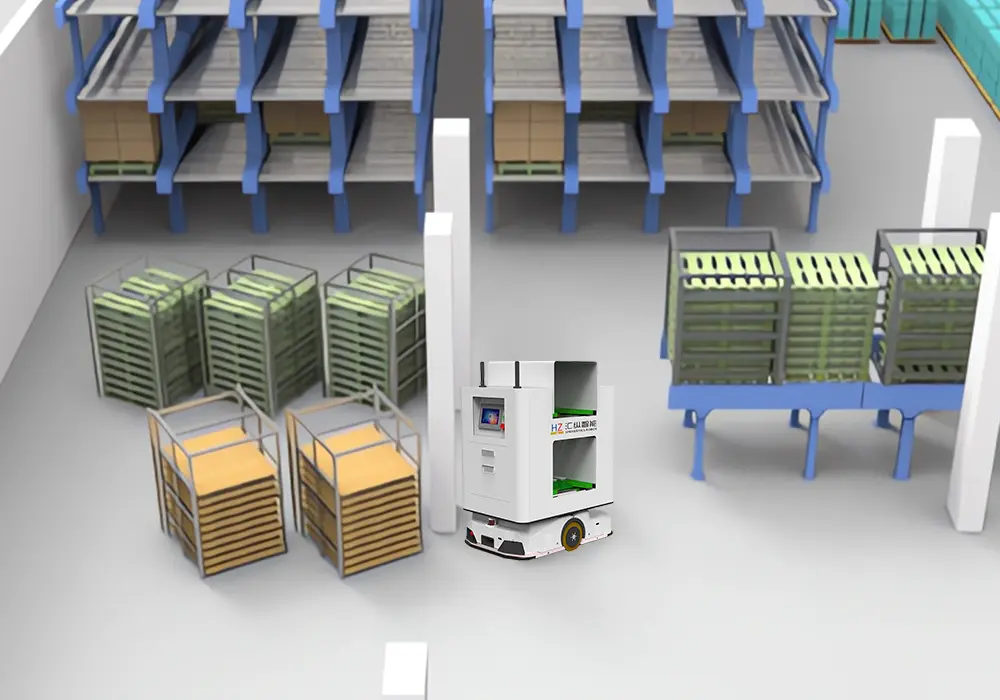
Automated Guided Vehicle Project for Smart Home Manufacturing
AGVs automated line side material supply and finished goods transport, helping a smart home factory improve flow and reduce manual handling.
Read more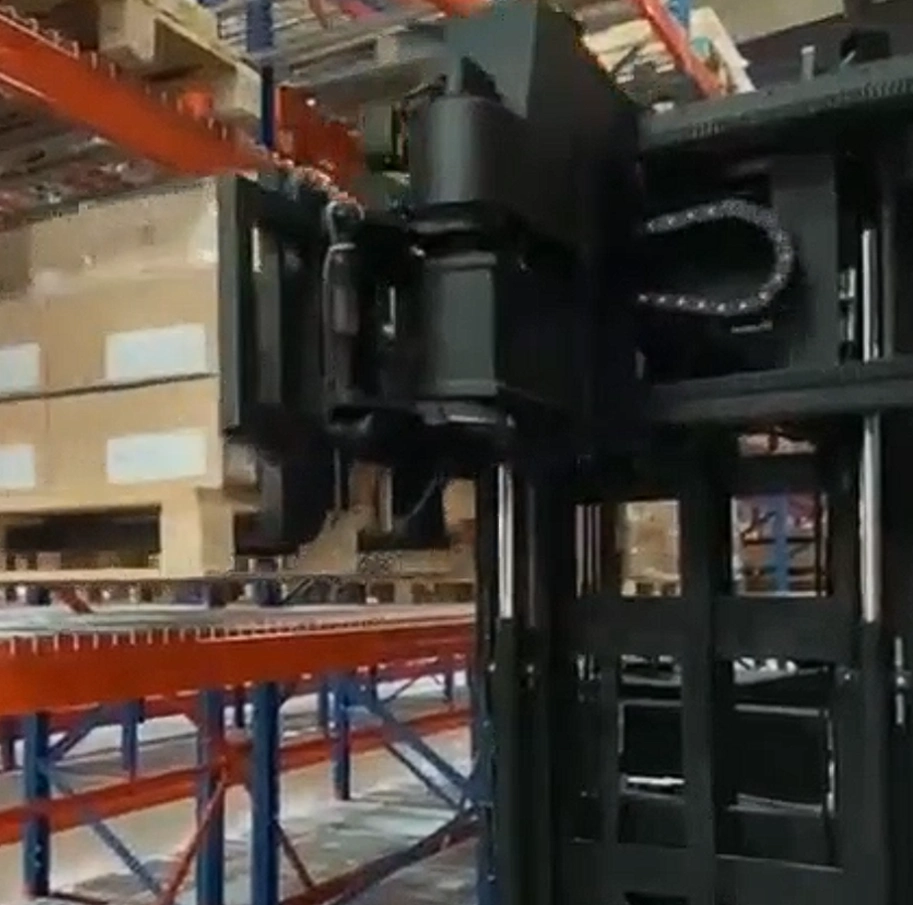
Unit Load ASRS for Finished Goods Pallet Handling
We built a unit load ASRS for a washing machine manufacturer, doubling storage capacity and improving warehouse handling safety.
Read more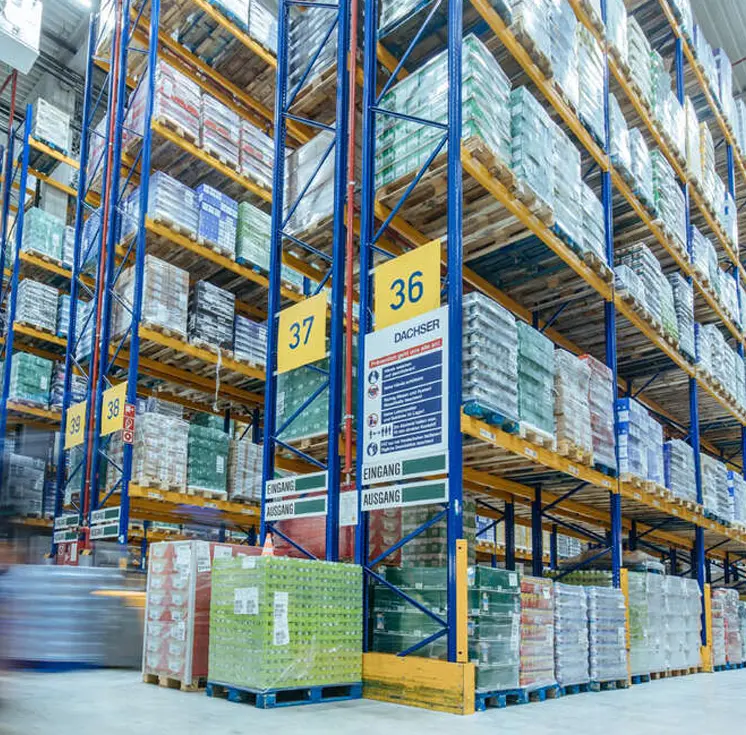
Automated Warehouse Upgrade with ASRS System
This ASRS system upgrades a factory warehouse to automate storage, improve inventory control, and reduce labor with a 3 year payback.
Read more