Project Background
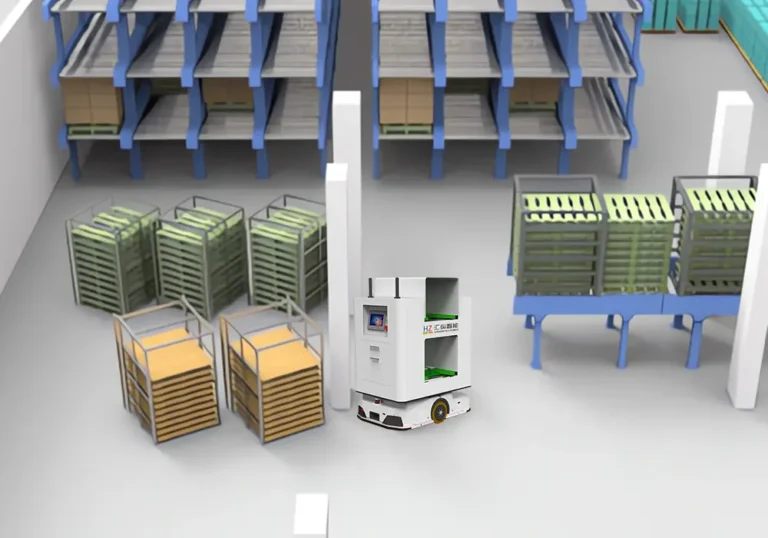
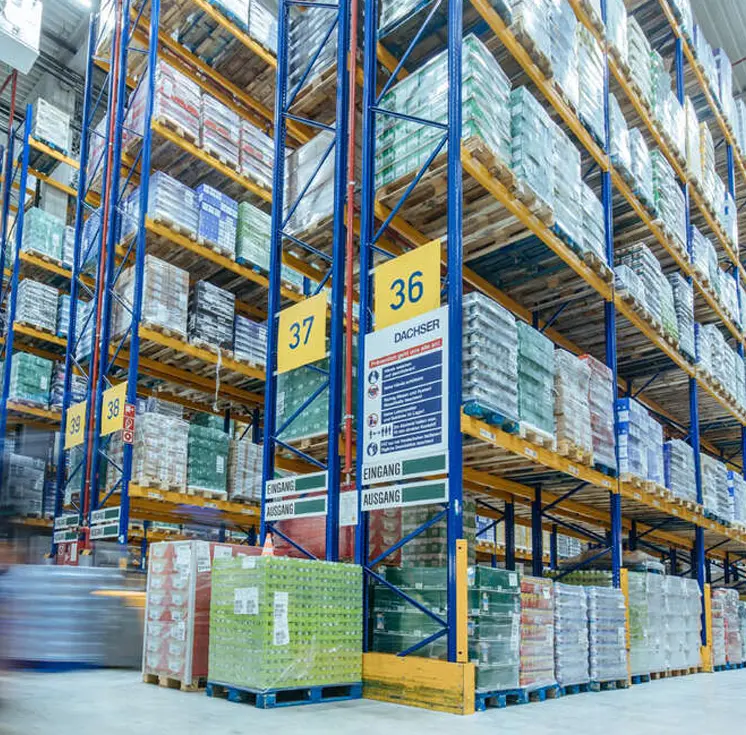
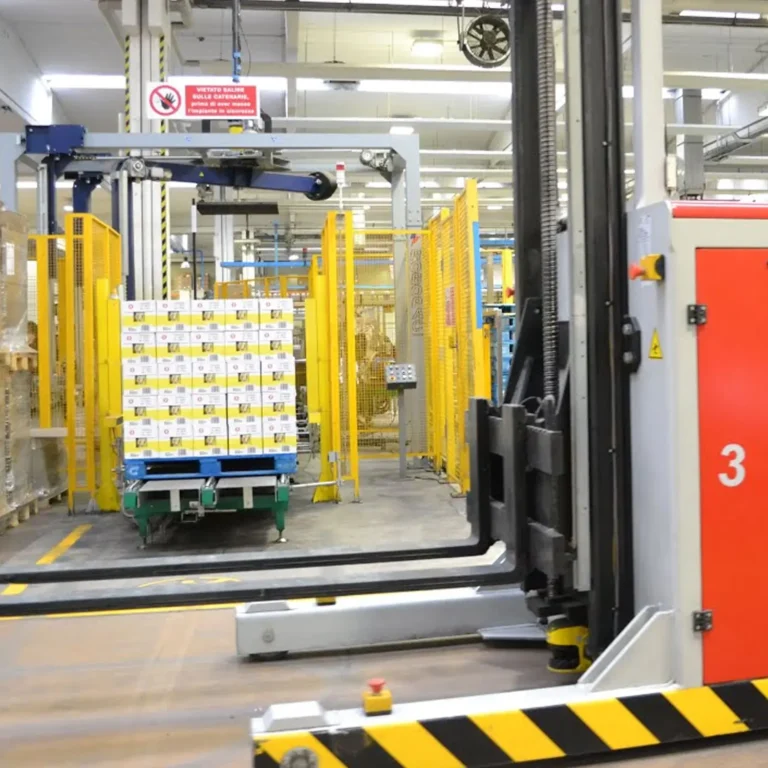
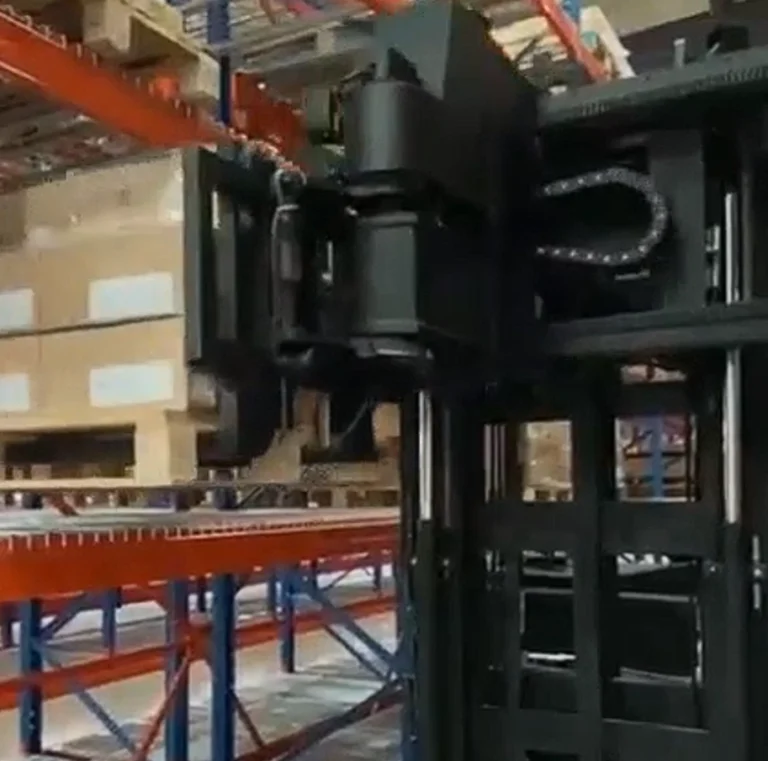
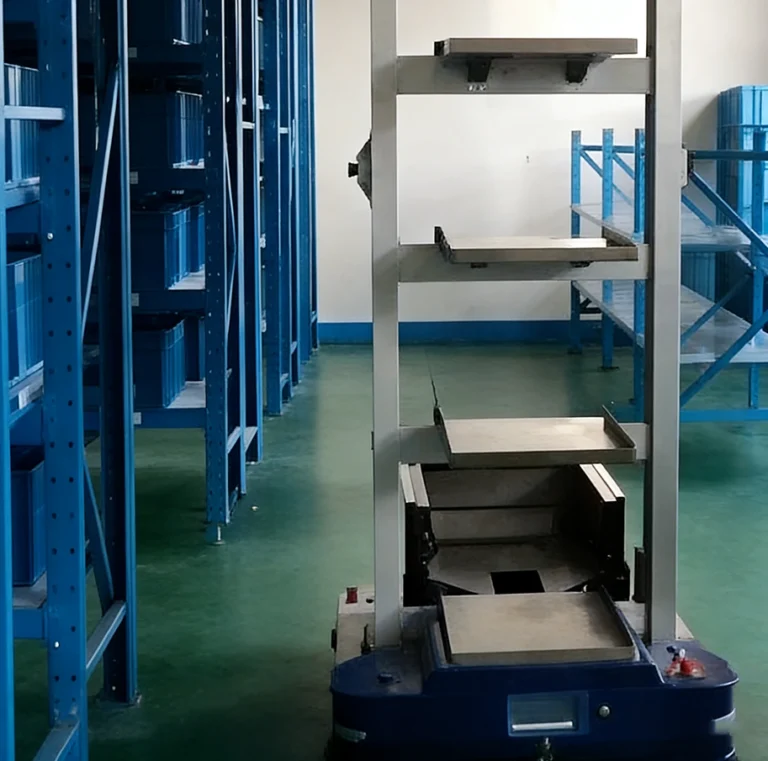
After a successful earlier collaboration on AGV material handling, the manufacturer planned to further upgrade its internal logistics system by modernizing its warehouse. In the previous project, materials, semi finished goods, and finished products were transported efficiently between production lines and a conventional warehouse. As production and logistics demands continued to grow, the limitations of the traditional warehouse became more apparent in terms of storage density, inventory visibility, and response efficiency. To support the next stage of smart factory development, the client decided to upgrade the warehouse into an ASRS system that could improve space utilization, automate storage and retrieval, and create a more efficient connection between production and warehousing.
Project Objectives
On Site Assessment and Data Analysis
Current Inventory Data Analysis
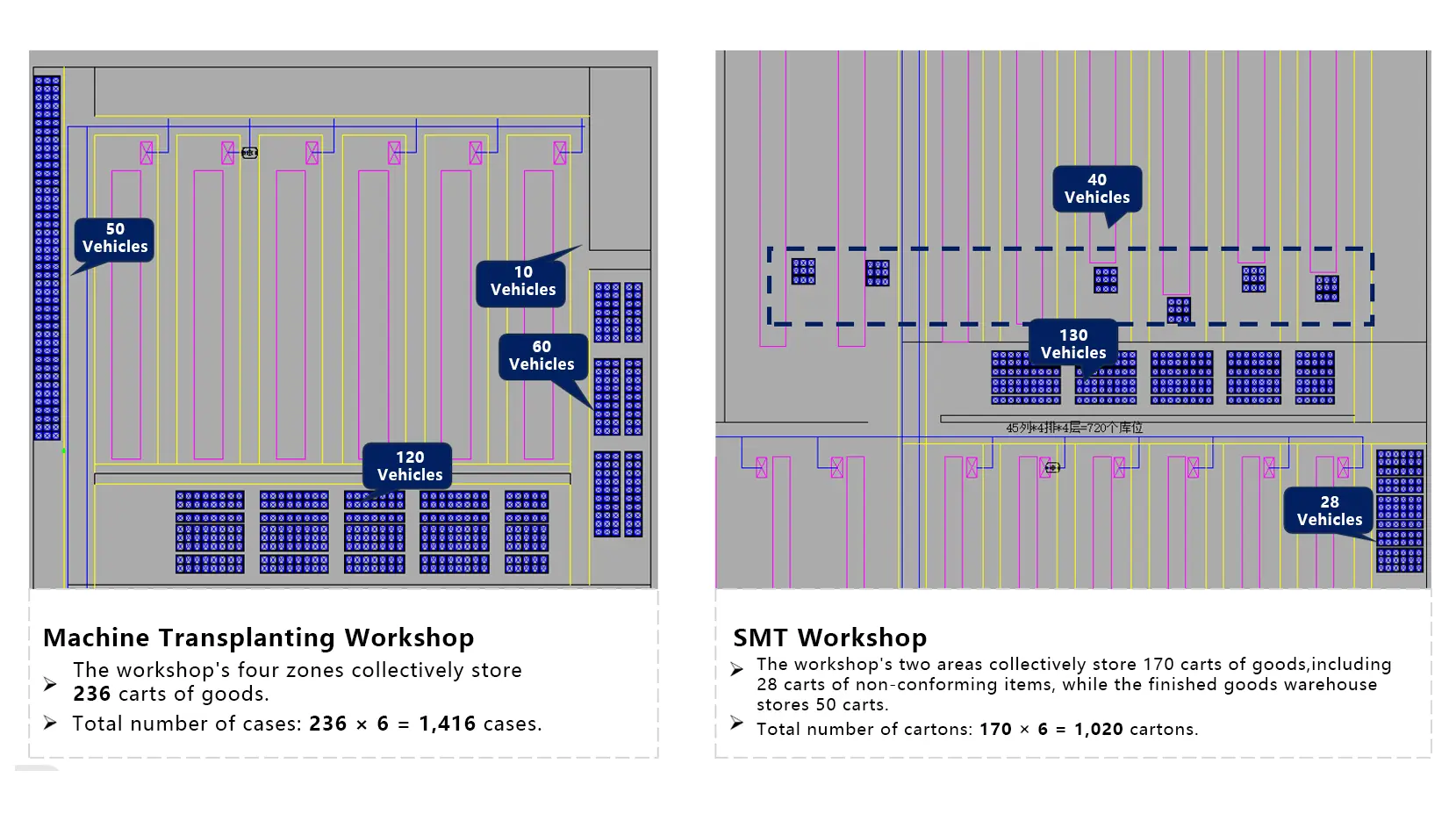
To support solution planning for the key areas of this project, we reviewed recent inventory volumes using data collected during an on site stock count on December 9. The detailed results are presented below.
Inventory Data Analysis
For the key areas covered in this project, we reviewed recent inventory volumes based on data provided by the client. The detailed findings are shown below.
| Area | Starting Point | Inventory (Carts) | Inventory (Boxes) | Remarks |
|---|---|---|---|---|
| SMT Buffer Storage | End of SMT Line | 238 | 1428 | Calculated at peak volume |
| Insertion Buffer Storage | End of Insertion Line | 240 | 1440 | Calculated at peak volume |
Note: The inventory volumes above were provided by the client and reflect recent stock levels. Based on on site discussions, these figures are above average inventory levels.
| Area | Inventory (Boxes) | Material Categories | Boxes per Category | Carts per Category | Remarks |
|---|---|---|---|---|---|
| SMT Buffer Storage | 1428 | 128 | 11.15 | 2 | Calculated based on average volume |
| Insertion Buffer Storage | 1440 | 128 | 11.25 | 2 | Calculated based on average volume |
Note: The flow data above was calculated based on the daily cart transport volume provided by the client and used to estimate the warehouse inbound and outbound throughput per hour. The follow up solution design was developed based on this flow rate.
Flow Data Analysis
For the key areas covered in this project, we reviewed the daily material handling volume based on data provided by the client. The detailed findings are shown below.
| Area | Starting Point | Destination | Flow Volume (Carts/Day) | Hourly Flow Volume (Carts/Hour) |
|---|---|---|---|---|
| SMT Buffer Storage | End of SMT Line | SMT Workshop Storage Area | 120 | 6 |
| Insertion Buffer Storage | End of Insertion Line | Insertion Workshop Storage Area | 105 | 5.25 |
Note: The flow data above reflects the same day cart transport volume provided by the client. Based on on site discussions, this flow volume is above the average level.
| Area | Flow Volume (Carts/Day) | Boxes per Cart | Total Boxes | Working Hours/Day | Inbound Throughput (Boxes/Hour) | Outbound Throughput (Boxes/Hour) | Total |
|---|---|---|---|---|---|---|---|
| SMT Buffer Storage | 120 | 6 | 720 | 20.66 | 34.85 | 34.85 | 70 |
| Insertion Buffer Storage | 105 | 6 | 630 | 20.66 | 30.5 | 30.5 | 61 |
Note: The flow data above was calculated based on the same day cart transport volume provided by the client and used to estimate hourly warehouse inbound and outbound throughput. The follow up solution design was developed based on this flow rate.
Solutions
Solution Approach
Based on the client’s storage requirements, material flow, and warehouse upgrade goals, we developed an ASRS solution concept focused on automated storage, stable inventory control, and efficient connection with production equipment. The main planning directions are as follows:
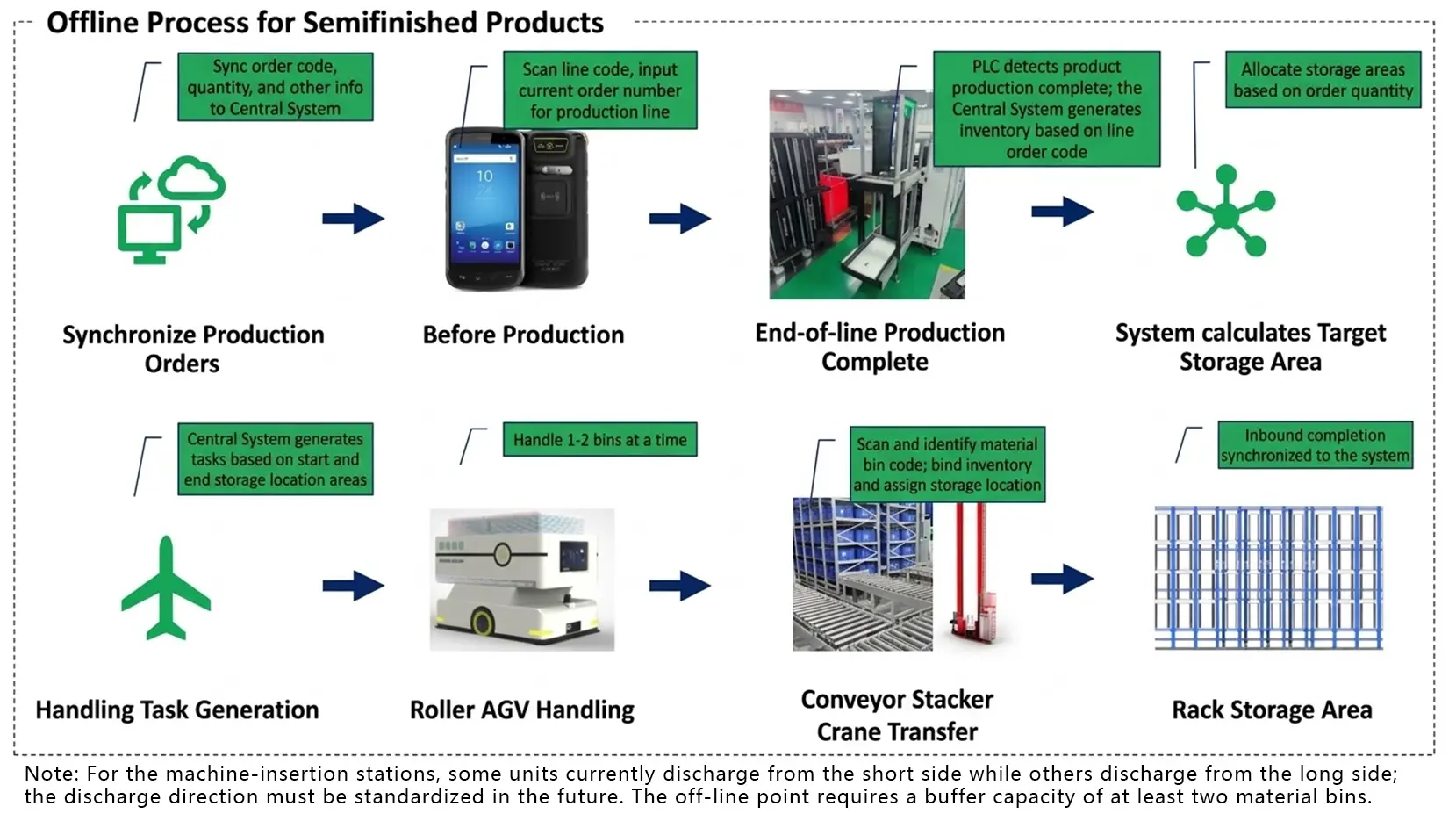
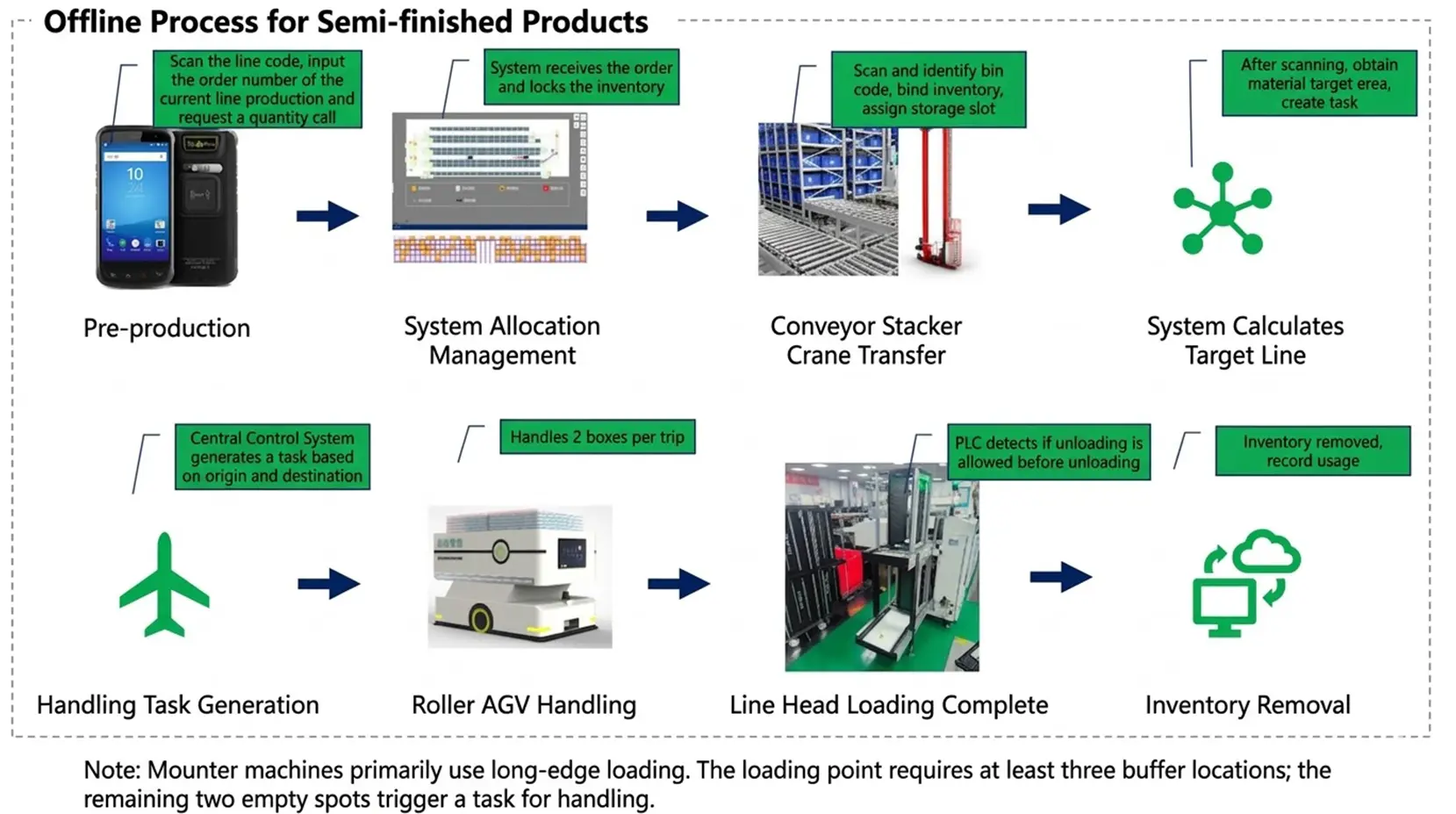
Semi Finished Goods Inbound Workflow
Semi Finished Goods Outbound Workflow
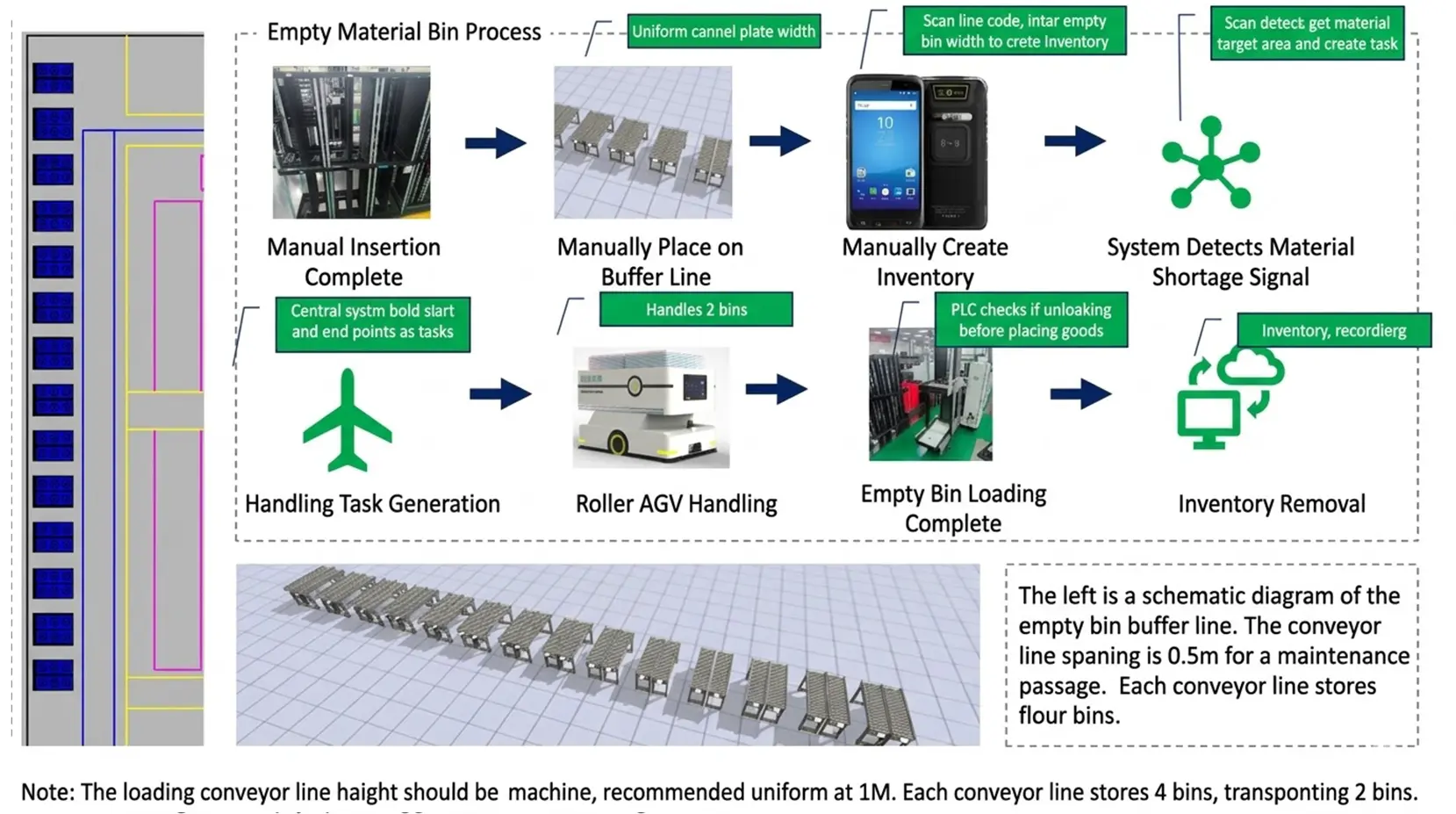
Empty Bin Line Feeding Workflow
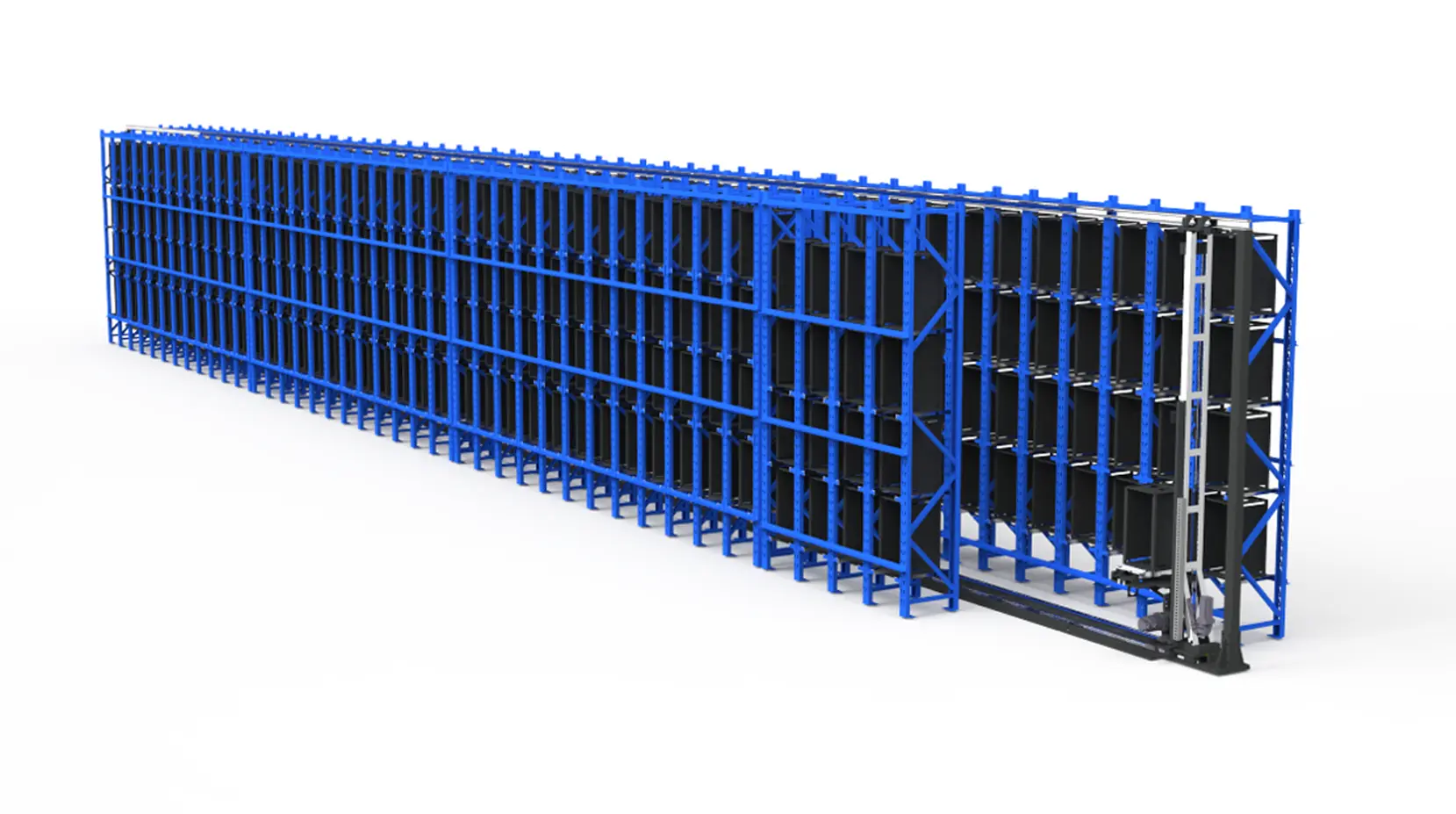
Stacker Crane Specifications
| Item | Parameter |
|---|---|
| Structure Type | Single column, floor supported rail guided type |
| Travel Speed | 1 m/s |
| Lift Speed | 0.5 m/s |
| Telescopic Stroke | ±900 mm |
| Max Payload | ≤25 kg |
| Lift Stroke | 400 to 2390 mm |
| Travel Stroke | 0 to 23950 mm |
| Travel Accuracy | ±5 mm |
| Lift Accuracy | ±3 mm |
| Power Supply | Safety conductor rail |
| Control Method | PLC control |
| Operating Mode | Single / Combined |
| Safety Features | Safety door, material detection, barcode verification |
| Communication Method | Industrial wireless network |
Project Scope and ROI Analysis
Project Scope
| Category | Name | Specification | Quantity | Unit |
|---|---|---|---|---|
| Hardware | 20 kg Stacker Crane | Gear and encoder positioning, 3 m height, including top rail, floor rail, electrical control, and wireless network communication | 5 | Units |
| Hardware | Tray Rack | Custom slot type rack, 30 kg load per storage location, high density storage | 2776 | Locations |
| Hardware | Conveyor | 2 m length, 0.5 m height | 10 | Sets |
| Hardware | QR Code Camera | Hikvision QR code camera | 10 | Units |
| Hardware | Conveyor Control Cabinet | Electrical control cabinet, PLC, control interface with the stacker crane PLC | 3 | Sets |
| Hardware | Inbound and Outbound Workstation | Vertical all in one workstation, i5 processor, 16 GB memory, 1 TB hard drive | 3 | Sets |
| Hardware | Safety Guardrail | Safety guardrail, safety lock, and access control door | 3 | Sets |
| Hardware | Lenovo SR570 Server | 4210R, 10 core, 64 GB memory, two 2 TB hard drives | 1 | Unit |
| Hardware | Cabinet | Muteng 22U server cabinet, 600 × 1000 × 1200, can be shared with AGV equipment | 1 | Unit |
| Hardware | PDA | Seuic, 4 + 64 GB, 5 inch | X | Units |
| Hardware | Wireless Network | Signal strength above minus 60 dBm, latency under 100 ms, 100 M bandwidth | 1 | Set |
| Software | WCS System | Stacker crane and conveyor line control system | 1 | Set |
| Software | WMS System | Communication with external equipment and storage location inventory management | 1 | Set |
| Service | On Site Implementation | Rack installation, storage location commissioning, inbound and outbound testing, and system integration commissioning | 1 | Man day |
ROI Analysis
By automating warehouse operations, this project is expected to reduce the need for 3 warehouse operators. Based on the overall project cost and the projected annual labor savings, the estimated payback period is 3 years.
Payback Period = Total Project Cost ÷ Total Annual Labor Cost Savings

Interested in our solutions?
- Contact our experts to learn more about Robotlyne’s warehouse solutions.
- See if your project is feasible fast. Get a clear scope, timeline, and Free ROI Analysis.