
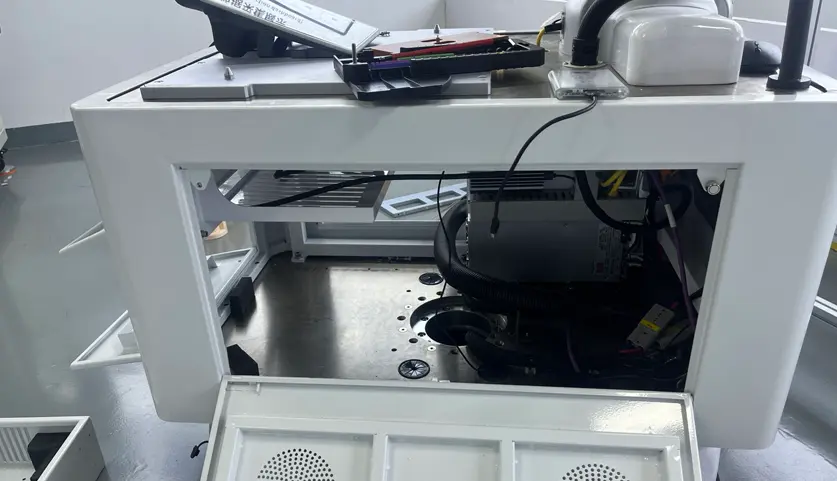
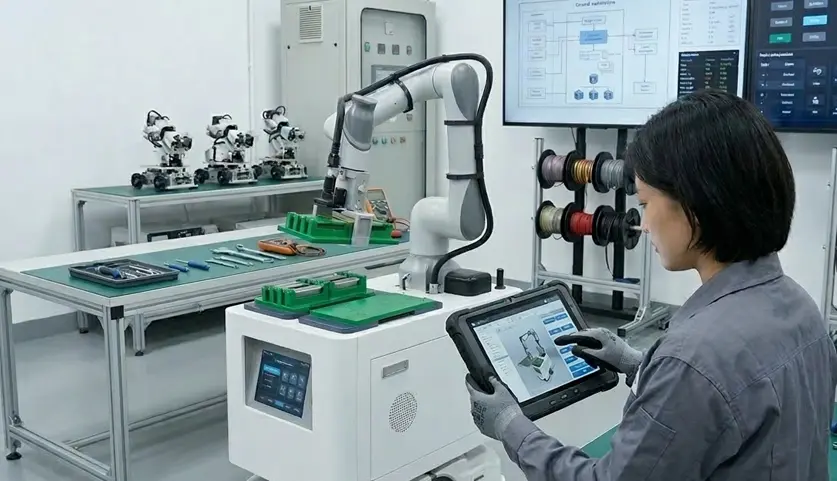
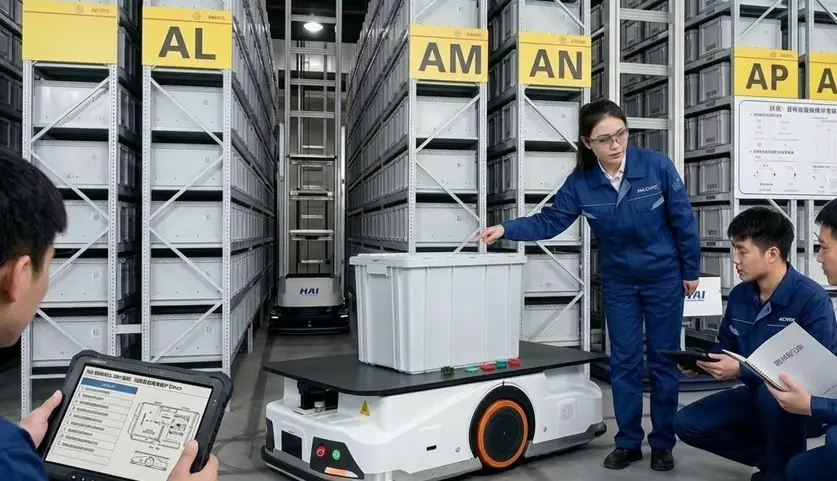
Warehouse Automation
Optimize your intralogistics with our high-performance automated equipment and proprietary intelligent software. By orchestrating complex storage, material handling, and sorting workflows, we transform labor-intensive manual processes into streamlined, data driven, fully automated warehouse operations.
Tailored Warehouse Automation Solutions for Your Operation
At Robotlyne, we visit your site to evaluate your operation and design a solution built around your needs. We don’t use a one size fits all approach. Instead, we combine technologies like palletizing , depalletizing, sorting, piece handling, picking systems, automated storage and ASRS, AGVs, and AMRs to build a custom system that improves your warehouse efficiency.
What We Automate in Your Warehouse
- AS / RS
- Material Handling
- Software & Data


AS / RS
We design AS RS systems around your operation to maximize vertical space and increase storage efficiency without growing your building.

Material Handling
Sortation
We build custom sortation solutions around your order flow and routing requirements to improve accuracy, reduce manual touch points, and maintain consistent throughput.
Palletizing & DePalletizing
We provide palletizing and depalletizing systems designed for flexible operation, so your team can adjust stacking settings to match different products and workflow needs.
AGV & AMR
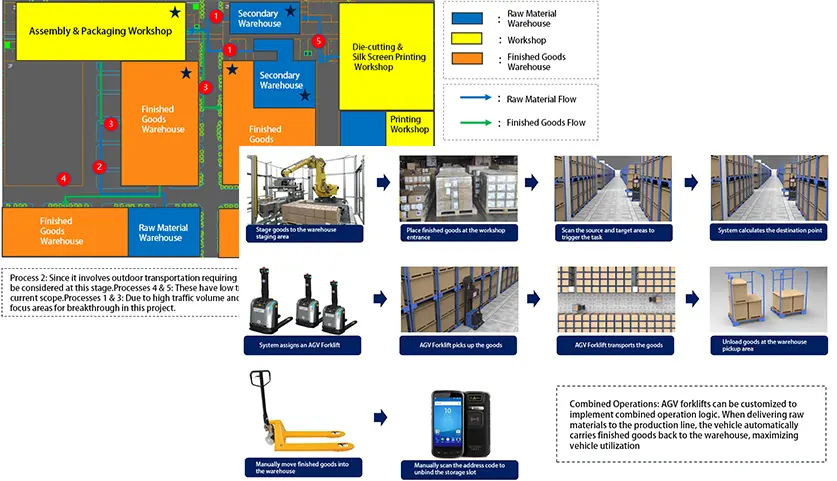
We deploy AGV and AMR systems tailored to your site layout and traffic rules to streamline material movement, reduce travel time, and improve overall warehouse efficiency.


Software
We improve customizability with a unified software platform, LCCS (Logistics Central Control System). LCCS turns orders into executable tasks, coordinates robots and multi vendor logistics equipment in real time, and optimizes task flow to improve throughput, space utilization, and inventory turns across both shop floor and warehouse operations.
Our LCCS platform includes:
- WMS
- WES
- RSS
- 3D digital twin
WES
Our customizable WES combines WMS and RCS in one platform, helping improve data stability while delivering powerful functions and a more user friendly operating experience. Modular custom code can also be added to match your workflow requirements.
3D Digital Twin System
We build 3D digital twin systems that give you a clearer view of warehouse operations, helping improve visibility, planning, and overall system efficiency.

How We Implement Warehouse Automation

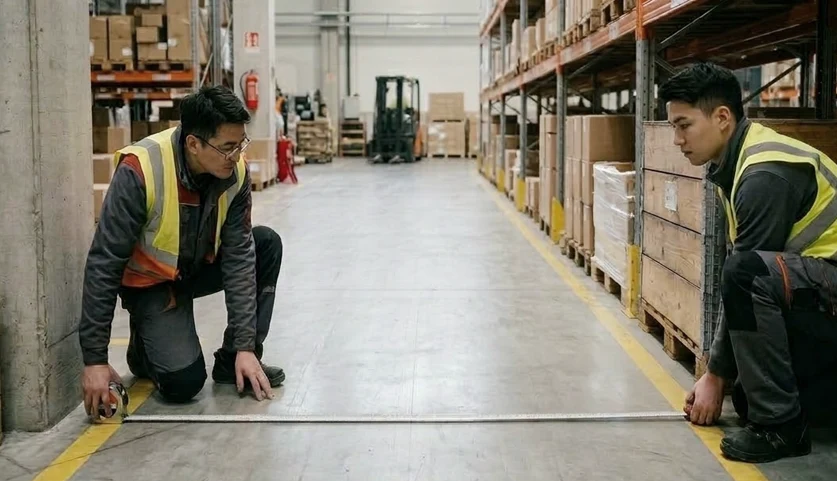
Site Assessment and Requirements Review
Before we design the system, we assess your site to confirm it can support safe, stable warehouse automation.
What we evaluate on site:
Operating environment
We evaluate whether the system will operate indoors or outdoors and whether dust or other site conditions are present, so we can confirm feasibility or adjust the solution to fit the environment.
Site layout and zones
We assess aisle width, floor flatness, space utilization, and coordination points such as elevators to confirm the site can support AGV and AMR operation efficiently and make the best use of available space.
WiFi network readiness
We assess whether the WiFi network provides full coverage across the work area and sufficient stability to support reliable communication between AGVs, robots, and control systems.
Load and carrier details
We assess the size, weight, and handling characteristics of the load, as well as the type and dimensions of pallets, bins, carts, or other carriers, to ensure the right automation approach.
Product data
We analyze SKU types, product specifications, and inbound and outbound volumes to understand material flow patterns and determine the required system capacity.
Building constraints (for multi story sites)
We assess floor height and slab thickness to confirm the allowable ASRS height, floor load capacity, and whether the structure can support AGVs and loaded materials safely.
Step 1 outcomes and requirements:

Solution Development
Your solution may include:
What you will receive:

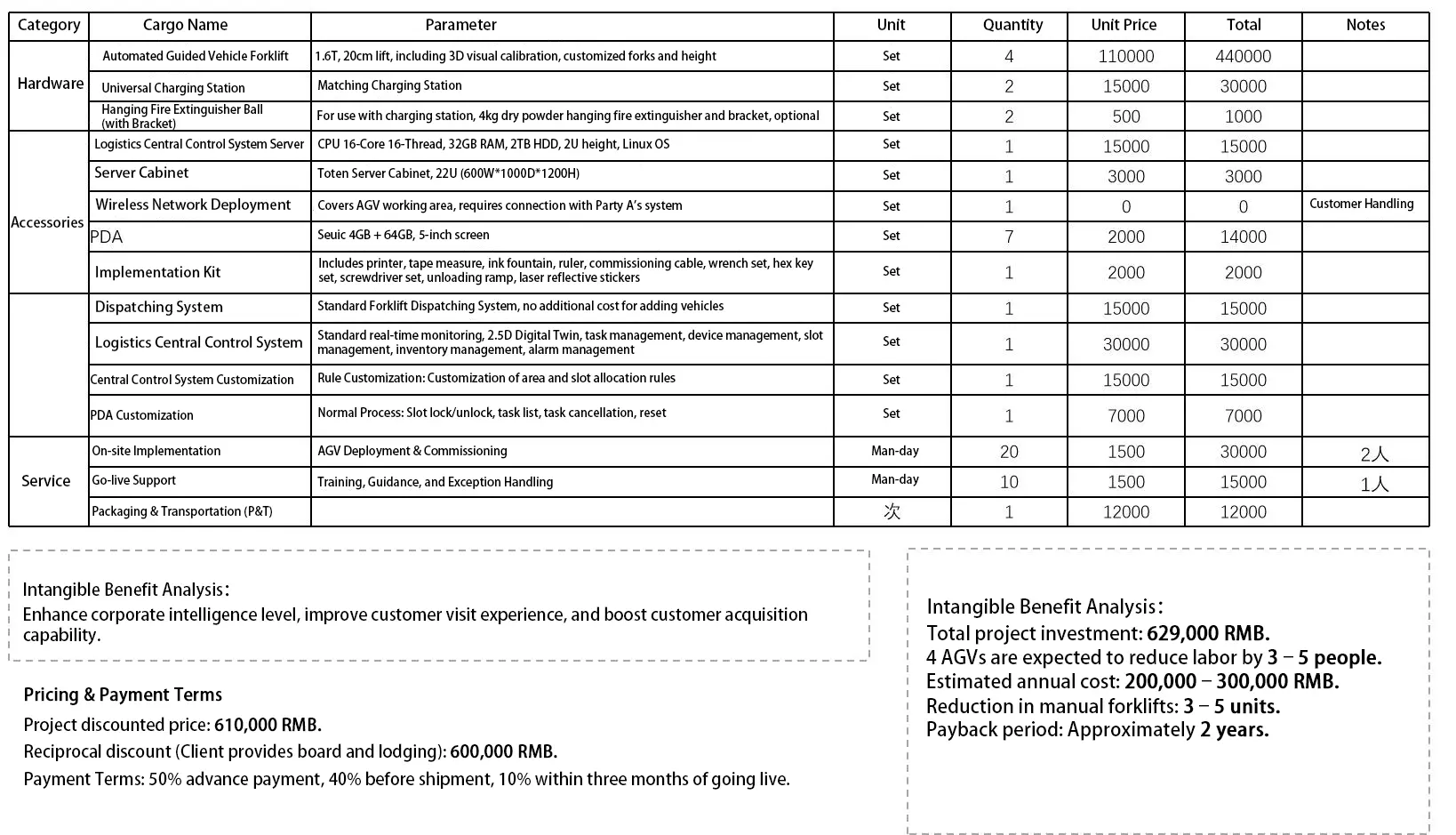
ROI Analysis
We estimate payback time by comparing total project cost with expected savings after go live.
Labor savings
Accuracy savings

Engineering, Build, and Validation
After approval, we engineer the system around your site and workflows, covering:
Mechanical design
Electrical design
Software development
Commissioning

On Site Installation, Commissioning, and SAT
Our team installs the equipment on site, completes wiring and network integration, and commissions the system under real operating conditions. We then execute site acceptance testing to confirm performance against agreed metrics.

Training, Ramp Up, Acceptance, and Ongoing Support
After go live, we train your team, provide on site ramp up support:
Training
Ramp up (1 to 3 months)
Acceptance and support
How We Implement Warehouse Automation
Step 1: Site Assessment and Requirements Review
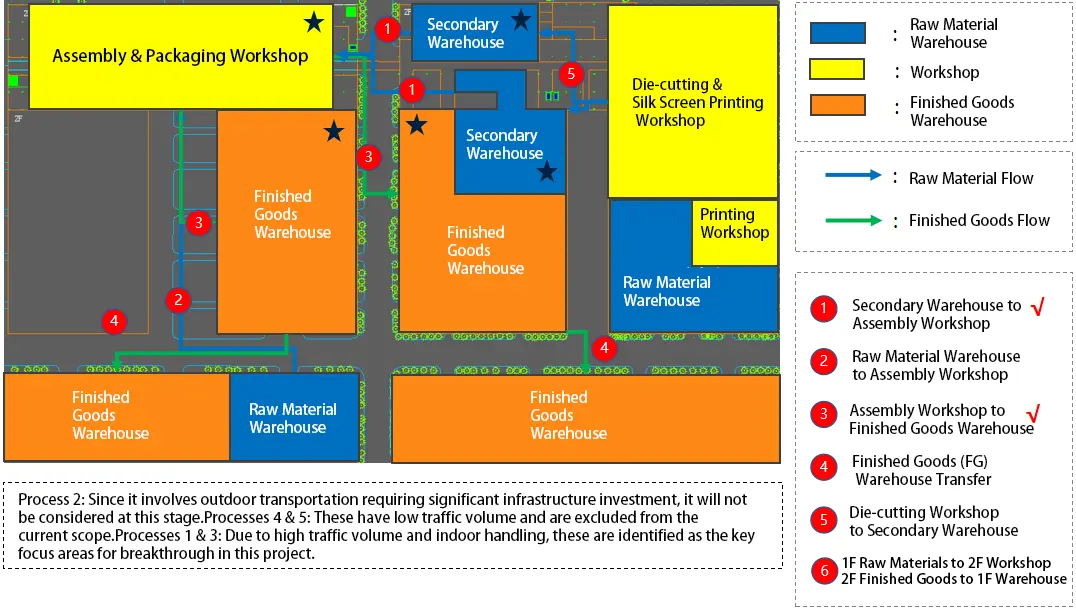
Before we design the system, we assess your site to confirm it can support safe, stable warehouse automation.
What we evaluate on site:
Operating environment
Site layout and zones
Network readiness
Load and carrier details
Product data
Building constraints (for multi story sites)
Safety and traffic
Deliverables you receive after Step 1:
- A site readiness summary with risks and required preparations.
- A verified set of handling and traffic assumptions for solution design.
Step 3: ROI Analysis
We estimate payback time by comparing total project cost with expected savings after go live.
Labor savings: headcount, overtime, shift efficiency.
Accuracy savings: fewer mis picks, returns, rework, inventory variance.
Throughput gains: higher output, fewer touches, shorter cycle time.
Step 2: Solution Development
Based on the site assessment, we develop a tailored automation solution and define the layout, equipment scope, and control approach.
What we design in this step:
- Process and flow design
- Layout and equipment sizing
- Control and integration plan
Your solution may include:
- AGV and AMR system integration
- Automated palletizing integration
- Sortation system integration
What you will receive:
- Solution proposal.
- Project BOM.
- Quotation.
Step 4: Engineering, Build, and Validation
After approval, we engineer the system around your site and workflows, covering mechanical design, electrical design, and software development. Once built, we complete standalone commissioning and system integration validation to confirm readiness before shipment.
Mechanical design: structure and module design tailored to your site conditions.
Electrical design: wiring, control panels, and safety circuits aligned with your facility standards.
Software development: control logic and workflows customized to your operating rules.
Commissioning: standalone commissioning for each module, then full system integration validation for end to end operation.
Step 5: On Site Installation, Commissioning, and SAT
Our team installs the equipment on site, completes wiring and network integration, and commissions the system under real operating conditions. We then execute site acceptance testing to confirm performance against agreed metrics.
Step 6: Training, Ramp Up, Acceptance, and Ongoing Support
After go live, we train your team, provide 1 to 3 months of on site ramp up support, and finalize acceptance once the system runs stably.
Training: operators and maintenance for each machine and the software
Ramp up (1 to 3 months): on site support, tuning, and issue closure
Optimization: iterative updates to routing and task rules to improve stability and throughput
Acceptance and support: final acceptance after stable operation, plus remote diagnostics, spare parts planning, and preventive maintenance
How We Implement Warehouse Automation
Step 1: Site Assessment and Requirements Review
Before we design the system, we assess your site to confirm it can support safe, stable warehouse automation.
What we evaluate on site:
Operating environment
Site layout and zones
Network readiness
Load and carrier details
Product data
Building constraints (for multi story sites)
Safety and traffic
Deliverables you receive after Step 1:
- A site readiness summary with risks and required preparations.
- A verified set of handling and traffic assumptions for solution design.


Step 2: Solution Development
Based on the site assessment, we develop a tailored automation solution and define the layout, equipment scope, and control approach.
What we design in this step:
- Process and flow design
- Layout and equipment sizing
- Control and integration plan
Your solution may include:
- AGV and AMR system integration
- Automated palletizing integration
- Sortation system integration
What you will receive:
- Solution proposal.
- Project BOM.
- Quotation.


Step 3: ROI Analysis
We estimate payback time by comparing total project cost with expected savings after go live.
Labor savings: headcount, overtime, shift efficiency.
Accuracy savings: fewer mis picks, returns, rework, inventory variance.
Throughput gains: higher output, fewer touches, shorter cycle time.

Step 4: Engineering, Build, and Validation
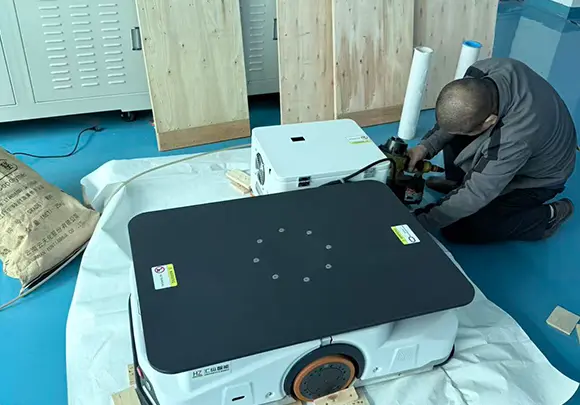
After approval, we engineer the system around your site and workflows, covering mechanical design, electrical design, and software development. Once built, we complete standalone commissioning and system integration validation to confirm readiness before shipment.
Mechanical design: structure and module design tailored to your site conditions.
Electrical design: wiring, control panels, and safety circuits aligned with your facility standards.
Software development: control logic and workflows customized to your operating rules.
Commissioning: standalone commissioning for each module, then full system integration validation for end to end operation.

Step 5: On Site Installation, Commissioning, and SAT
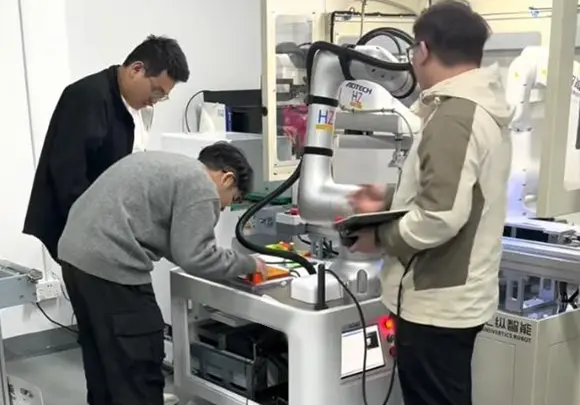
Our team installs the equipment on site, completes wiring and network integration, and commissions the system under real operating conditions. We then execute site acceptance testing to confirm performance against agreed metrics.

Step 6: Training, Ramp Up, Acceptance, and Ongoing Support
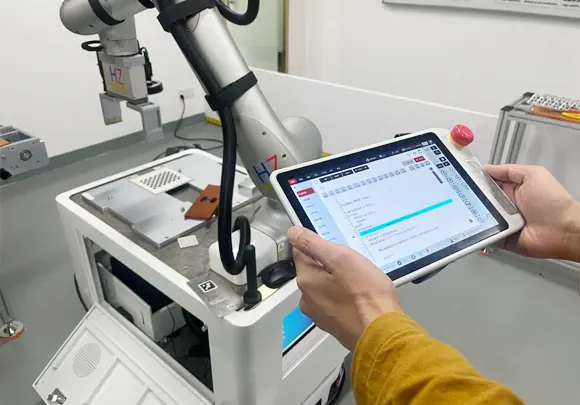
After go live, we train your team, provide 1 to 3 months of on site ramp up support, and finalize acceptance once the system runs stably.
Training: operators and maintenance for each machine and the software
Ramp up (1 to 3 months): on site support, tuning, and issue closure
Optimization: iterative updates to routing and task rules to improve stability and throughput
Acceptance and support: final acceptance after stable operation, plus remote diagnostics, spare parts planning, and preventive maintenance

Step 1: Site Assessment and Requirements Review
Before we design the system, we validate whether your site can support safe, stable automation. Our engineers walk the facility with your team to confirm operating conditions, connectivity, and handling constraints, then document the baseline data we need for layout planning and equipment selection.
What we evaluate on site
Operating environment: indoor or outdoor, temperature and humidity considerations, dust level, and any contamination risks that could affect sensors, drives, or vision systems.
Site layout and zones: one area or multiple areas, distance between zones, and whether zones are connected by corridors or require cross building transport.
Network readiness: WiFi coverage and dead zones, signal stability in key paths, and feasibility of adding access points if needed.
Load and carrier details: current carts, pallets, racks, bins, totes, or other carriers, plus how they are transferred and staged today.
Product data: typical and maximum dimensions, weight, packaging type, orientation constraints, and any fragile or special handling requirements.
Building constraints (for multi story sites): clear height, door and aisle dimensions, elevator constraints if applicable, and floor slab thickness or load capacity for equipment and traffic.
Safety and traffic: pedestrian lanes, forklift routes, crossings, blind corners, and restricted areas that impact routing and access control.
Deliverables you receive after Step 1
A site readiness summary with risks and required preparations.
A verified set of handling and traffic assumptions for solution design.


Step 2: Solution Development
Based on the site assessment, We define how materials should flow, what equipment is needed, where each system will be installed, and how everything will be controlled and integrated with your current operation.
What we design in this step
Process and flow design: inbound, storage, picking, and outbound flow paths, plus staging and buffer strategy.
Layout and equipment sizing: route layout, docking and staging positions, fleet sizing, and throughput capacity assumptions.
Control and integration plan: interfaces with LCCS, ERP.
Your solution may include
AGV and AMR system integration: route planning, charging strategy, docking stations, fleet coordination, and software integration.
Automated palletizing integration: end of line palletizing cell, infeed and outfeed, pallet exchange, and guarding layout.
Sortation system integration: scan and divert logic, lane allocation, conveyor and sorter layout, and flow balancing.
What you will receive
Solution proposal.
Project BOM.
Quotation.


Step 3: ROI Analysis
Using the approved scope and quotation, we model the total cost and expected savings after implementation. We estimate payback time by quantifying labor savings and cost reductions driven by higher accuracy and more stable throughput.
Labor savings: headcount reduction or redeployment, overtime reduction, and shift efficiency improvements.
Accuracy savings: fewer mis picks and mis shipments, reduced returns and rework, and lower inventory discrepancy costs.
Throughput gains: higher output per hour, fewer touch points, and shorter order cycle time.

Step 4: Engineering, Build, and Validation
After the solution is approved, we tailor the system to your operation through detailed mechanical design, electrical design, and software development. Once the equipment is built, we complete standalone commissioning and full system integration testing to confirm the solution meets the agreed requirements before shipment.
Mechanical engineering: structure and module design customized to your site conditions.
Electrical engineering: wiring, panel design, and safety circuits based on your facility requirements.
Software development: control logic and workflows tailored to your material flow and operating rules.
Commissioning and integration: standalone commissioning for each module, followed by full system integration testing to verify end to end operation and exception handling.

Step 5: On Site Installation, Commissioning, and SAT
Our team installs the equipment on site, completes wiring and network integration, and commissions the system under real operating conditions. We then execute site acceptance testing to confirm performance against agreed metrics.

Step 6: Training, Ramp Up, Acceptance, and Ongoing Support
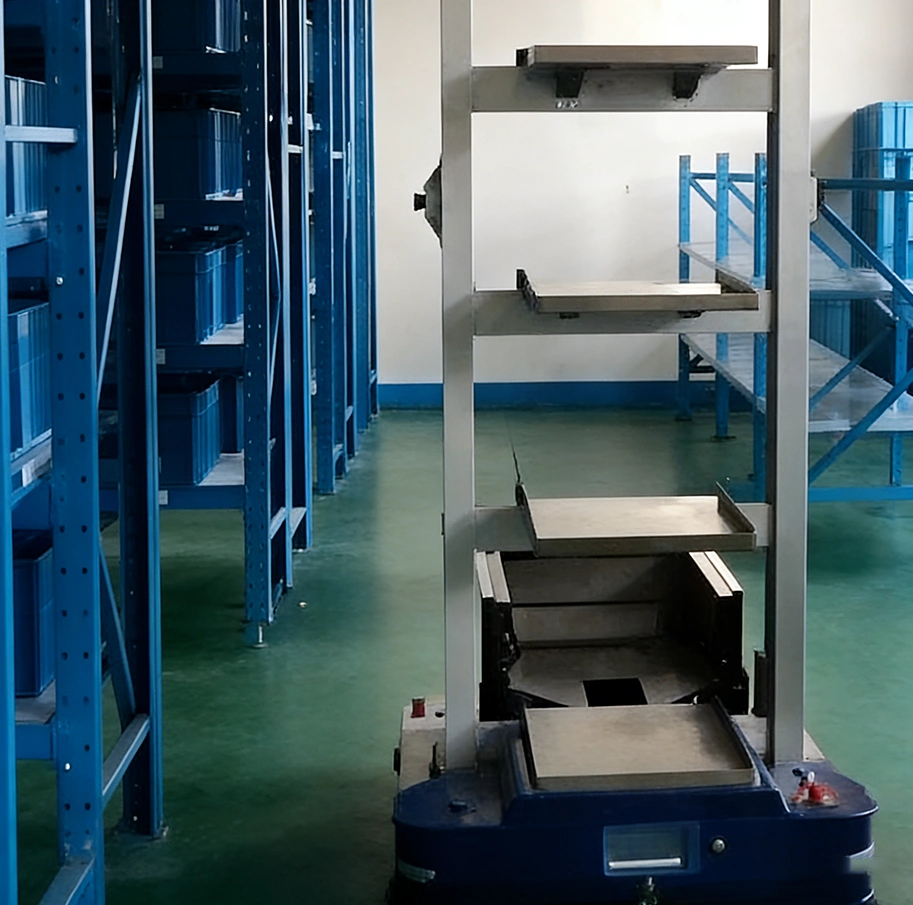
After go live, we train your team and stay on site to stabilize operations and continuously optimize performance until the system reaches its best results. During a 1 to 3 month ramp up period, we support daily production, then complete final acceptance once the project runs stably.
Training: operator and maintenance training for each machine and the software, including standard workflows and troubleshooting.
Ramp up support (1 to 3 months): on site production support, parameter tuning, and issue closure to help your team take full control.
Optimization: iterative improvements to routing, task rules, and exception handling to maximize throughput and stability.
Final acceptance and support: project acceptance after stable operation, followed by ongoing after sales service such as remote diagnostics, spare parts planning, and preventive maintenance.

Automation Projects We’ve Delivered
Mini Load Automated Storage and Retrieval System for Bin Storage
Mini load automated storage and retrieval system for electronics assembly, improving parts supply, inventory control, and line efficiency.
Read moreWarehouse Automation Solutions for an Electronics Manufacturer
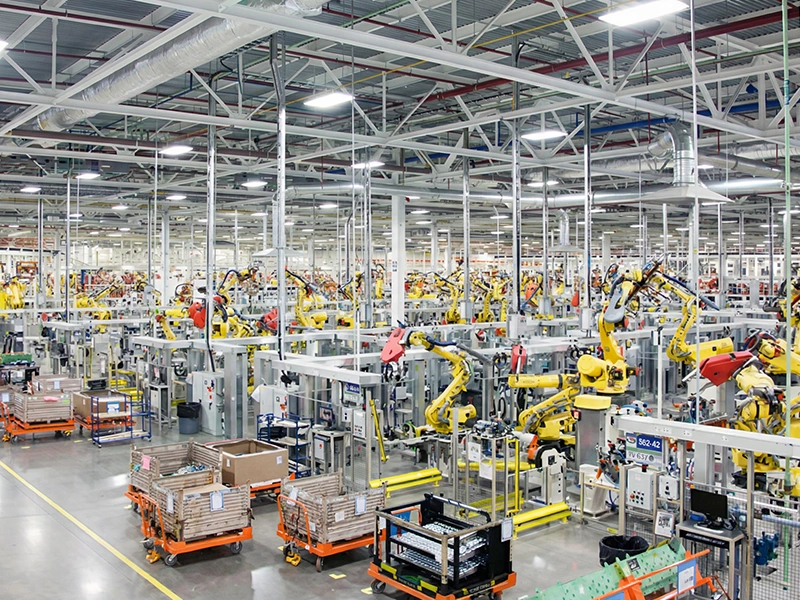
Smart Factory Transition with Integrated Automated Warehousing: 1 Year ROI and 20 Person Labor Optimization
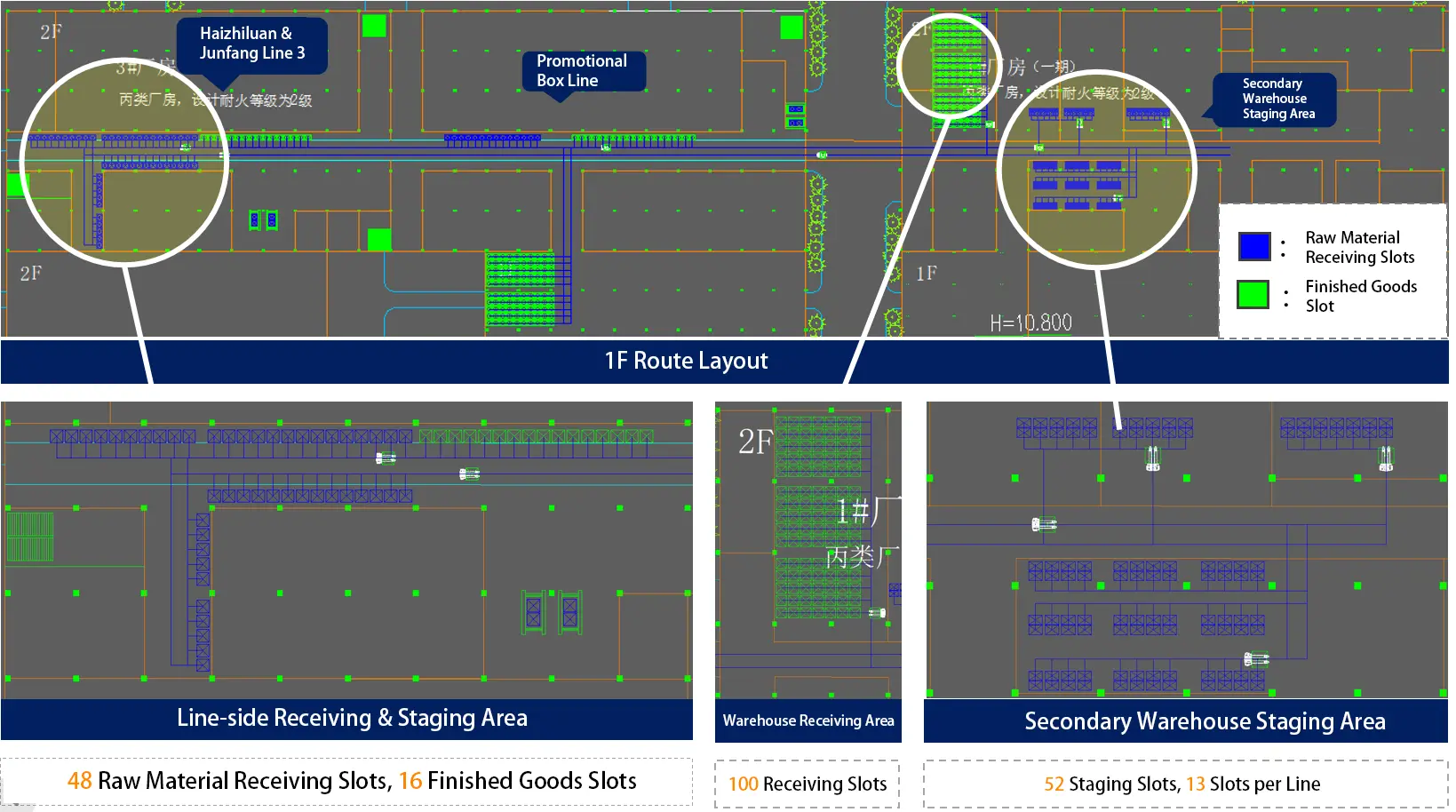
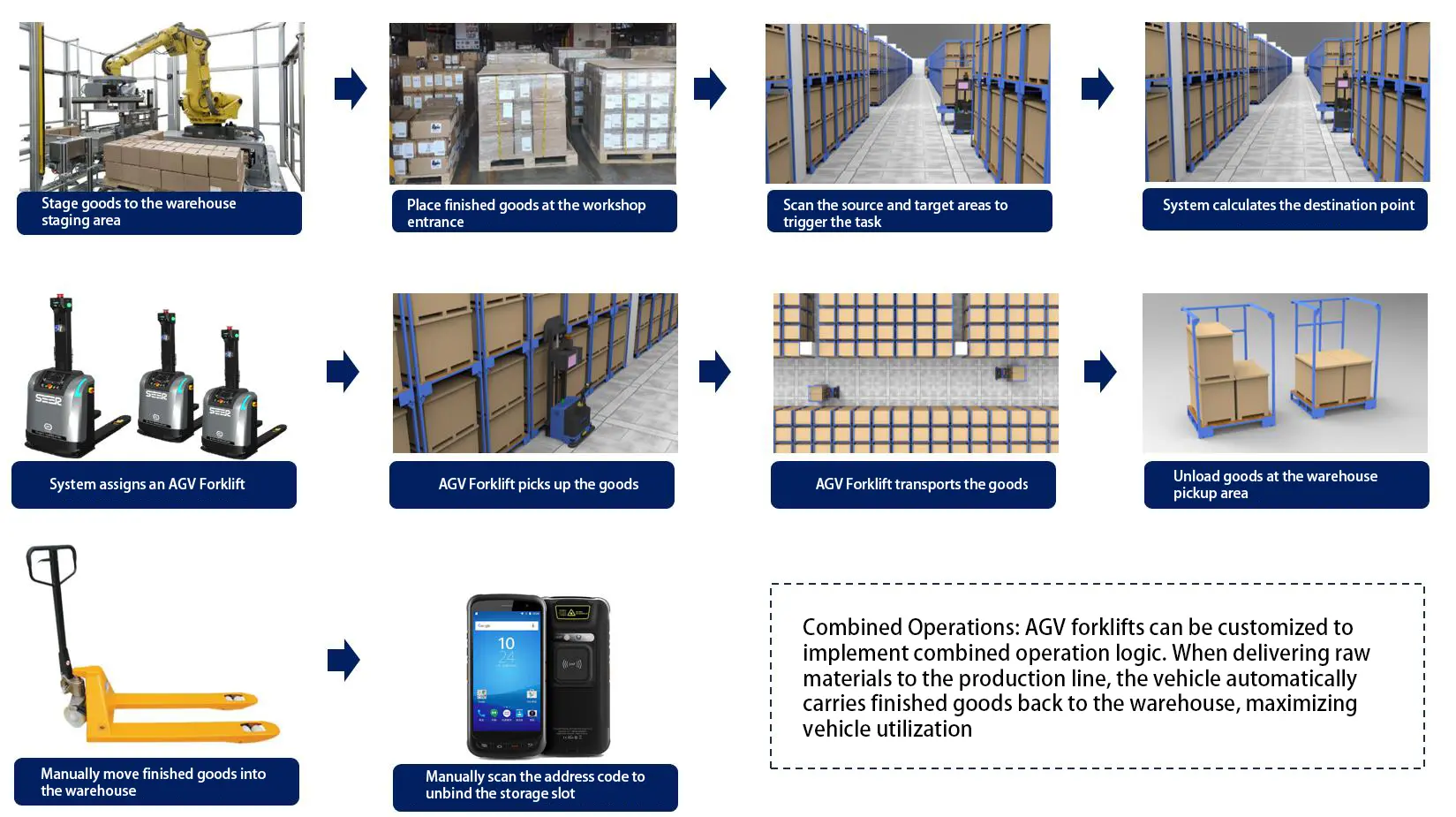
Read moreWorkshop Intralogistics Automation
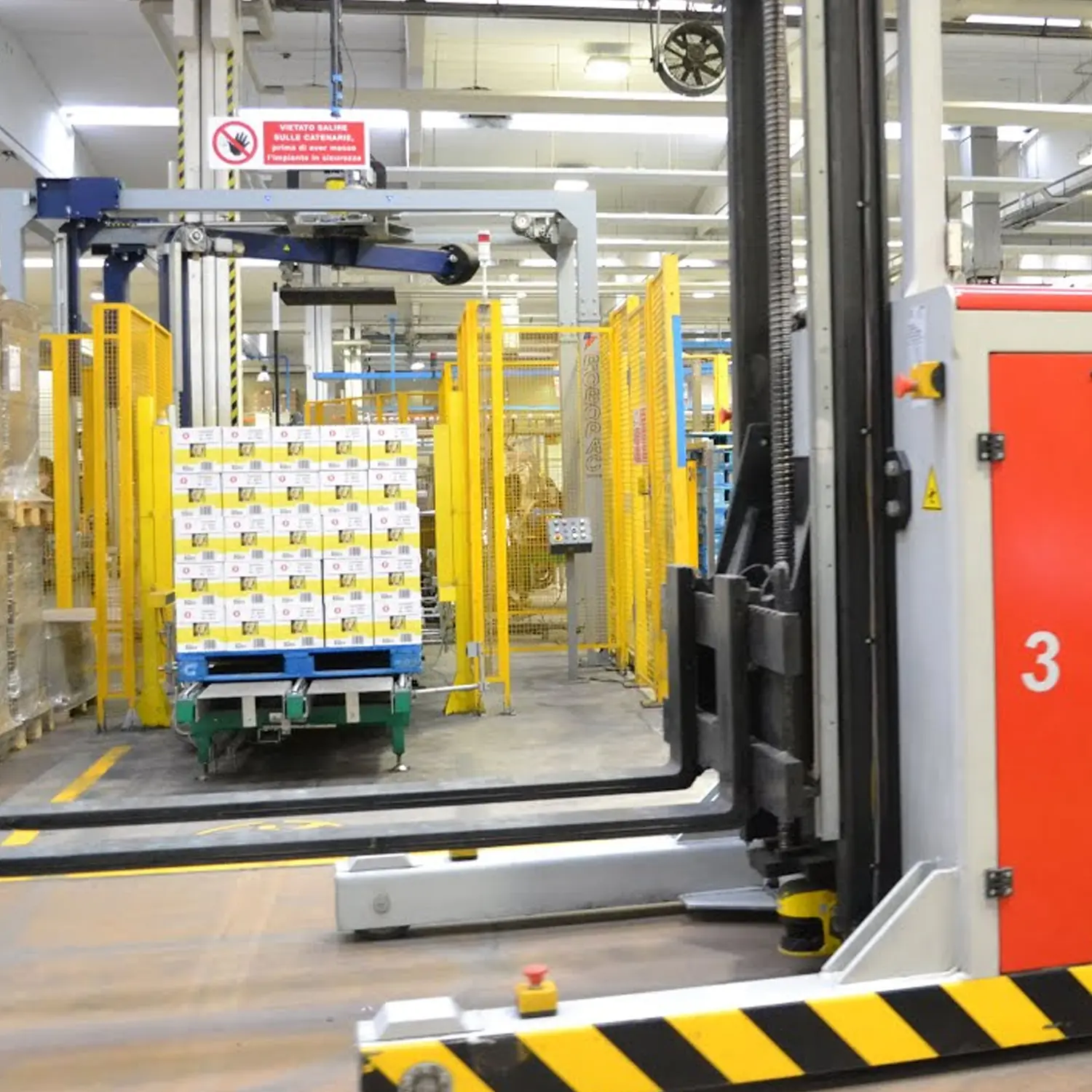
Robotlyne built a workshop intralogistics system using autonomous forklifts to automate material flow and improve efficiency.
Read moreWe Are Honored to Serve These Companies



On Site Deployment, Commissioning, and Long Term Technical Support
Our engineering team supports deployment, integration, commissioning, acceptance, training, and ongoing optimization until your production line is running stable and smoothly.
What our on site team covers:
On site installation guidance, positioning, cabling checks, and safety verification
Connect equipment with MES and factory software
Commissioning and parameter tuning for cycle time, stability, yield, and fault handling
FAT to SAT support including acceptance planning, issue tracking, and verification reports
Operator and maintenance training with handover materials, including spare parts and preventive maintenance guidance
Ongoing technical support with remote diagnostics, updates, and process change support
Interested in our solutions?
- Contact our experts to learn more about Robotlyne’s warehouse automation solutions.
- See if your project is feasible fast. Get a clear scope, timeline, and Free ROI Analysis.

- Automation Specialist
- - Hunter