



CLIENT & CHALLENGE
A PCB assembly manufacturer was scaling production across multiple shifts and struggling with inspection consistency. Operators relied on manual checks and basic camera aids, which created variation in judgement, especially for fine pitch solder joints, polarity marks, and small cosmetic defects. The customer wanted to standardize automated visual inspection so defects were caught early and review decisions did not depend on individual operators.
They also had a reliability requirement on a set of boards that used two capacitors mounted side by side. These capacitors needed adhesive component staking after inspection to increase vibration resistance and reduce the risk of movement over time. The challenge was sequencing and control. The line needed Automated Optical Inspection first, to confirm placement and solder quality, and then a controlled staking step to apply an adhesive bridge between the capacitor side walls. The customer’s priority was to keep takt time stable while achieving traceable AOI results for automated optical inspection pcb builds.
To support quick product changes, they also needed an automated optical inspection machine that could handle frequent recipe updates, plus automated inspection software that made results searchable, auditable, and useful for troubleshooting.
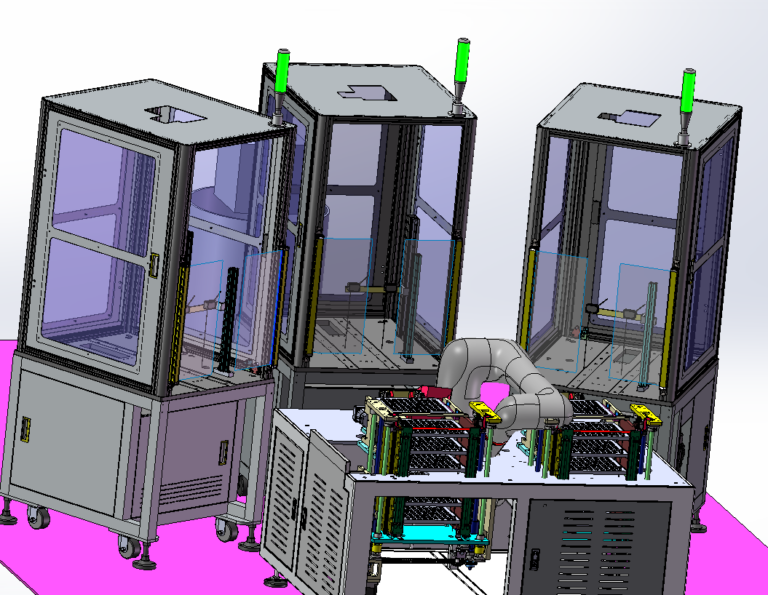
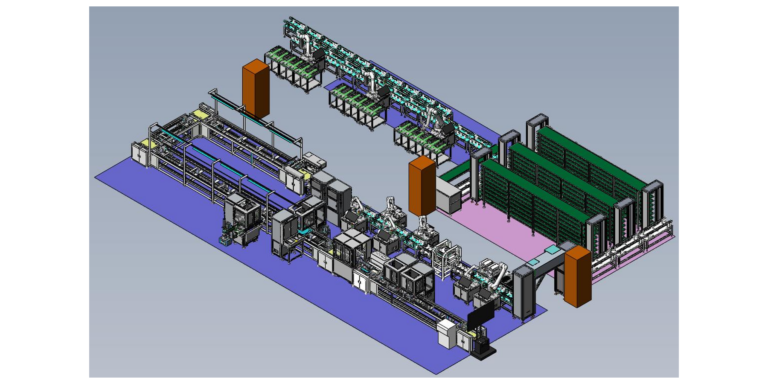
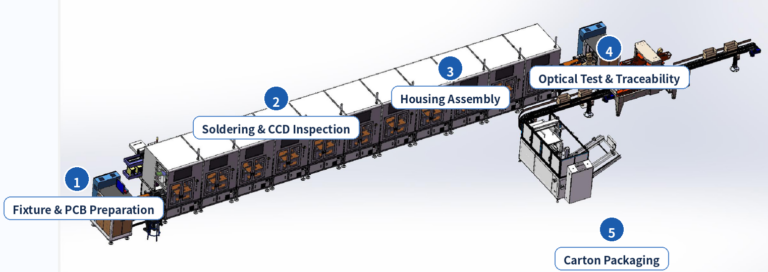
We designed an inspection first workflow: AOI verifies solder and placement quality, then the line performs adhesive staking for mechanical reinforcement. This sequencing avoids bonding defective assemblies, reduces rework risk, and keeps the process controlled.
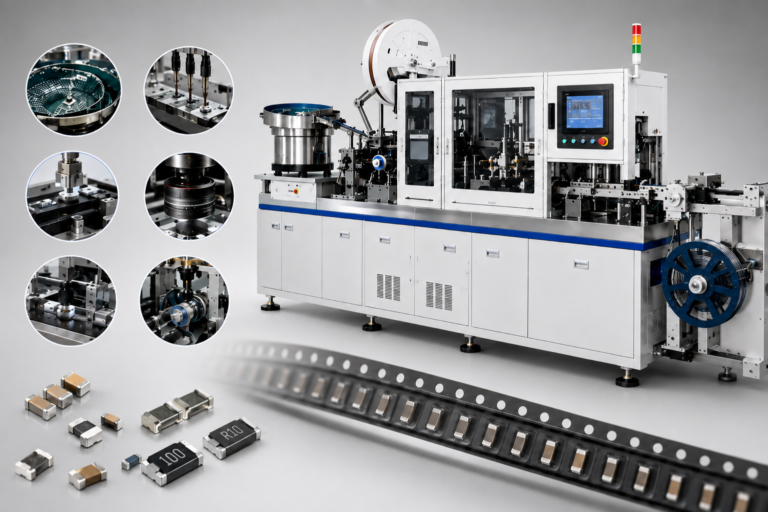
The solution combines an automated optical inspection machine with automated inspection software to deliver consistent detection, fast changeovers, and clear traceability. Automated Optical Inspection recipes were built to focus on critical to quality checks such as solder fillet presence, polarity, missing parts, offset, and cosmetic anomalies. After AOI confirmation, the process applies a measured adhesive bridge between the capacitors to stabilize the component pair.
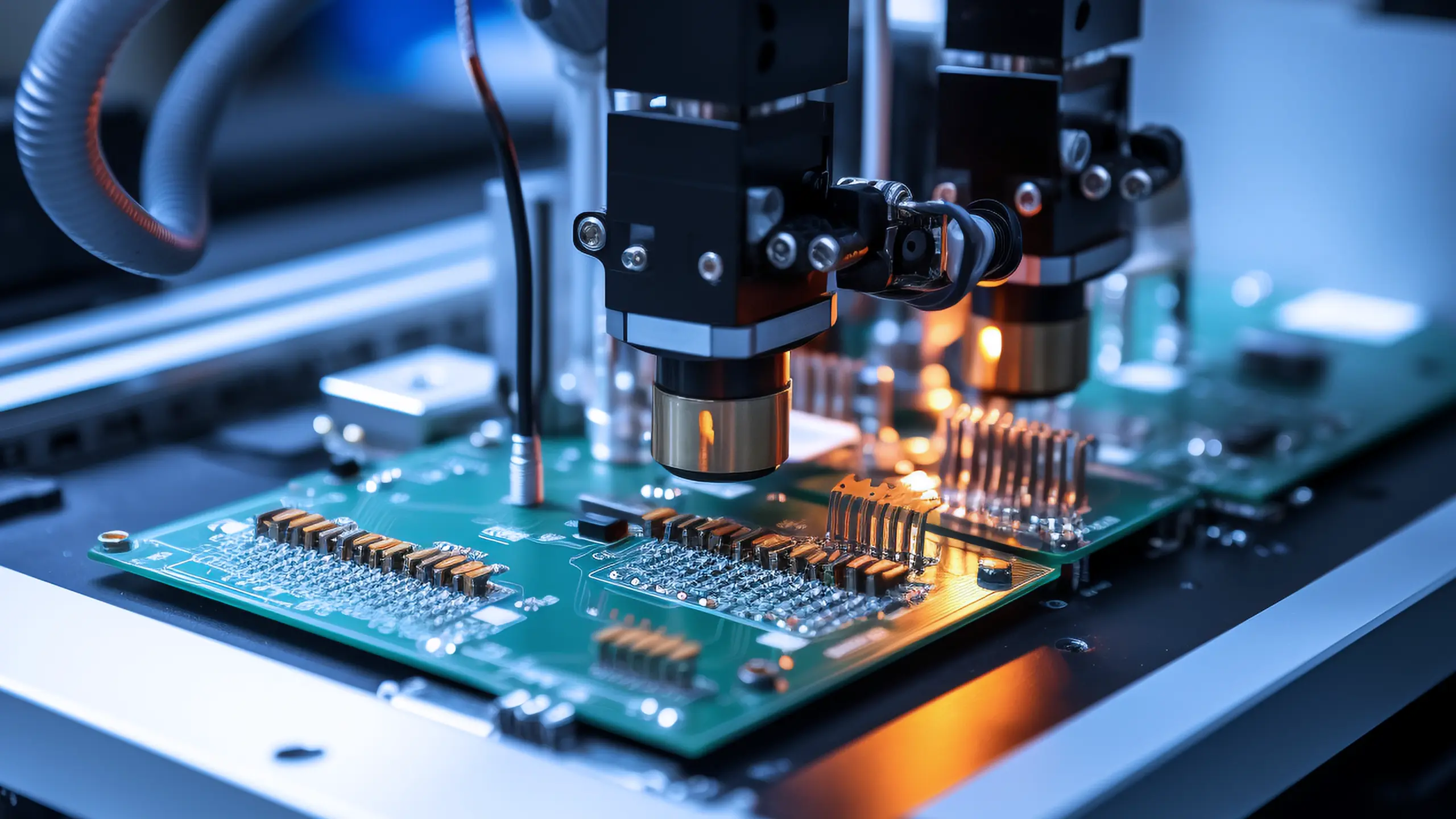
We configure the automated optical inspection machine with appropriate optics and lighting so AOI can reliably detect solder and placement issues while capturing clear evidence images for review. This improves consistency across shifts and product variants.
Engineering changes are handled through offline recipe editing, version control, and controlled rollout. This keeps automated optical inspection pcb changeovers predictable and prevents recipe drift across lines.
The automated inspection software links AOI images and results to board identifiers, organizes a defect library, and provides trend reporting. Teams can spot patterns earlier, shorten troubleshooting cycles, and verify corrective actions with data.
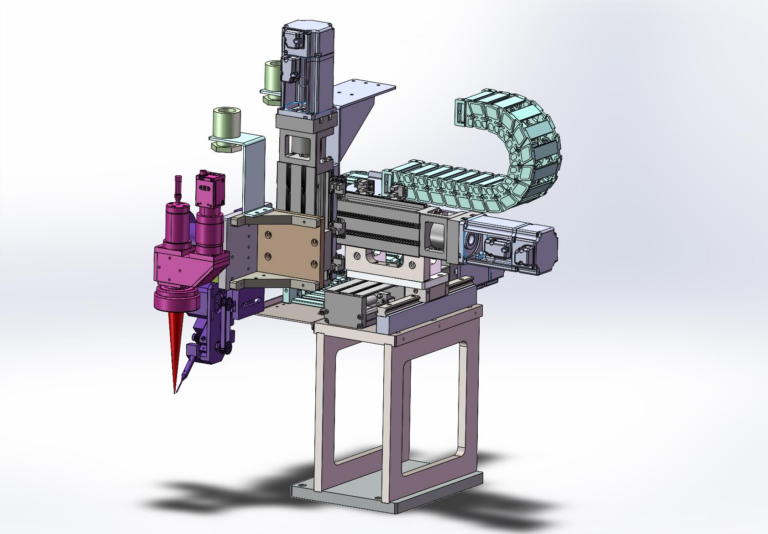
After Automated Optical Inspection confirms the board is within spec, adhesive dispensing applies a consistent glue bridge between adjacent capacitors. This sequencing reduces wasted material, avoids bonding defective boards, and improves mechanical stability without adding unnecessary manual checks.
AOI
Component Staking
After commissioning, the customer achieved more consistent inspection outcomes across shifts, with fewer subjective calls and faster review turnaround. Automated Optical Inspection reduced manual reinspection time by standardizing decisions and providing clear images for rapid confirmation. Because the process runs as inspection first, the staking operation is applied only to boards that pass AOI, which reduces rework loops and prevents adhesive being applied to assemblies that will be rejected.
From a performance standpoint, the customer saw improvement in three measurable areas:
AOI replaced a portion of repetitive manual checks and made borderline calls easier to resolve.
Earlier detection reduced late stage rework and lowered the likelihood of defects reaching the next station or the customer.
With recipes controlled in the automated inspection software, engineering changes were introduced with less disruption and more predictable results.
ROI:
For this program, ROI was achieved in 8 months. The payback was driven by reduced manual inspection effort, fewer internal rework loops after earlier defect detection, and fewer downstream disruptions caused by escape defects. Beyond the initial payback, the customer continues to benefit from stable automated visual inspection, traceable data that supports continuous improvement, and smoother new product introductions with less quality risk.
We are excited about the impact. AOI improved consistency across shifts and reduced rework. Staking after inspection boosted confidence in the build.
Need expert automation guidance?
Robotlyne is a leading manufacturer of automated equipment and a developer of proprietary industrial software. We engineer and build high-performance solutions designed to synchronize your entire production ecosystem. With 20+ years of expertise in hardware manufacturing and software development, we deliver data-driven smart factory strategies that drive measurable efficiency and long-term ROI.
Got questions? Ideas? Fill out the form below & our specialist will contact you.
Got questions? Ideas? Fill out the form below & our specialist will contact you.