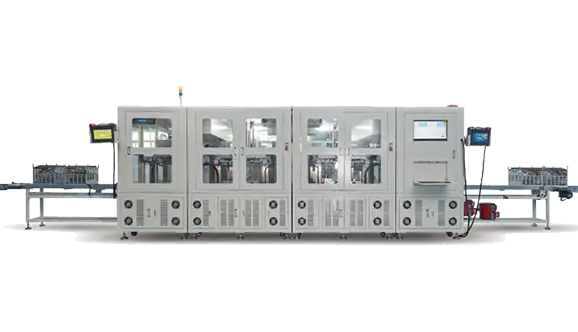
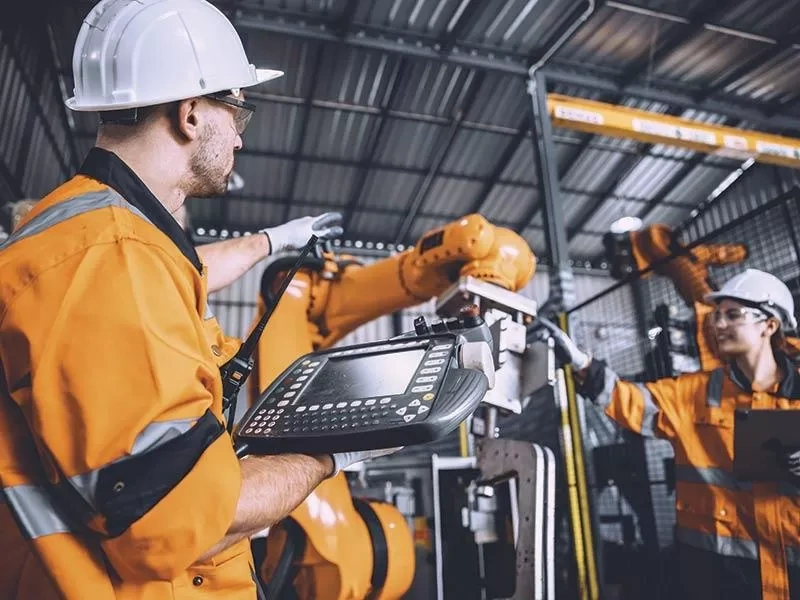
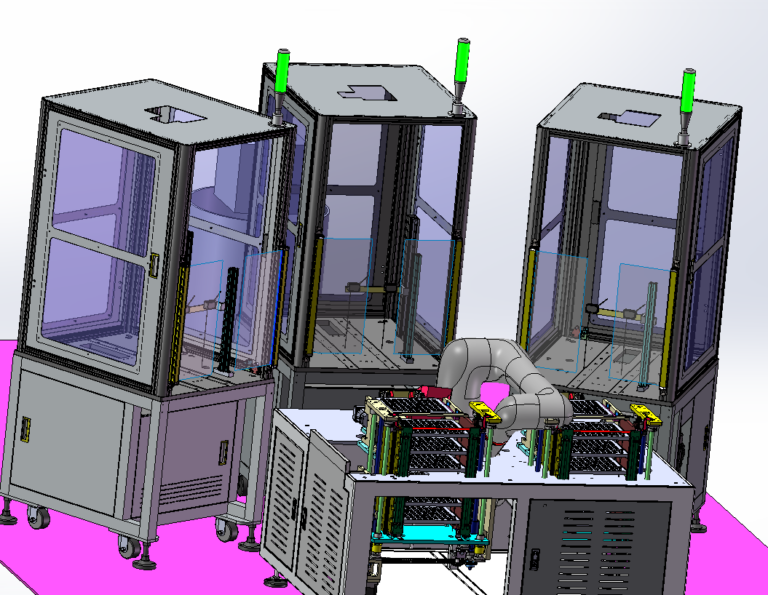
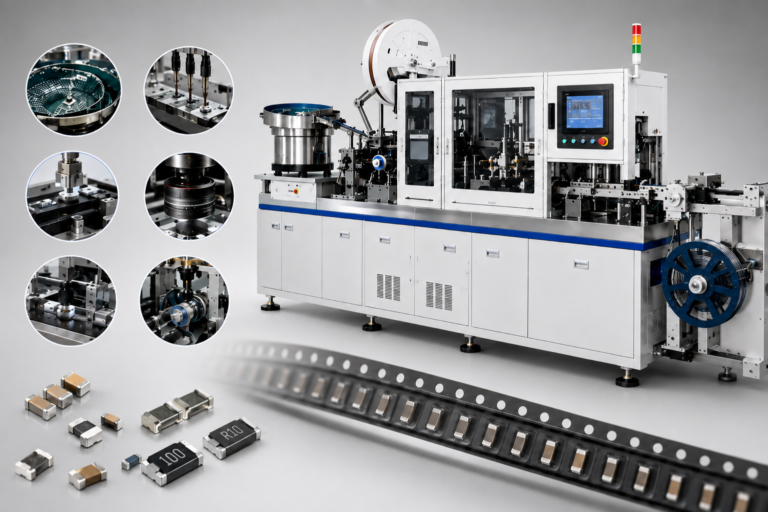
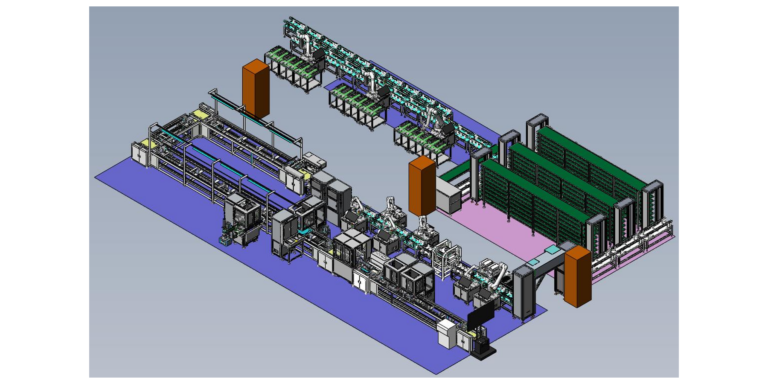
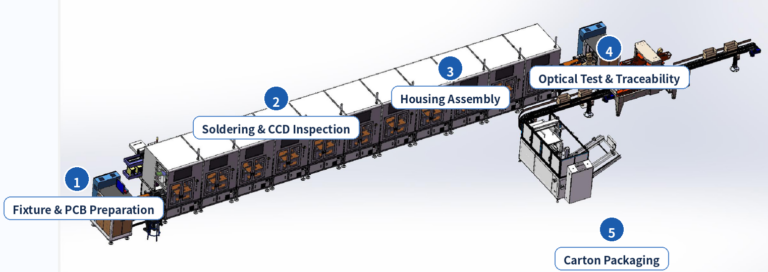
Before this project, key NTC sensor preparation steps were handled across separate manual and semi manual operations, making it harder to maintain a smooth production rhythm and consistent in process control across the full workflow. As demand grew, the manufacturer needed a more integrated assembly setup that could connect board loading, welding, coating, potting, curing, testing, and terminal assembly into one coordinated production flow, with a planned output of 30,000 pcs/day.
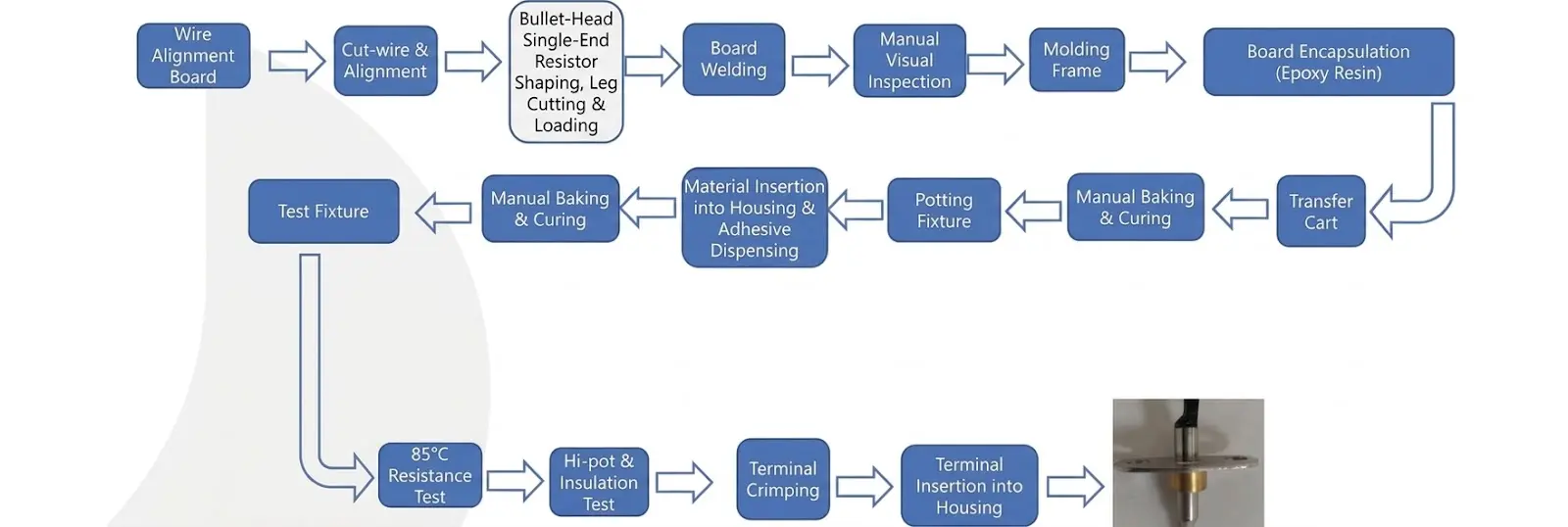
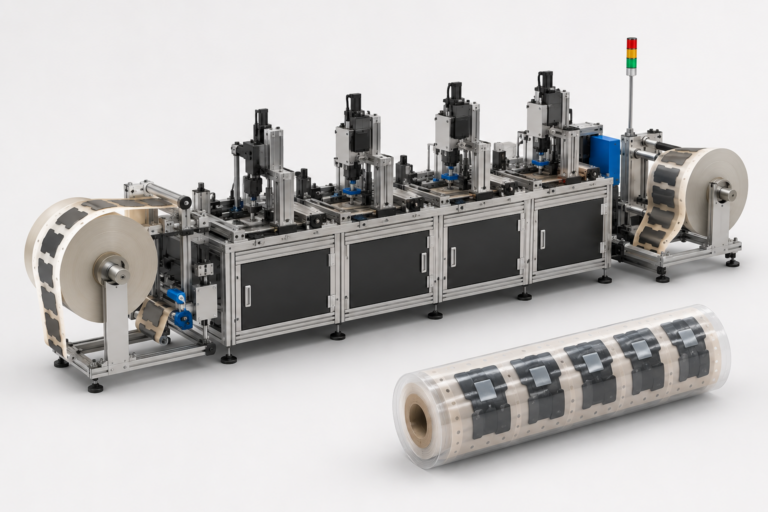
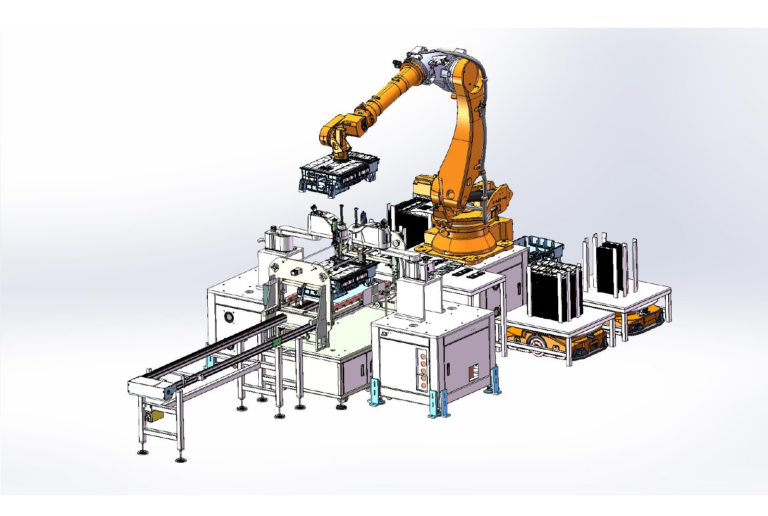
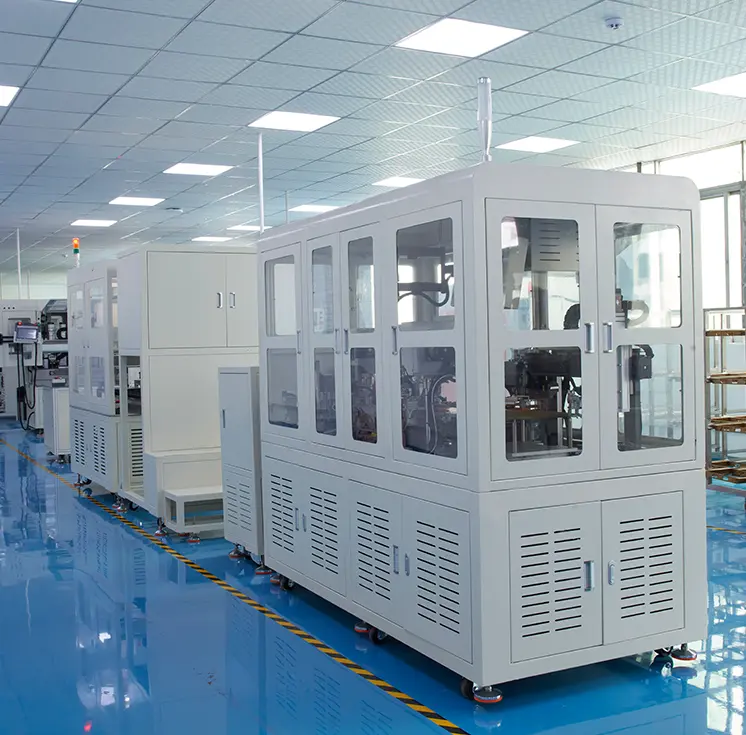
Our solution was built around the full preparation flow of the NTC sensor rather than a single standalone machine. The process started with automatic wire cutting, tinning, and loading onto carrier boards, then moved into bulk single end component feeding, lead forming, trimming, and resistance inverter welding. After the welding stage, the parts entered epoxy coating and curing, followed by dispensing and housing insertion processes arranged for two shell types. The line also included automatic resistance and insulation withstand testing with data recording, helping standardize quality checks before the final terminal crimping and plastic housing insertion steps. This setup created a clearer production sequence from wire preparation to final electrical verification, while making the overall workflow easier to coordinate across the line.
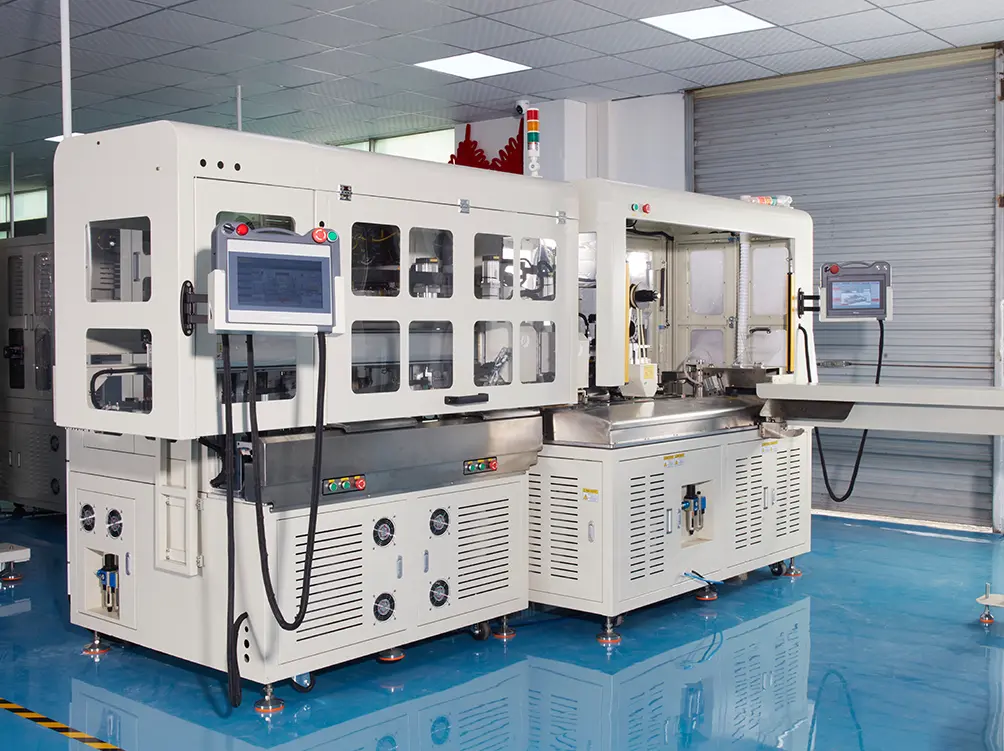
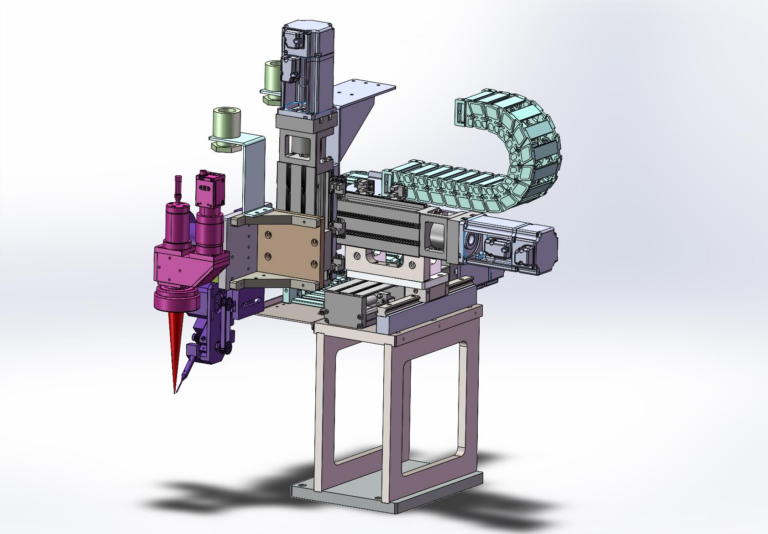
By combining wire cutting and welding into one automated workstation, this equipment helps streamline the early stage of production and reduce manual handling between steps. It can be managed by just one operator, reaches 30,000 pcs/day, and helps save 9 workers.
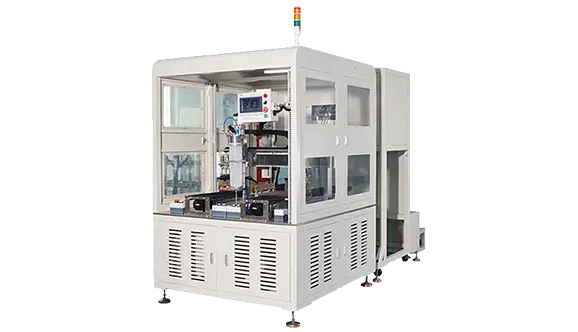
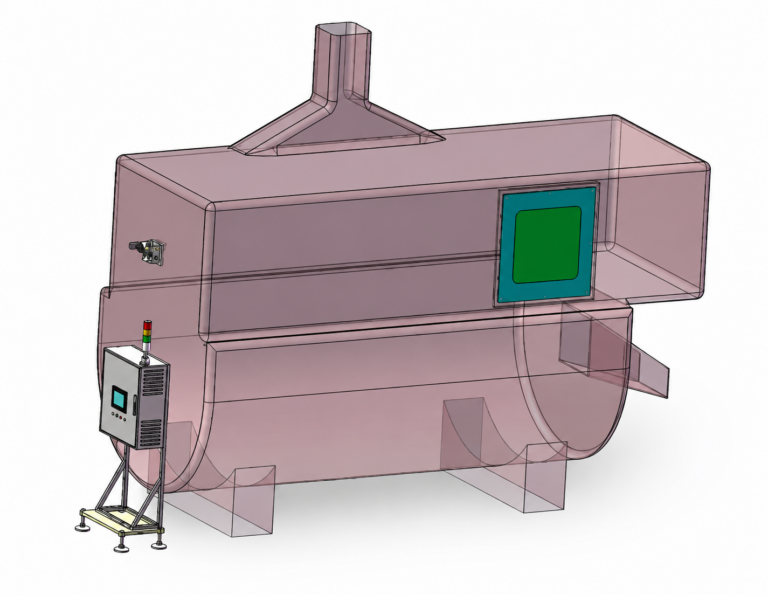
This machine automates the coating step, making the process more consistent and easier to manage at higher volumes. It requires only one operator, reaches 60,000 to 70,000 pcs/day, and helps reduce labor demand by 5 workers.
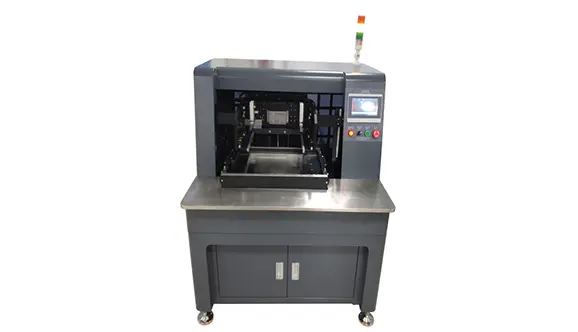
This equipment automates the potting step. It can be supervised by just one operator, reaches 40,000 to 50,000 pcs/day, and helps reduce labor demand by 3 workers.
This machine automates the testing stage, making product inspection more efficient and standardized in daily production. It can be managed by just one operator, reaches 30,000 to 40,000 pcs/day, and helps reduce labor demand by 1 worker.
By replacing multiple manual operations with one automated production line, this project helps save the labor cost of 22 workers. Based on the overall investment and expected annual labor savings, the estimated payback period is around 16 months.
Payback Period = Total Project Cost ÷ Total Annual Labor Cost Savings
Interested in our solutions?
Got questions? Ideas? Fill out the form below & our specialist will contact you.
Got questions? Ideas? Fill out the form below & our specialist will contact you.