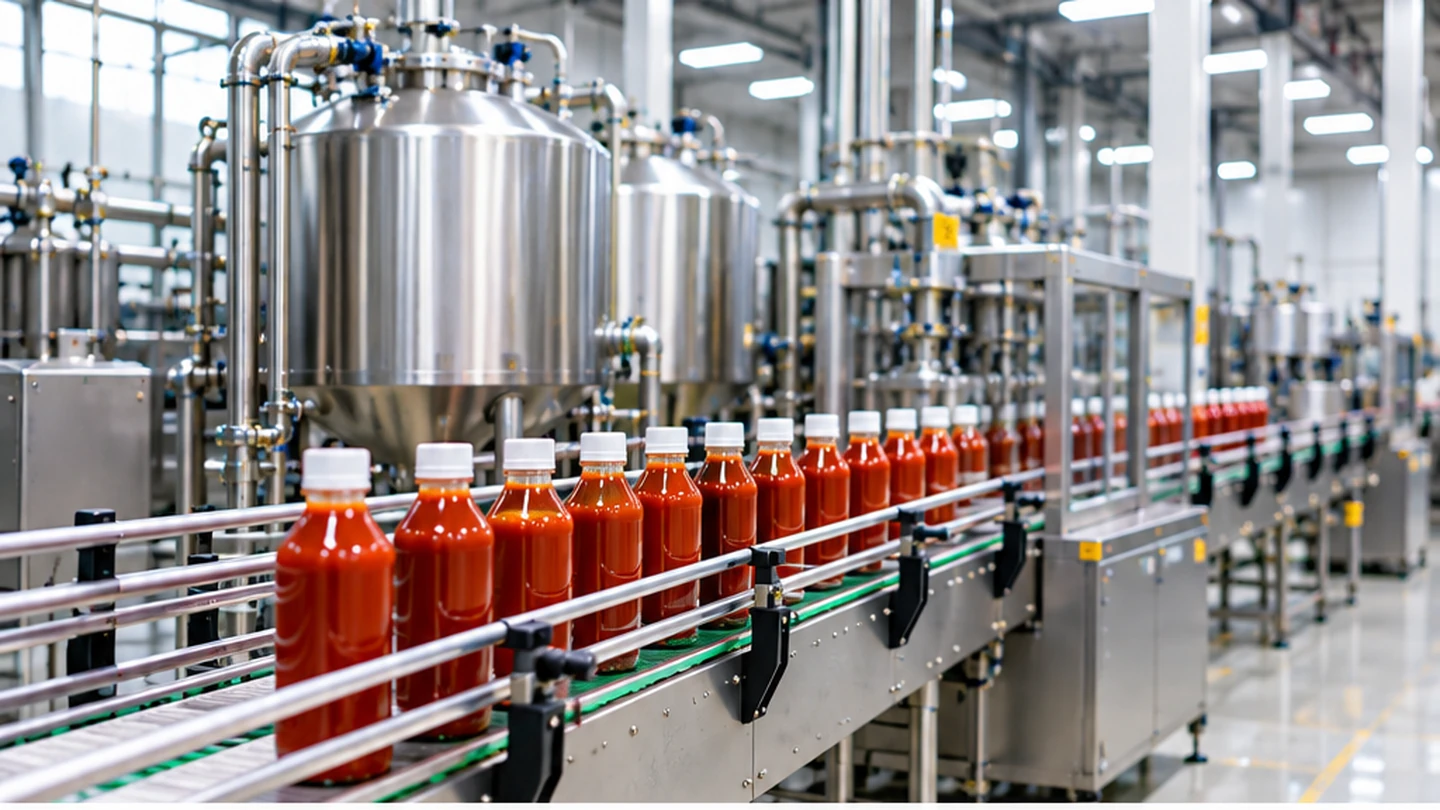
Sauce production involves ingredient dosing, mixing, processing, filling, and packaging. Equipment requirements vary considerably by product: the viscosity of tomato sauce affects pumping and filling, salad dressings require control of emulsification, and sauces containing solid pieces call for measures to prevent blockage and damage.
As one application of food processing automation, automation for sauce manufacturing can cover multiple stages, from ingredient measurement to finished-product packaging. It reduces repetitive manual work and helps improve consistency between production batches.
Which Stages of Sauce Production Can Be Automated?
Ingredient Dosing and Batching
Automated batching systems weigh water, cooking oil, sugar, salt, and other ingredients according to preset recipes and control the order in which they are added. The system can store recipe parameters and batch records for different products, reducing manual weighing and verification.
Mixing and Processing
Sauce processing may involve stirring, emulsifying, heating, concentrating, or cooling. Automated equipment follows the required process by controlling temperature, mixing speed, and processing time. Recipes that call for ingredients to be added in stages can also follow a programmed sequence.
Transfer and Filling
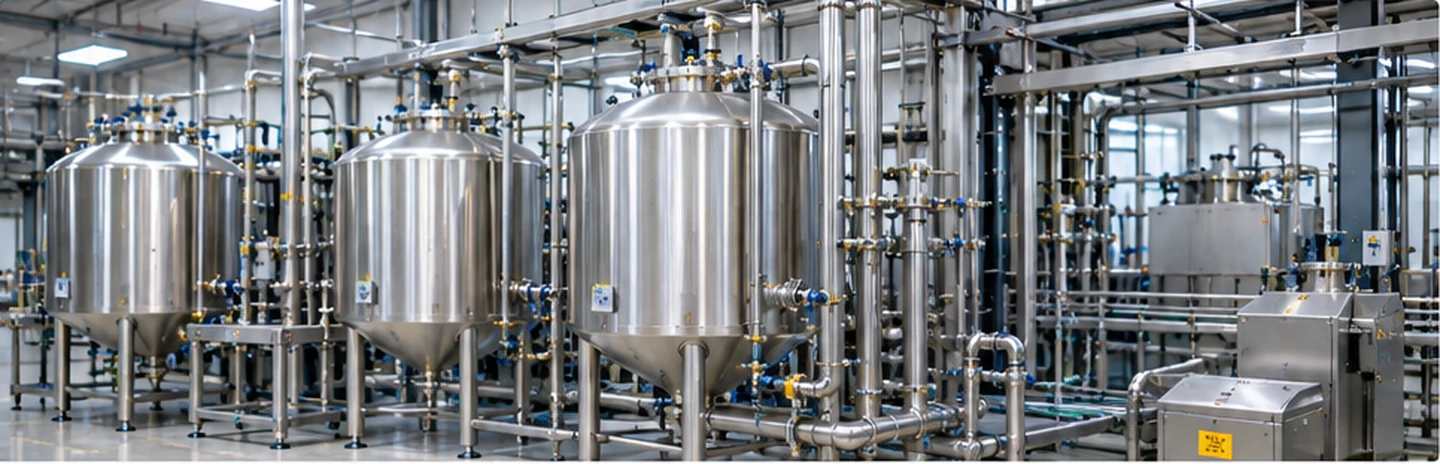
Finished sauce is transferred through pumps and pipes to filling equipment, which dispenses measured quantities into bottles, jars, or flexible pouches. Pumps, valves, and filling mechanisms must be selected according to the sauce’s viscosity, particle content, and filling temperature.
Capping, Labeling, and Case Packing
Bottled sauces can pass through automated capping, labeling, inspection, and case-packing equipment. Flexible packages use suitable filling and sealing machinery. Finished cases can also be palletized by robots.
How Do Different Types of Sauce Affect Equipment Selection?
Sauce Viscosity
Low-viscosity sauces are generally easier to pump and meter, while thicker products such as tomato sauce and barbecue sauce place greater demands on pumping and filling mechanisms.
Some high-viscosity sauces tend to string or drip at the end of filling. Residue on a bottle rim or pouch opening can interfere with capping or heat sealing, so the filling mechanism needs suitable shutoff and anti-drip features.
Solid Particles in Sauce
Chili sauces, vegetable-based condiments, and some fruit preserves contain solid pieces. Pipes, valves, and filling equipment must allow these particles to pass without excessive compression.
Products prone to particle settling may also require gentle agitation in the holding tank or during filling to maintain a consistent distribution of solids in each portion.
Emulsified Sauces
Mayonnaise and certain salad dressings depend on emulsification of the oil and water phases. The order of ingredient addition, mixing intensity, and temperature all affect the final texture.
These products typically need mixing equipment suited to emulsification, along with recipe management and process controls to maintain consistency between batches.
How Can Sauce Filling and Packaging Run as a Continuous Process?
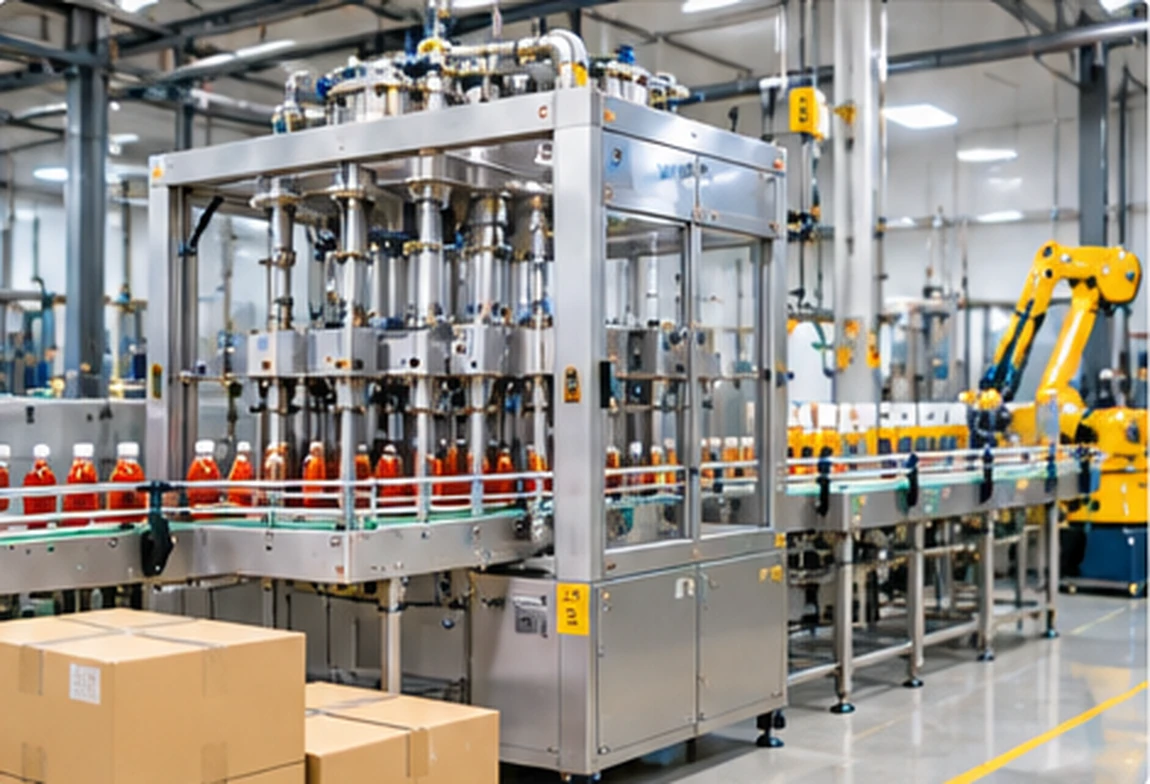
An automated bottling line for sauces typically includes bottle unscrambling, filling, capping, labeling, inspection, and case packing, with conveyors linking the stations.
Overall line capacity depends on the processing speeds of all connected machines. If the filler runs faster than the capper, bottles may back up; if downstream equipment stops, upstream operations are affected as well. The line therefore needs coordinated station speeds and appropriate conveyor handling and accumulation.
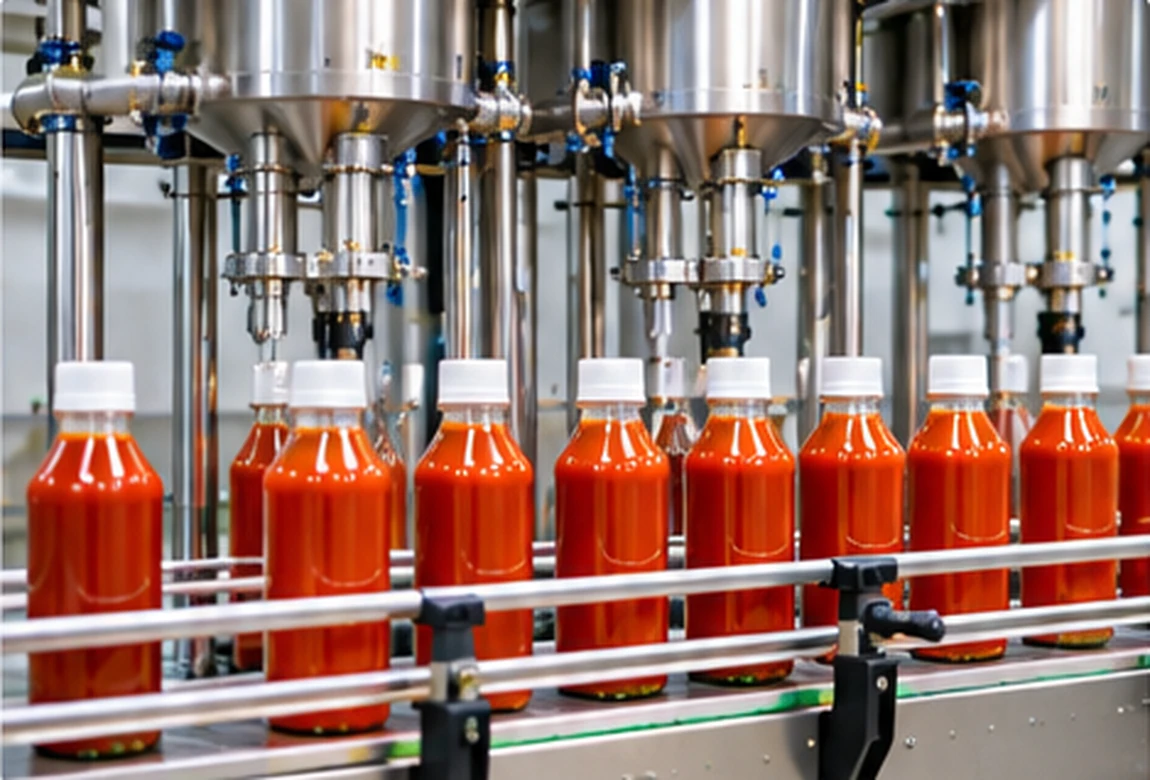
Producing several packaging formats also means accounting for changeovers. Switching bottle sizes may require adjustments to bottle guides, filling-nozzle height, and label placement. Different closures can require replacement capping components. How quickly the machinery can be adjusted directly affects changeover time.
For sauce pouches, manufacturers can choose premade-pouch filling and sealing machines or form-fill-seal equipment, depending on the packaging format. Filling must also keep sauce away from the sealing area to maintain reliable heat seals.
Challenges in Sauce Manufacturing Automation
Product Changeovers and Equipment Cleaning
Switching between flavors, colors, and recipes requires removing residues from piping, pumps, and filling equipment. Products containing different allergens demand particularly strict controls against cross-contact.
Some equipment supports clean-in-place (CIP) procedures, while other machinery must be dismantled for cleaning. On lines with frequent product changes, cleaning and adjustment can take up a substantial portion of a production shift.
Processing Conditions and Food Safety
Sauce production may involve heating, cooling, hot filling, or cold filling, each with corresponding temperature-control and hygiene requirements.
Automation systems can execute and record processing parameters, but the conditions themselves must still be validated against the recipe, food-safety requirements, and intended shelf life.
Integration with Existing Production Lines
Factories with existing sauce-processing equipment can prioritize automating labor-intensive stations such as filling, capping, or case packing.
Retrofit planning should examine equipment interfaces, available space, conveying methods, and current production capacity. If the original mixing and processing equipment still meets production requirements, the entire line generally does not need to be replaced just to automate packaging.
Robotlyne Sauce Packaging Automation Solutions
Robotlyne provides food automation solutions covering metered filling, automated packaging, case packing, and robotic palletizing, with equipment integration options based on sauce characteristics, packaging formats, and target production capacity.
We also offer a free project feasibility assessment and ROI analysis to help businesses evaluate equipment configurations, retrofit costs, and investment payback.