In semiconductor manufacturing equipment, wafers are constantly being picked up, aligned, and transferred to processing or inspection stations. The distances are often short, but wafers are thin and their surfaces are sensitive to contamination, so handling needs to minimize collisions, scratches, and misalignment.
That is why wafer handling systems differ from general-purpose industrial handling equipment. Some robots operate in clean atmospheric environments, while others work under vacuum to move wafers through processes such as etching and deposition.
Types of Wafer Handling Robots
EFEM Robots
At the front of a semiconductor tool, you will often find an EFEM (Equipment Front End Module). It is not a standalone robot but an integrated module for wafer loading, alignment, and transfer.
A typical EFEM includes load ports, a wafer handling robot, a pre-aligner, and equipment for maintaining a clean environment.
Wafers are usually stored in a FOUP (Front Opening Unified Pod). Once the FOUP is placed on a load port and docked, the equipment opens the carrier door so the robot can retrieve wafers from designated slots.
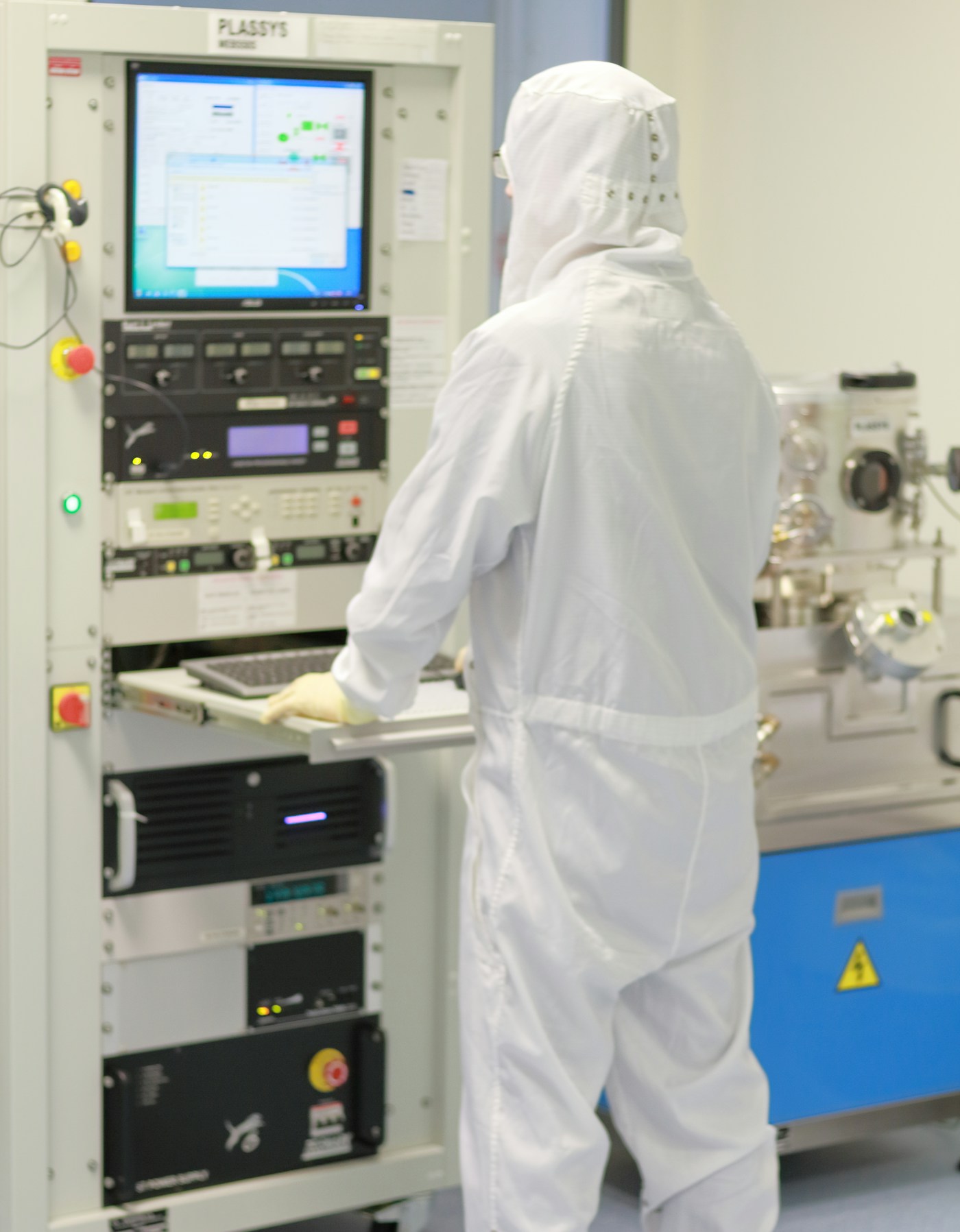
If the wafer’s center position or orientation needs adjusting, the robot first takes it to a pre-aligner before handing it off to the next station.
For processing and inspection equipment, the EFEM is an important interface for wafers entering and leaving the tool. Removing wafers from a carrier, positioning them, and transferring them to the next station can all be automated.
Vacuum Transfer Robots
Many etching and thin-film deposition processes take place in a vacuum environment.
Once wafers enter this type of equipment, vacuum transfer robots usually move them between chambers. Installed inside a vacuum transfer chamber, a robot can take wafers from a load lock into a process chamber or transfer them between multiple process chambers.
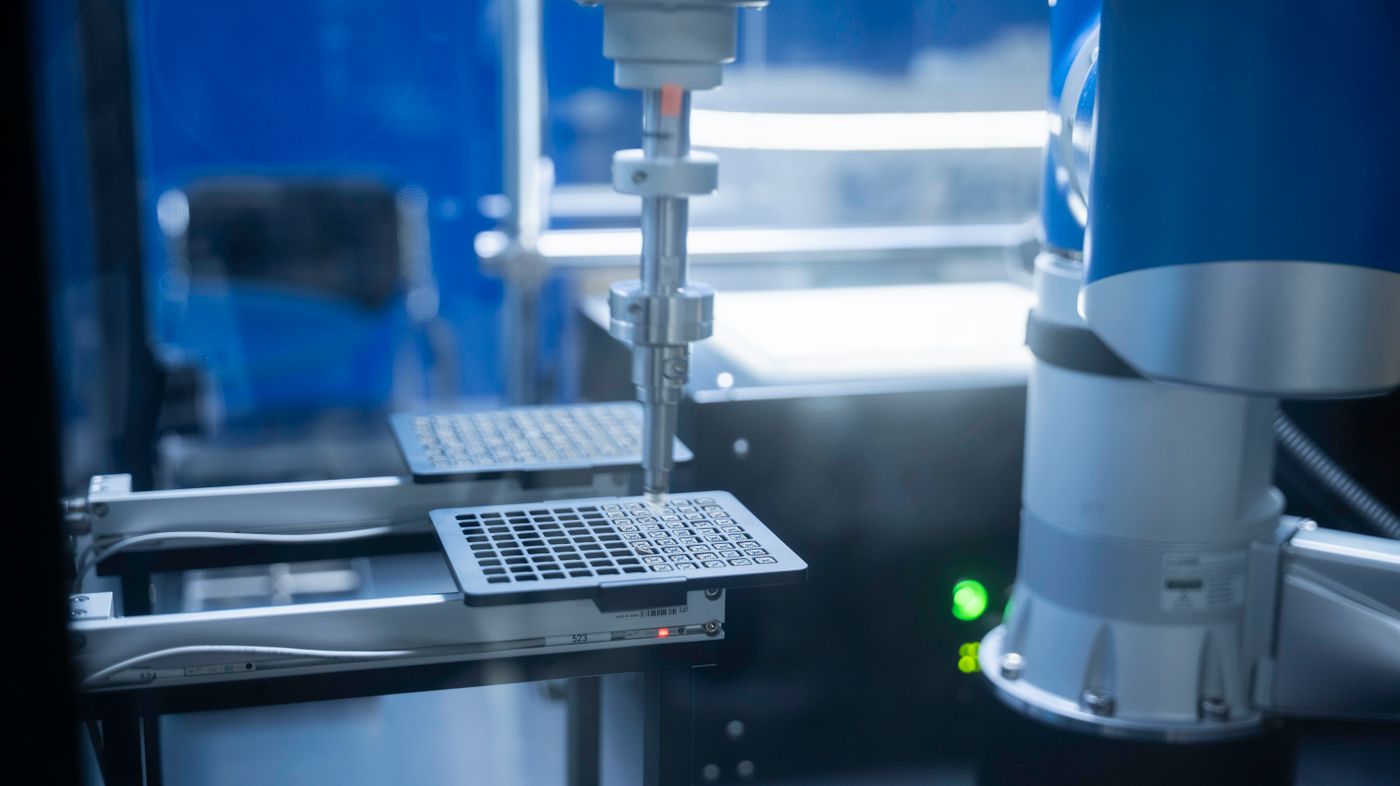
Vacuum conditions also place demands on the robot itself. Some materials, lubrication methods, and drive structures used in conventional robots are not suitable for vacuum. Vacuum transfer robots therefore need appropriate designs that also limit particle generation and vibration during movement.
These robots are particularly common in multi-chamber tools. After one process step, a wafer can move directly to another chamber without returning to an atmospheric environment each time.
Atmospheric Wafer Handling Robots
Atmospheric wafer handling robots operate at normal pressure. They mainly pick and place wafers between carriers, pre-aligners, and tool interfaces.
The EFEM described above typically uses this type of robot. Atmospheric robots can also be installed independently in wafer sorters or other inspection equipment.
Common configurations include single-arm and dual-arm robots. Depending on the equipment layout, a dual-arm robot can alternate between picking and placing wafers to reduce some waiting time, although actual throughput still depends on the tool’s workflow.
The way a robot holds a wafer matters too. Some applications use vacuum suction, while others require edge gripping or specially designed supports to avoid unnecessary contact with sensitive areas of the wafer.
An atmospheric robot is not a vacuum transfer robot just because it uses a vacuum end effector. The main distinction is the environment in which the robot operates, not whether suction is used.
How Automated Wafer Handling Works
A useful way to understand the process is to follow a wafer from a FOUP into a vacuum processing tool.
First, the FOUP is placed on a load port. Once it is docked and the carrier door is open, the equipment performs wafer mapping to check which slots contain wafers and identify obvious loading abnormalities.
The atmospheric robot then takes a wafer from a designated slot. If the processing tool requires a particular center position or notch orientation, the wafer passes through a pre-aligner before moving to the next station.
For atmospheric inspection equipment, the wafer can usually go straight to the inspection position. But if the next station is a vacuum process chamber, it needs to pass through a load lock.
A load lock serves as a transition chamber between atmospheric and vacuum environments.
The atmospheric robot places the wafer inside, the chamber closes, and pumping begins. Once the pressure meets the required conditions, the vacuum-side valve opens and the vacuum transfer robot moves the wafer into a process chamber.
After processing, the wafer follows the route set by the equipment. It returns through the load lock, the chamber pressure is restored, and the atmospheric robot takes the wafer out and places it back in its designated FOUP slot.
The robots do not work independently during this process. The control system must check wafer position, chamber pressure, valve status, and whether each station is ready to receive a wafer. For example, the vacuum-side robot cannot pick up a wafer before the load lock reaches the required pressure.
Of course, not every wafer handling system is this complex. Sorting and inspection equipment that operates entirely at atmospheric pressure generally does not need a load lock or vacuum transfer robot.
Advantages of Automated Wafer Handling Over Manual Handling
Wafers can also be handled manually using specialized tools, but automation is usually a better fit for production equipment that needs to transfer large numbers of wafers repeatedly.
The first advantage is lower contamination and damage risk.
Manual handling calls for vacuum wands, tweezers, or other dedicated tools. Even when cleanroom procedures are followed carefully, accidental contact or positioning errors can still happen.
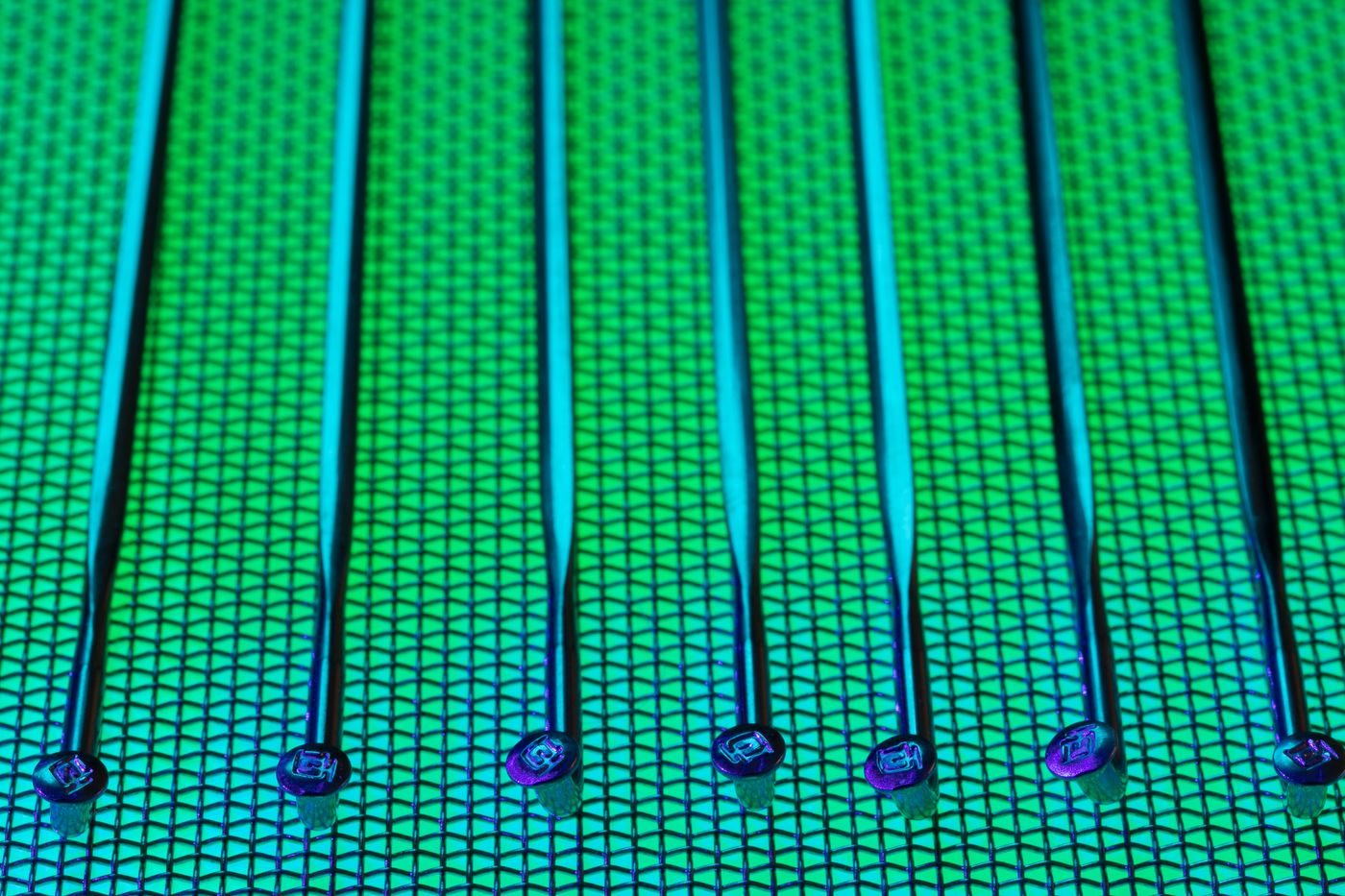
Robots follow programmed paths and pick-and-place positions, reducing unnecessary manual contact. That consistency matters when wafers need to move in and out of process tools many times.
Another advantage is positioning accuracy.
Whether a wafer is placed on a pre-aligner, an inspection stage, or inside a process chamber, its position must meet the equipment’s requirements. Working with the positioning system, a robot can repeat the same pick-and-place motions and reduce variations caused by manual operation.
In terms of production efficiency, the main advantage of automation is continuous operation.
Semiconductor tools often repeat a cycle of picking up a wafer, aligning it, processing it, and putting it down. If every loading or unloading step depends on an operator, the tool’s cycle can be interrupted. Automated handling can schedule transfers according to equipment status and keep wafers moving between stations.
Automated systems can also record wafer slot positions, transfer status, and exceptions. With wafer identification, these records can be linked to the processing data for a particular wafer, making quality issues easier to trace.
That does not mean manual handling has no place.
In R&D labs or small-batch testing, where only a few wafers are handled occasionally and procedures change often, manual handling with the proper tools may be more convenient.
For high-volume production, especially where cleanliness, positioning accuracy, and equipment cycle time need to be tightly controlled, automated wafer handling systems generally offer greater advantages.