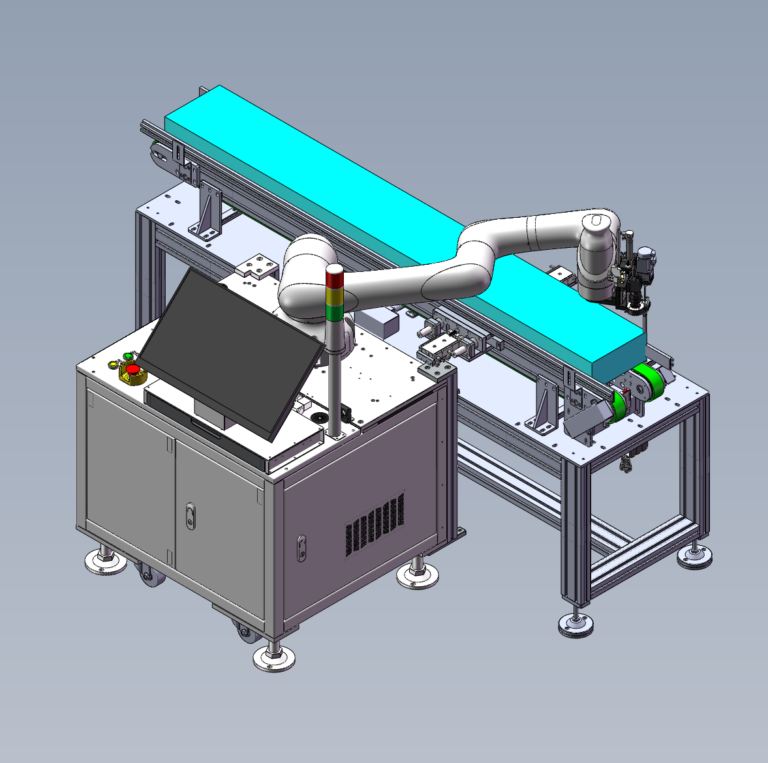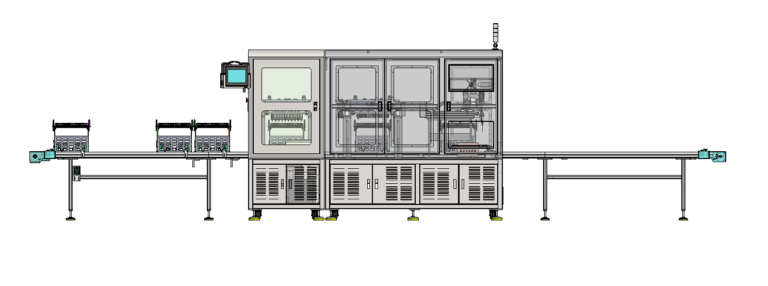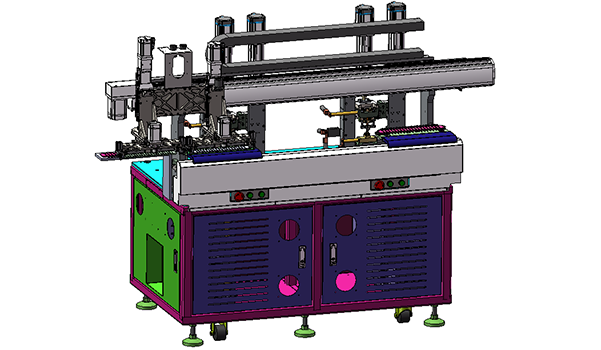
In Wire Harness and Sensor manufacturing, Automated Soldering Equipment does not necessarily need the same level of precision control across the full length of a long wire. In Robotlyne’s Wire-Core Square Pressing and Welding Cell, the product Wire Length ranges from 120-1,500 mm, but the area that actually enters Square Pressing, Resistor Co-Welding, and Secondary Flat Welding is only a small Process Zone near the edge of the Wire Board. The case specifies an Exposed Wire Length of 15-30 mm, a Formed Head of 9-13 mm, and a Welded Head Extension of 25-40 mm from the Wire Board Half Side. The coexistence of a long product and a small processing area is one of the defining mechanical features of this machine.
Robotlyne did not build a full-length precision positioning system around the entire 1.5 m Wire. Instead, the Wire Board supports and transfers the long wire as a whole, while only the terminal processing area is brought into fixed Pressing and Welding Positions. The machine therefore has to control the Wire End Region precisely, not the full length from the Board to the Wire Tail.
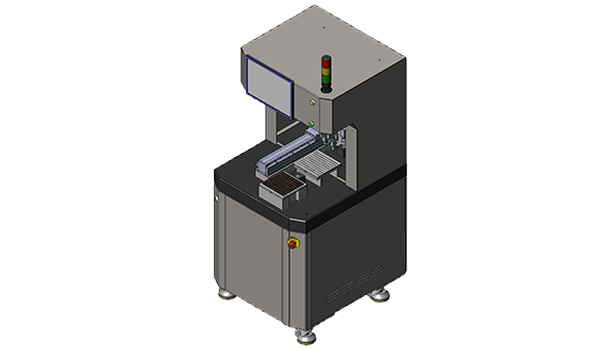
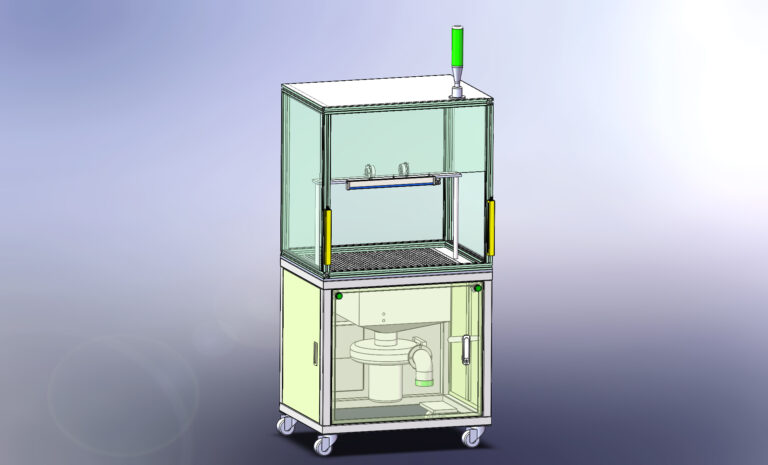
Robotlyne’s Automated Welding & Soldering solutions cover Resistance Welding / Soldering, Automatic Feeding, Component Lead Forming, and standalone or in-line Welding Workstations, making it possible to integrate front-end Wire Processing with localized Welding Processes in one machine.
1,500 mm Is the Wire Length, Not the Precision Process Length
This project is designed to handle:
24# / 26# Wire
as well as:
Paired Wire / Separated Wire
The Wire Length varies from 120 mm up to 1,500 mm.
Looking only at that number, it would be easy to imagine a large machine that has to establish positioning and processing capability along the full length of the wire.
The dimensions involved in the actual core process are much smaller:
Exposed Wire Length: 15-30 mm
Formed Head: 9-13 mm
Welded Head Extension: 25-40 mm
These dimensions define the real processing boundary at the end of the Wire.
Square Pressing takes place in the Head Area.
The 58-ohm Resistor is Co-Welded to the Wire Core in the same region.
Secondary Flat Welding also continues around that localized position.
The machine therefore does not need to bring every point along a 1.5 m flexible Wire into a high-precision position.
What repeatedly has to be presented to the tooling is only the terminal section measuring a few tens of millimeters.
Most of the Wire Length can remain supported on the Wire Board.
The Process Zone is then brought into fixed mechanical positions inside the machine.
Once these two scales are separated, increasing Wire Length does not require every precision mechanism in the machine to expand proportionally.
The Wire Board Turns a Long Flexible Wire into a Local Processing Task
A long Wire is flexible by nature.
If the machine removed the Wire from its carrier after every process, then searched for the terminal position again before the next step, posture variation would become harder to manage as Wire Length increased.
This project keeps the Wire on the Wire Board.
The operator first loads the Wire Board into the machine.
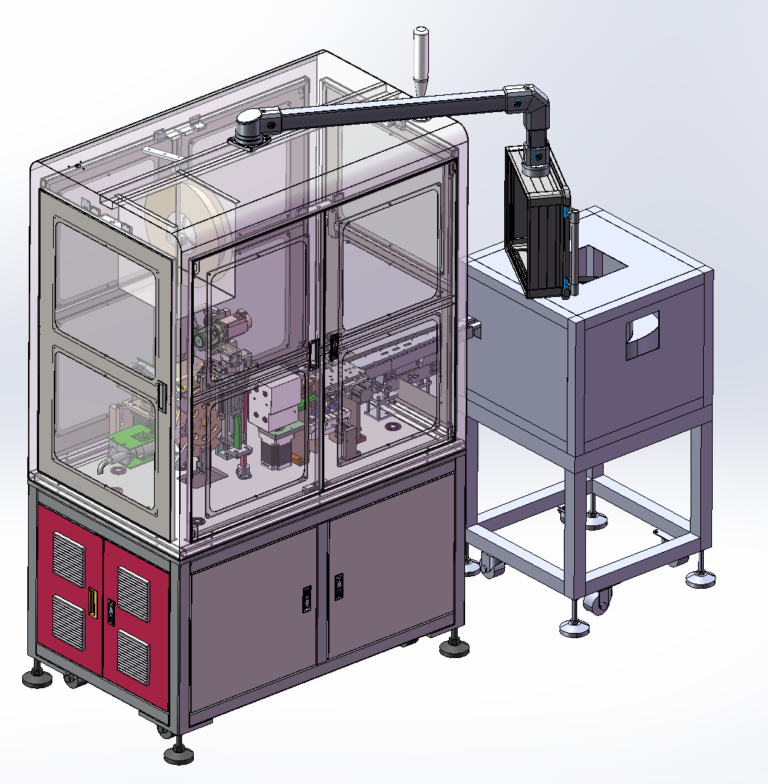
Inside the cell, the Board Handling Station grips and transfers the Board, while a Powered Guide Rail and Locating Fixture move the complete Board to the required Process Position. After processing, the Finished Board is still removed as one unit.
The object that the machine actually transfers is:
Wire Board
The long Wire remains organized on that Board.
This divides the 1.5 m Wire into two very different mechanical zones.
Most of the length belongs to:
Product Support / Material Handling
The last few tens of millimeters belong to:
Precision Process Zone
The machine does not need to feed the full Wire into the Pressing Tool.
It also does not need to include the entire Wire within the precision positioning range of the Welding Head.
The Wire Board carries the terminal section into position, and the Tooling only works on the localized area near the Board Edge.
The reference machine size also reflects this relationship.
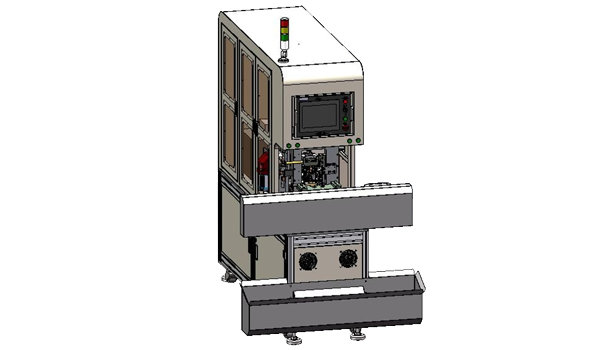
The complete machine is approximately 1,400 x 800 x 1,900 mm.
In other words, the maximum Wire Length can reach about 1.5 m, but the machine body is not simply built as an equally long precision Processing Axis.
The long product is supported and transferred.
The small area is processed.
These two tasks are handled separately inside the machine.
Square Pressing and Welding Share the Same Wire-End Process Zone
Once the Wire Board brings the terminal section into the machine, the following processes all work around the same small area.
The first is Square Pressing.
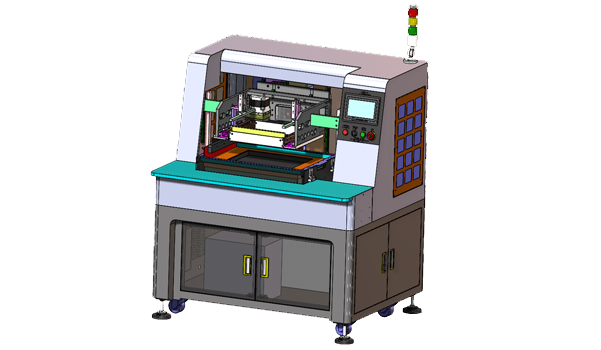
Upper and Lower Head Assemblies form the Wire Core into a 9-13 mm Head Geometry.
The Board is then transferred to the Welding Position.
There, the Wire Core and the 58-ohm Resistor are Co-Welded, followed by Secondary Flat Welding.
Spatially, these processes do not each search for the full Wire again.
They all wait for the same Wire End Region to be brought into their Tooling Position.
The repeated internal sequence is therefore:
Wire End enters Process Zone
-> Square Pressing
-> Transfer
-> Resistor Co-Welding
-> Secondary Flat Welding
The Process Window is small.
But more than one Tooling set works around it.
Square Pressing uses Upper and Lower Head Assemblies.
Welding uses its corresponding Welding Structure.
Board Transfer moves the same terminal area sequentially into these positions.
This arrangement allows the machine to handle both a long Wire and a small precision processing zone without turning the complete Product Envelope into a high-precision Motion Envelope.
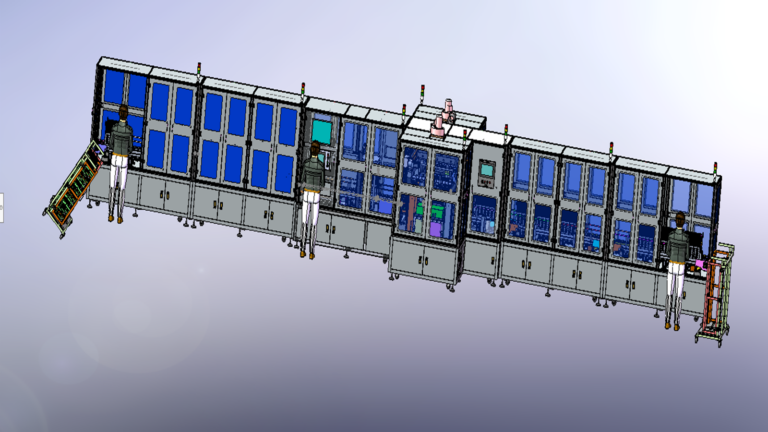
The overall Line Layout also includes Wire Cutting / Board Loading, Three-Station Welding, and Secondary Square-Press Welding, with a reference real-time efficiency target of 1,800-2,000.
This cell handles Wires up to nearly 1.5 m long, yet both Square Pressing and Welding are concentrated within only a few tens of millimeters at the end. Robotlyne therefore uses the Wire Board to support and transfer the long Wire as a whole, while bringing only the portion that requires precision control into a fixed Process Zone.
For Wire Harness and Sensor products that also combine long Wire, localized Lead / Core Forming, and terminal Welding, contact Robotlyne to discuss how a long flexible product can be converted into a localized processing task suitable for automated equipment.