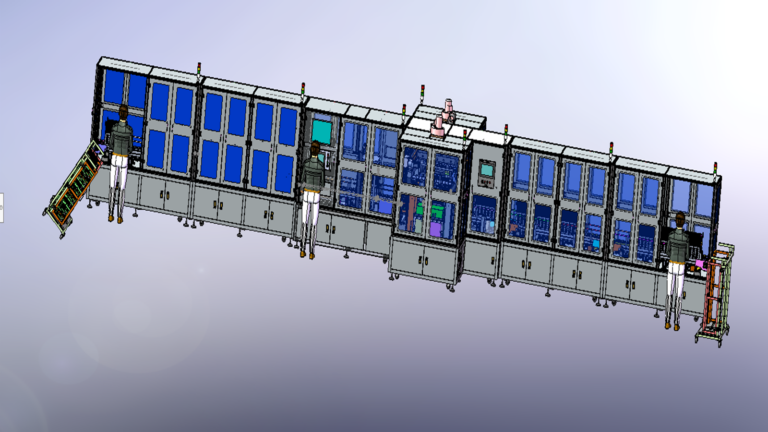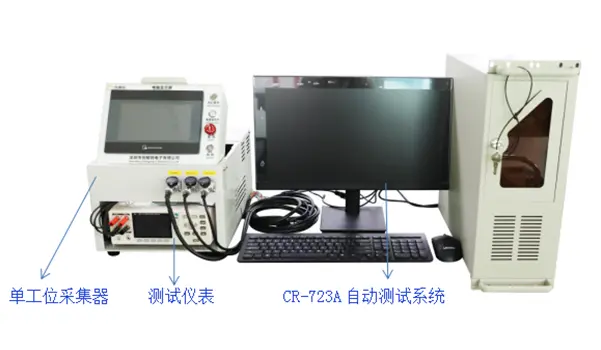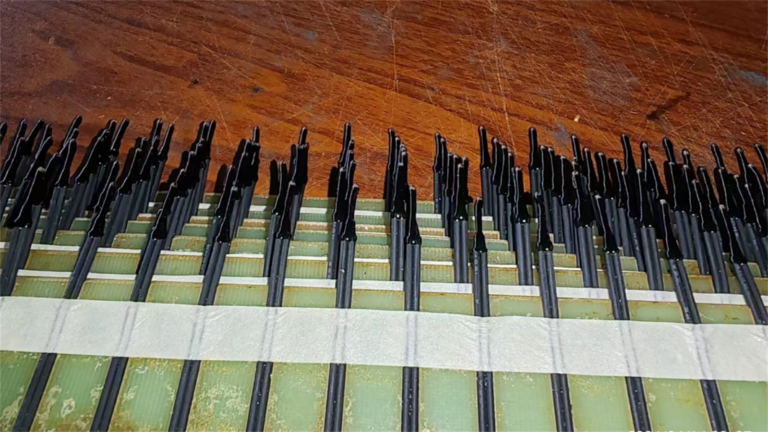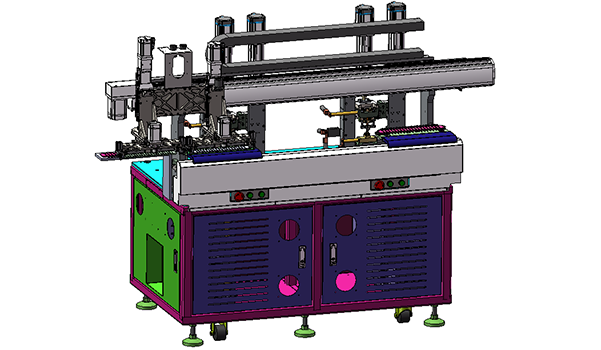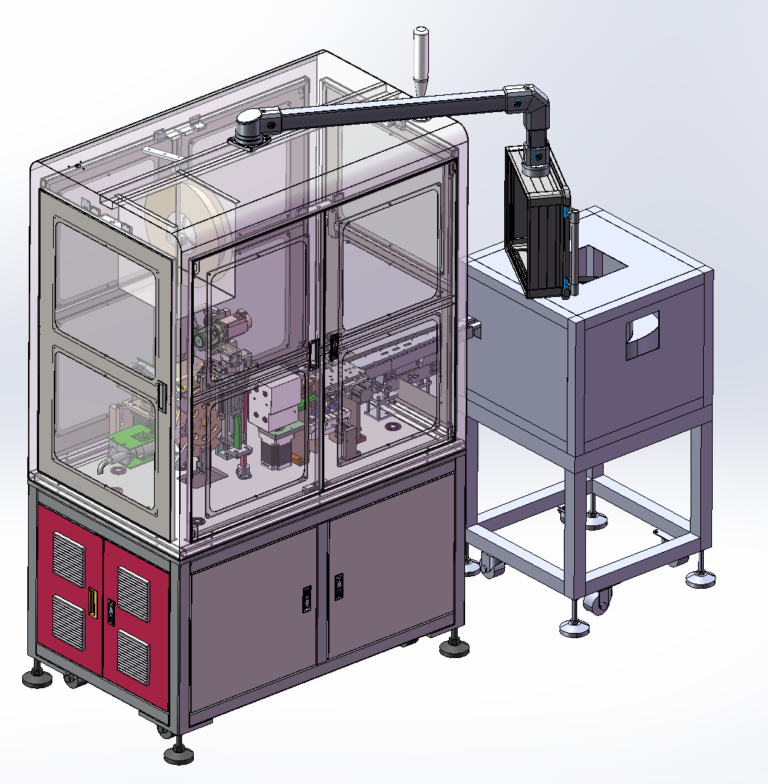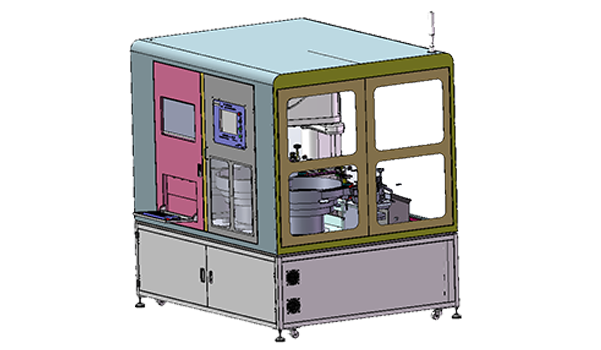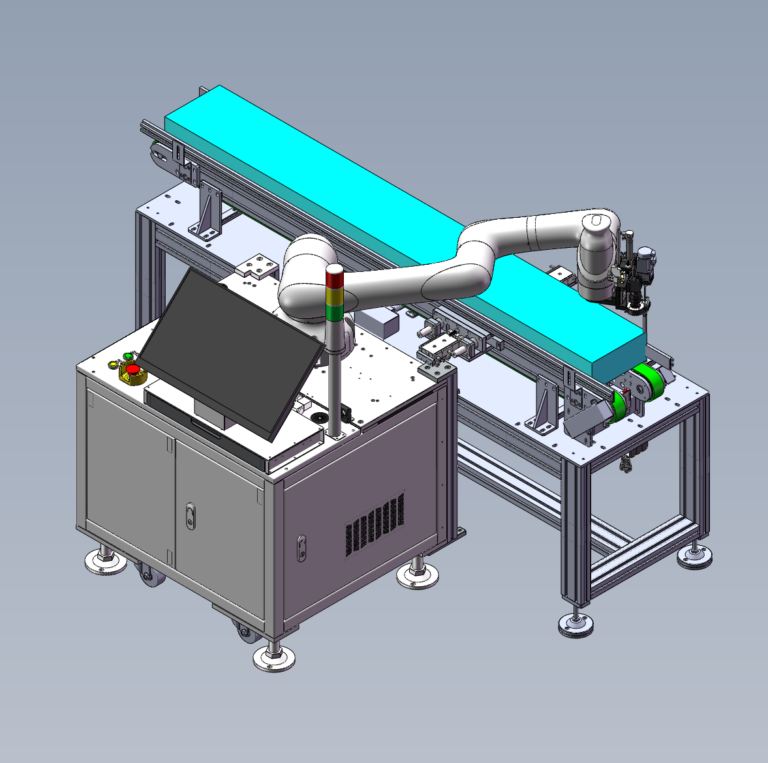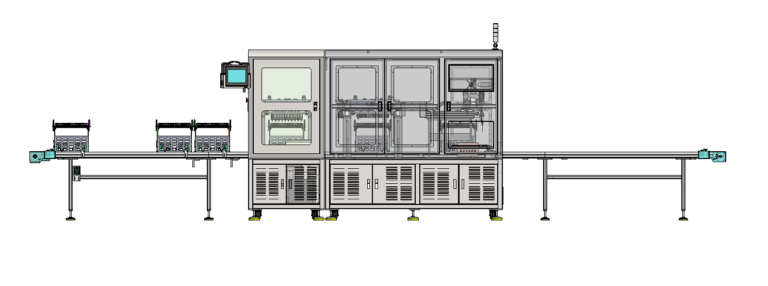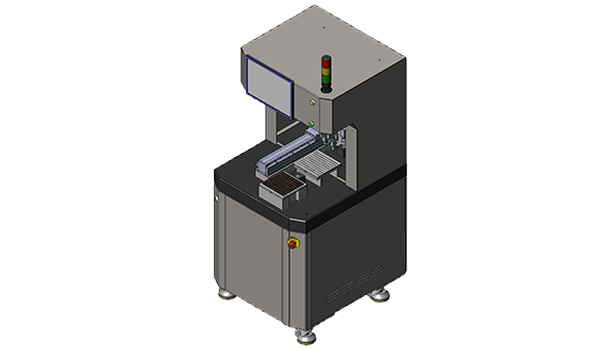
In the automotive and energy industries, Automated Production Solutions often have to coordinate assembly, testing, manual intervention, rework, and process steps that operate at different speeds. In this EV Charging Power Supply Line Automation project, Robotlyne needed to organize Dispensing, Screw Fastening, Turnover, Labeling, Electrical Testing, Repair Handling, and Buffer Storage within one EV Charging Power Supply / Power Module production line.
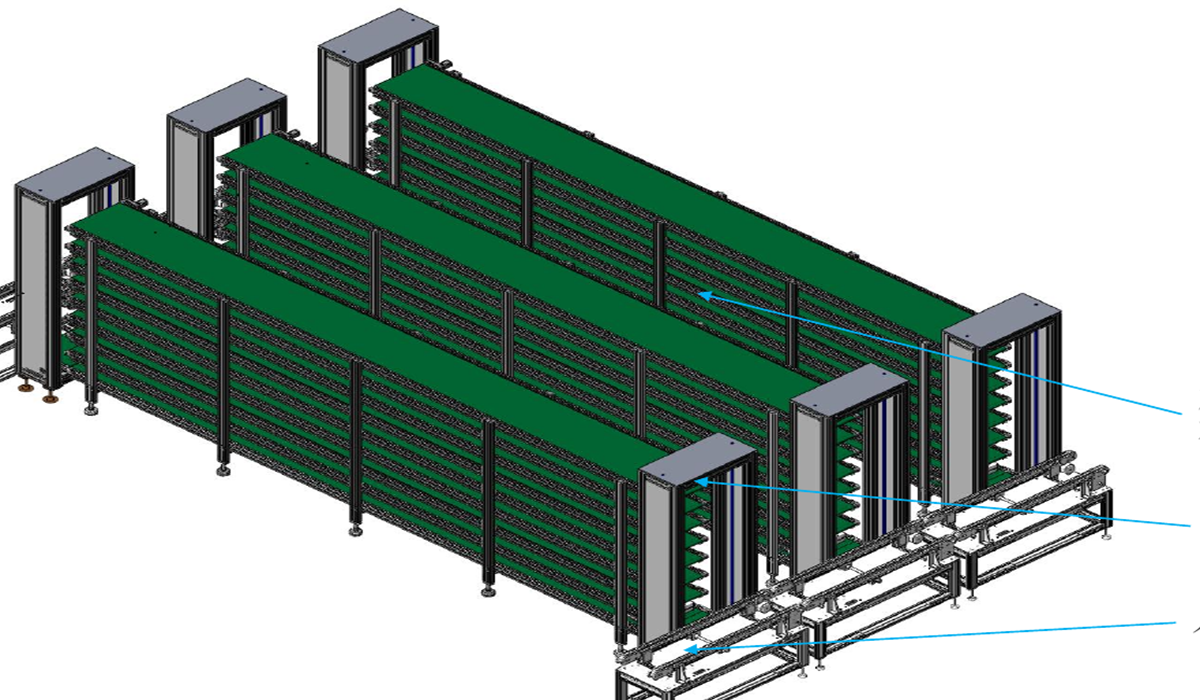
When planning the layout, Robotlyne did not place every process directly on the Main Conveyor. Some Robot Workstations run online with the Carrier Flow; Mainboard Dispensing and Fan Screw Fastening were arranged as Offline Stations; abnormal products can move to a Manual Repair Position; and a Three-Stage Vertical Buffer Warehouse was placed between Assembly and downstream Aging / Debug. The planned buffer capacity is approximately 459 units for 40-Series products and 540 units for 30-Series products.
All of these decisions come back to one line-design question:
Should this process occupy a permanent position on the Main Conveyor?
Robotlyne’s Electronics Assembly Automation covers Screwdriving, Testing, Inspection, Automated Handling, and Robotic Workcells for multi-process assembly applications such as EV power electronics.
Every Station on the Main Conveyor Becomes Part of the Line Rhythm
The production line uses a Double-Layer Return Double-Speed Chain.
Power Modules and Carriers move through the main production area on the upper level. After product transfer is complete, Empty Carriers return to the front of the line on the lower level. A U-Shaped Workpiece-Board Turning Machine changes the conveyor direction so the longer process flow can be arranged within a limited workshop footprint.
For operations that can reliably follow the Carrier Cycle, Robotlyne placed the equipment directly around the Main Conveyor.
Robot Handling, selected Screw Fastening operations, Turnover, Labeling, and other stations can perform their tasks after the Carrier reaches the defined position, then release the product to the next station.
These stations share the same Production Rhythm as the Main Conveyor.
Carrier arrives.
The station performs its operation.
The Carrier is released.
The next product moves in.
If a process also requires independent Loading, Fixture Movement, or an internal Processing Cycle, placing the entire sequence on the Main Conveyor would make the line wait for those additional actions.
Mainboard 2 Dispensing was therefore not arranged this way.
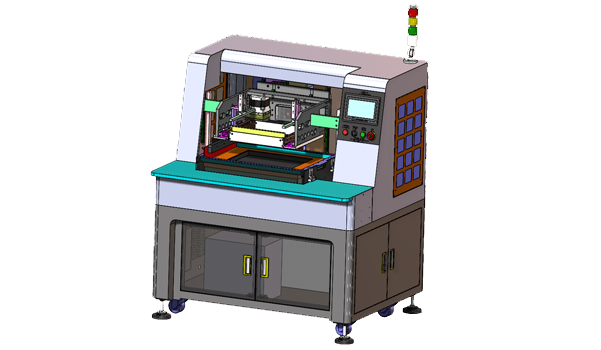
Robotlyne designed it as an Offline Station. The operator loads the Mainboard into a Width-Adjustable Three-Section Belt, the product enters the Dispensing Area, and after dispensing is complete the operator removes it and returns it to the Double-Speed Chain.
Fan Screw Fastening uses a different Offline Cycle.
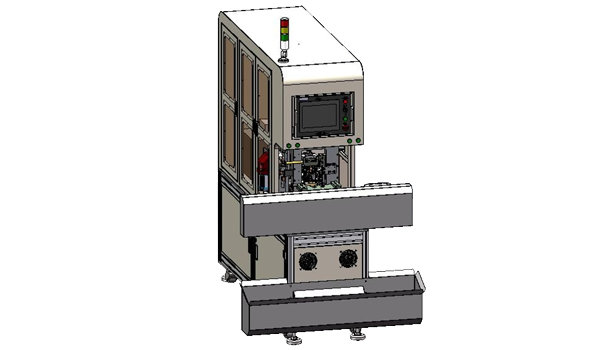
The operator first loads the Fan into a Fixture. A Y-Axis transfers the Fixture into the Robot Fastening Area. After Screw Fastening, the Fixture returns to the manual position, and the completed product re-enters the Main Line Carrier Flow.
The two stations perform different processes, but they play a similar role in the line architecture:
Each process has its own internal cycle, so the Main Conveyor does not have to absorb every movement inside that cycle.
Offline Stations Keep Internal Equipment Motions in Their Own Work Areas
For Fan Screw Fastening, the complete sequence involves more than the robot driving screws.
Manual Fixture Loading → Y-Axis Transfer → Robot Fastening → Y-Axis Return → Product Removal
If all of these actions were tied directly to one Main Conveyor position, the Carrier would have to remain there throughout the complete Fixture Movement and Fastening Cycle.
By placing the Y-Axis and Fastening Robot in a separate work area, Robotlyne keeps that movement inside the Offline Station.
The Main Conveyor brings the product to the production area. The Offline Equipment completes its own processing sequence. The product then returns to the normal route.
Mainboard Dispensing follows the same architectural principle with an independent Belt for internal product movement, so the dispensing process does not have to be organized around the mechanical motion of the Main Conveyor.
This gives different equipment types room to use the handling architecture that fits their process.
Stable, repetitive operations that can follow the Carrier Cycle can stay online. Processes with their own Loading, Fixture, and Processing actions can move off the Main Line. The production system remains connected, but each piece of equipment retains a work area suited to its actual process.
Aging and Debug Require More Space Than an Offline Station Can Provide
An Offline Station can absorb the internal cycle of one normal process.
The Aging / Debug section after Assembly operates on a different time scale.
Once a Power Module has completed the upstream assembly steps, it may not enter the next Testing / Debug stage immediately.
To provide enough capacity between Assembly and downstream processing, Robotlyne installed a Three-Stage Vertical Buffer Warehouse.
The Buffer System includes:
3 Warehouse Groups
9 Layers
For 40-Series products, each warehouse group holds approximately:
153 units
For all three groups combined:
approximately 459 units
For 30-Series products, each warehouse group holds approximately:
180 units
For all three groups combined:
approximately 540 units
At this stage, the line is no longer dealing with a few mechanical movements inside one station. Hundreds of products that have already completed the previous stage may be waiting at the same time.
Robotlyne therefore moves these products into the Vertical Warehouse instead of leaving them on the Main Conveyor.
Assembly can continue releasing completed Power Modules. The Warehouse receives those products. The downstream Aging / Debug Section then takes products from the Buffer according to its own operating pace.
The role of this space is different from an Offline Station.
Products inside an Offline Station are still undergoing a normal process.
Products inside the Vertical Buffer have finished the previous stage and are waiting for the next one.
A standalone Dispensing Station can therefore handle the cycle of one process, while Aging / Debug needs storage capacity for hundreds of products that may be waiting between production stages.
The two product families also use different planned buffer capacities. Complete Power Modules are approximately 437.5–460 mm long and 218–300 mm wide, while Mainboards are approximately 340–400 mm long and 207.5–307 mm wide.
The Vertical Warehouse therefore follows the actual Product Family and storage arrangement rather than simply extending the conveyor with more horizontal length.
Repair Positions Handle Products That Have Left the Normal Production State
Offline Stations and Buffer Storage are both part of the normal production route.
Another category of product requires a different path:
Abnormal Product
Robotlyne reserved Manual Handling / Repair Positions after the equipment sections.
When a product requires Repair or manual inspection, it can leave the normal Carrier Flow and be handled at a separate position while other conforming products continue through production.
This differs from an Offline Station such as Fan Screw Fastening.
Fan Screw Fastening is located away from the Main Line, but it is still part of the planned process route for normal products.
A Repair Position receives only products that need additional manual intervention.
The EV Power Module Line therefore includes several different reasons for leaving the Main Conveyor:
Normal operations that follow the Carrier Cycle → Main Line
Normal processes with independent cycles → Offline Station
Products waiting for downstream processing → Vertical Buffer
Abnormal products → Repair / Manual Handling Position
The product route can change, but Carrier Circulation still revolves around the same Double-Layer Conveyor.
The Carrier Board uses Anti-Static Material together with Conductive Wheels and a Bottom Conductive Plate for Static Discharge. After the product completes the required operations, the Empty Carrier returns to the front of the line on the lower conveyor path and enters the next production cycle.
Robotlyne also integrated a Digital Line Dashboard showing Equipment Status, Production Status, Capacity, Yield, and Product Pass-Through Data, together with Local Storage, Data Collection, and a Standard MES Interface.
For a production line with Online Stations, Offline Stations, Buffer Storage, and Repair Handling, this provides one view of operating conditions even when products do not always follow the same physical path.
The layout of this EV Charging Power Supply Line was shaped by the relationship between each process and the Main Flow. Operations that can reliably follow the Carrier Cycle remain online; equipment with its own Loading and Processing Rhythm moves to Offline Stations; longer waits are absorbed by the Vertical Buffer; and abnormal products move to dedicated Repair Positions.
For EV Charger, Power Module, or other Power Electronics projects in the automotive and energy industries that combine Dispensing, Multi-Side Screwdriving, Electrical Testing, Repair, and Aging / Debug, contact Robotlyne to plan the corresponding Automated Production Solutions around the actual Process Sequence, Station Cycle, Carrier Flow, and Buffer Requirements.