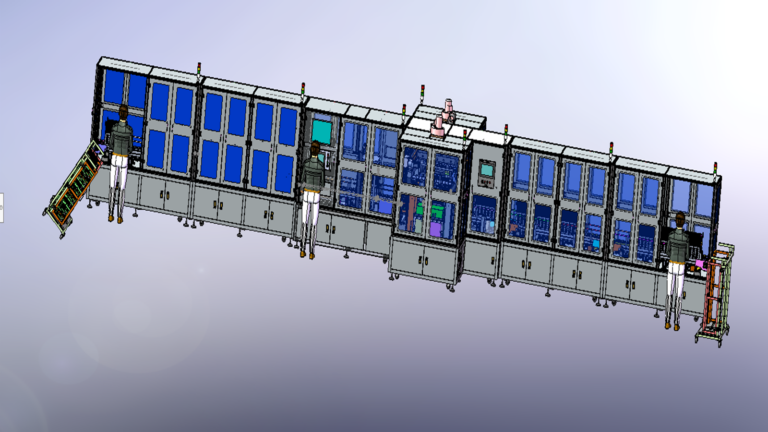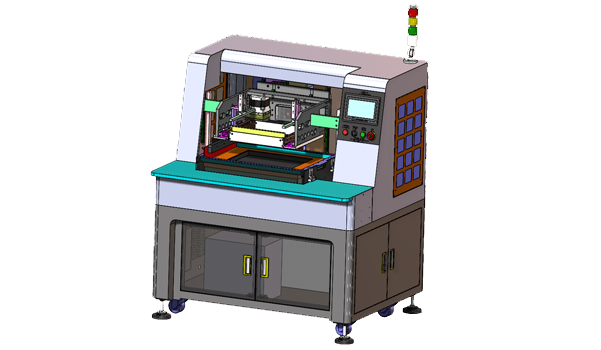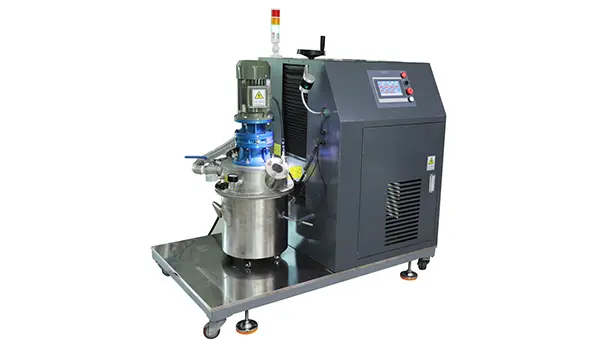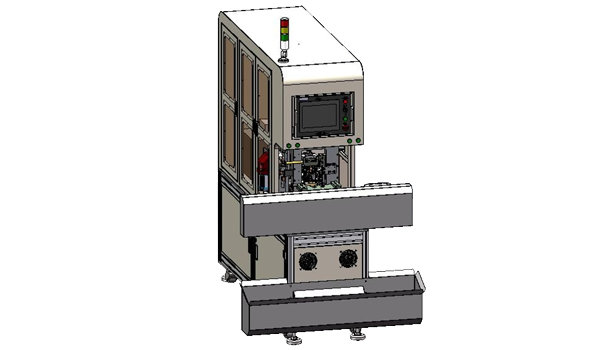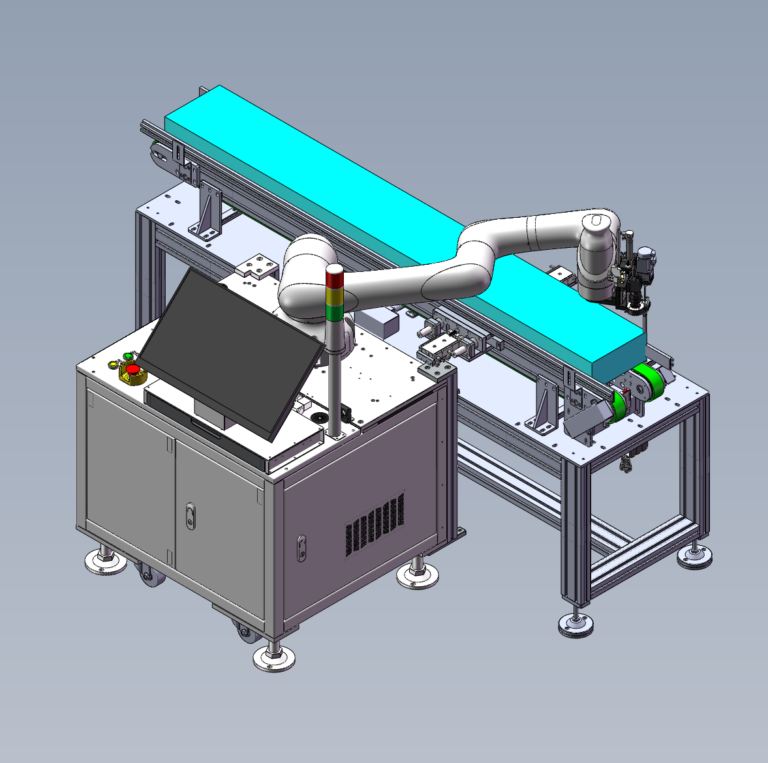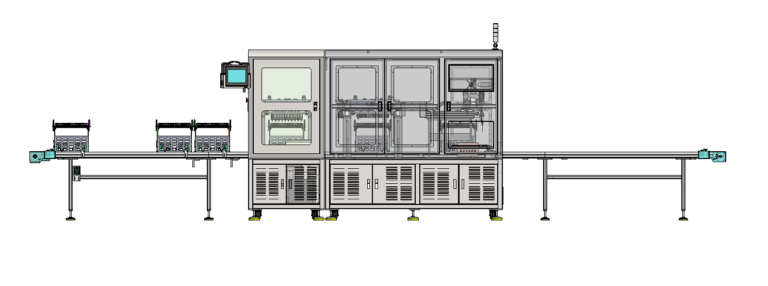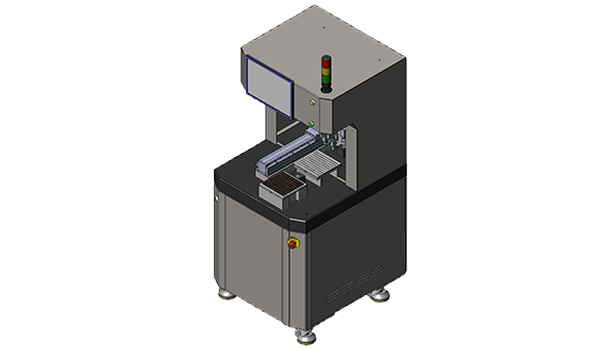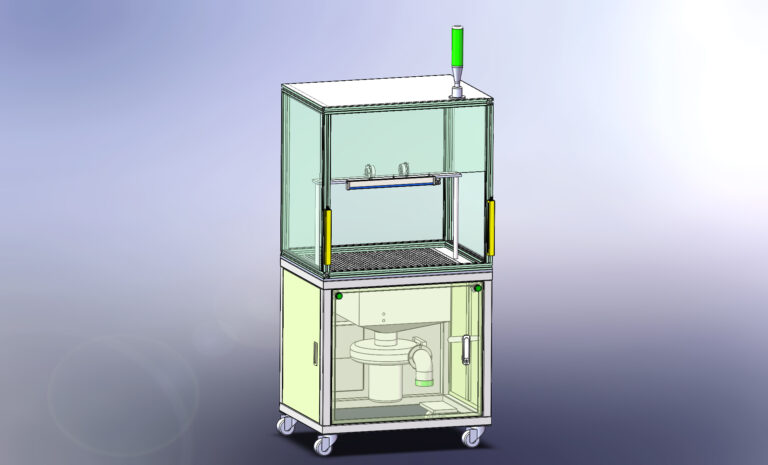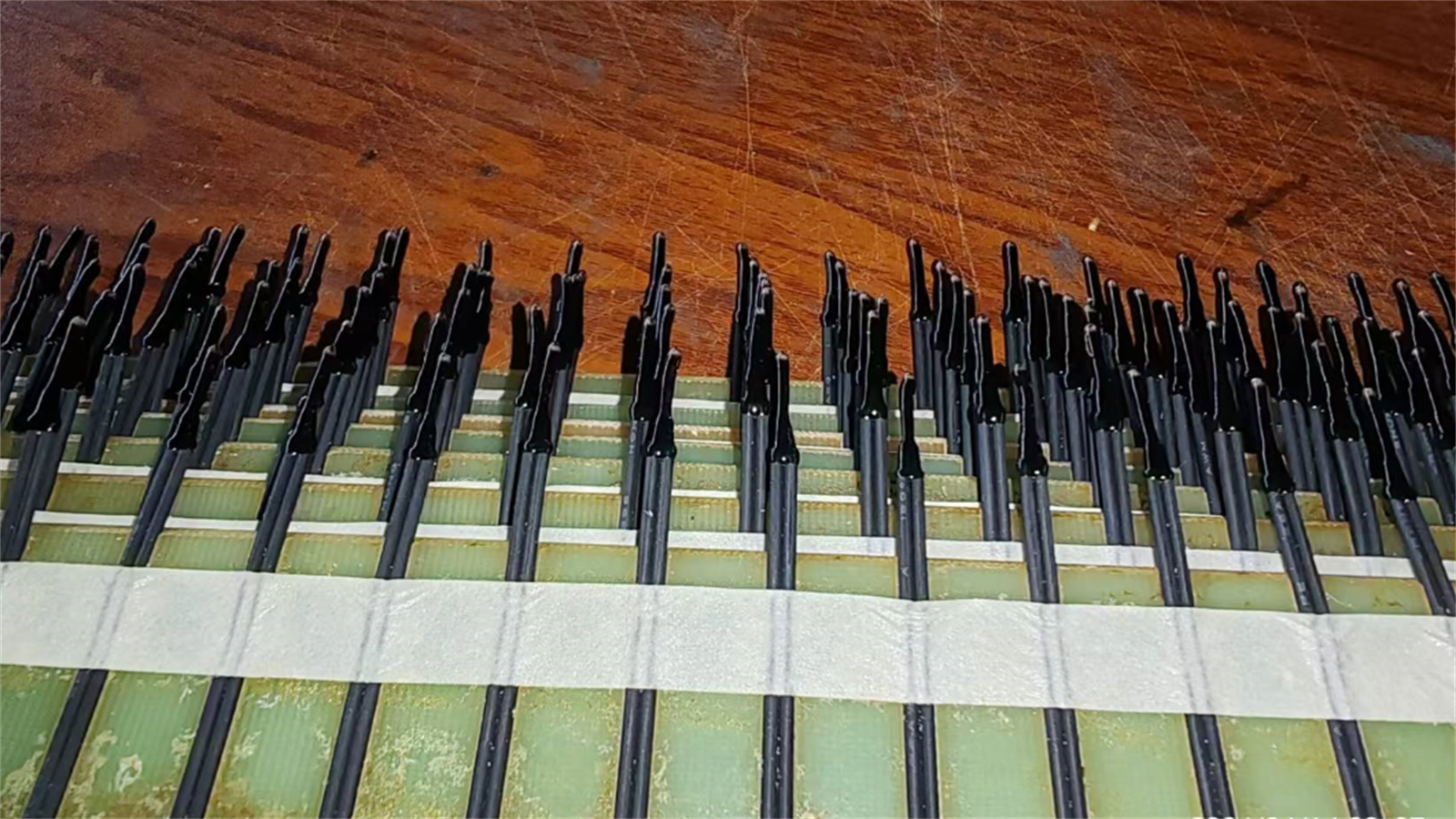
In Consumer Electronics NTC sensor manufacturing, when Robotlyne designs an automated assembly system, we do not start by requiring every machine to run at the same pcs/hour. In this NTC Finishing Line with CCD Inspection and Auto Cleaning project, the overall production target was 20,000 pcs/day, but the actual station capacities were different: Boarding was 2,000-2,500 pcs/hour, Welding + Tinning, CCD Inspection, and Automatic Cleaning were all around 1,800-2,000 pcs/hour, Encapsulation reached 6,000-7,000 pcs/hour, and Resistance + Hipot Testing was 3,000-4,000 pcs/hour.
Robotlyne did not force these machines into one nominal rate just to make the capacity table look uniform. The project was really a line-capacity matching exercise: first we identified which processes needed to run continuously with the preceding station, then which sections could be decoupled by Frames, Carts, and Fixtures, and finally how the higher-capacity downstream machines should handle batches.
Robotlyne’s NTC Sensor Production Automation covers Wire Processing, Welding, CCD Vision Inspection, Encapsulation, and Electrical Testing. In a full-line project like this, individual machine speed is only one parameter; how products move between machines also has a direct effect on total line capacity.
We First Broke the 20,000 pcs/day Target Down into Real Station Capacities
When we placed the main process capacities side by side during project planning, the differences were obvious:
Process | Planning Capacity |
Boarding | 2,000-2,500 pcs/hour |
Welding + Tinning | 1,800-2,000 pcs/hour |
CCD Inspection | 1,800-2,000 pcs/hour |
Automatic Cleaning | 1,800-2,000 pcs/hour |
Encapsulation | 6,000-7,000 pcs/hour |
Resistance + Hipot Testing | 3,000-4,000 pcs/hour |
Robotlyne first looked at the processes that had to run as a continuous sequence, not at the highest figure of 6,000-7,000 pcs/hour.
After Boarding, the products move through:
Welding + Tinning
↓
CCD Inspection
↓
Automatic Cleaning
All three sections are around 1,800-2,000 pcs/hour. Boarding is slightly higher at 2,000-2,500 pcs/hour, leaving some feeding margin for the downstream process. Once production reaches Welding, neither CCD Inspection nor Cleaning suddenly drops to a much lower throughput.
That allows this part of the line to maintain a relatively continuous production rhythm. Products leave Welding and move into CCD. After Weld-Offset Inspection, they continue into Automatic Cleaning, which remains in a similar capacity range. These three machines do not need a large batch buffer between every process just to maintain basic flow.
The major change comes at Encapsulation, which is planned at 6,000-7,000 pcs/hour. Looking only at the machine ratings, it is much faster than Welding, CCD, and Cleaning. Robotlyne did not reduce Encapsulation capacity to match 2,000 pcs/hour, and we did not require every upstream machine to rise to 6,000 pcs/hour either.
By this point, the way products move through the line has changed. The front end behaves mainly as continuous flow, while the downstream process relies more on Frames, Fixtures, and Carts. These two areas do not need a strict one-piece-out, one-piece-in synchronization.
The same applies to Resistance + Hipot Testing at 3,000-4,000 pcs/hour. Its role is to handle Electrical Verification after the preceding processes, so it does not have to maintain exactly the same instantaneous output rate as the Welding Station.
At this point, the line is no longer a simple sequence of six machines with matching numbers. We are managing three different production behaviors:
Continuous front-end output
Batch transfer through carriers
Higher-capacity downstream processing
60 Frames, 5 Carts, and 150 Fixtures Connected Machines Running at Different Speeds
Once the capacities of adjacent processes are different, products need a place to wait, circulate, and re-enter the next process. For this project, Robotlyne configured:
60 Encapsulation Frames
5 Turnover Carts
150 Potting Fixtures
These carriers do not appear in the pcs/hour column of the capacity table, but they directly affect how the line operates.
Welding, CCD, and Cleaning can continue producing parts at the front end. After Cleaning, the products enter the corresponding Frame / Fixture circulation. Turnover Carts then move these carriers into the downstream process area.
Encapsulation therefore does not need to remain strictly synchronized with the front end. Once a batch is ready, the Encapsulation Machine can process it at its 6,000-7,000 pcs/hour machine capacity, complete that batch, and then wait for the next group of products.
Resistance + Hipot Testing works in a similar way. With 3,000-4,000 pcs/hour of processing capacity, it can continue to absorb products that have completed Encapsulation and the preceding downstream operations.
This is where Machine Capacity and Line Capacity become two different concepts. An Encapsulation Machine can have an instantaneous capacity of 6,000-7,000 pcs/hour while the complete line is still organized around a 20,000 pcs/day target. A Tester can run at 3,000-4,000 pcs/hour without requiring the entire production line to run continuously at that speed.
What Robotlyne needs to control is the relationship between sections: whether the front end can continue supplying products, whether the Frames and Fixtures support the required circulation, whether the Carts connect the process areas effectively, and whether the higher-capacity downstream equipment can clear accumulated batches when needed.
That is why this project includes 60 Frames, 5 Carts, and 150 Potting Fixtures. If we look only at machine speed, these quantities are easy to overlook. In practice, they are what connect the 1,800-2,000 pcs/hour continuous section, the 6,000-7,000 pcs/hour Encapsulation process, and the 3,000-4,000 pcs/hour Electrical Testing section into one automated assembly system.
Robotlyne ultimately did not make every machine run at the same speed. We allowed each process to operate according to its own characteristics, then used Material Transfer to organize those different capacities around one 20,000 pcs/day production target.
For Consumer Electronics NTC Sensor Production Lines where different processes already have their own Cycle Times and machine capacities, contact Robotlyne. Robotlyne can review the complete line configuration based on actual daily output, station capacity, frame quantity, and fixture circulation.