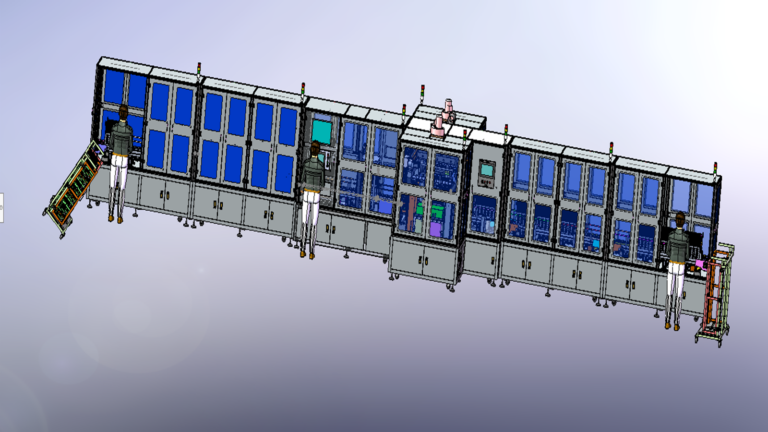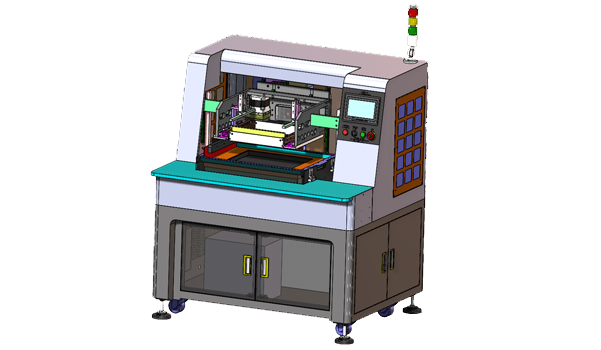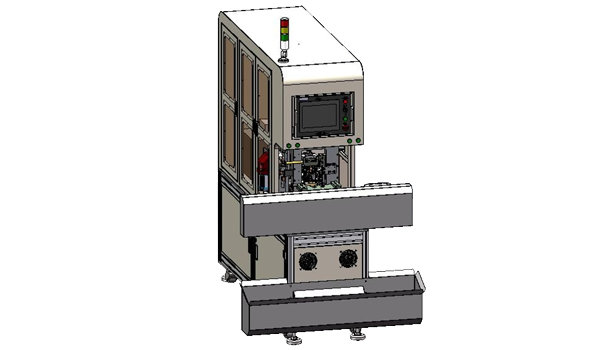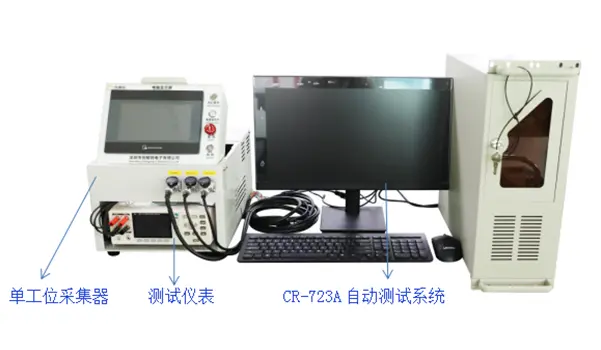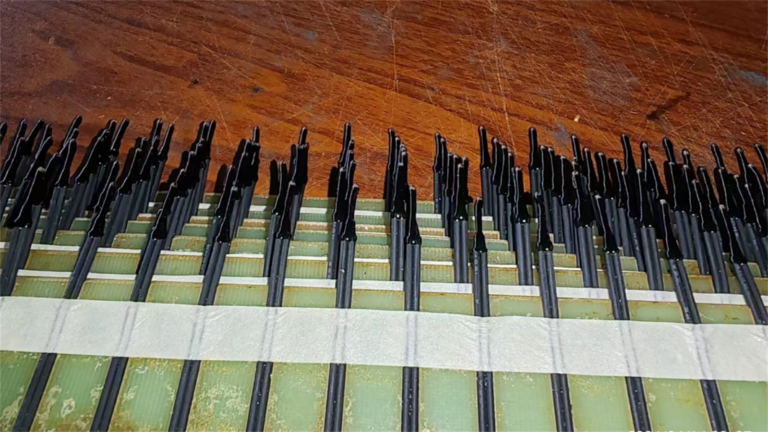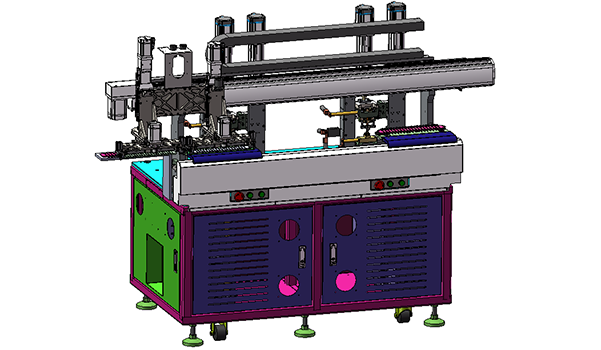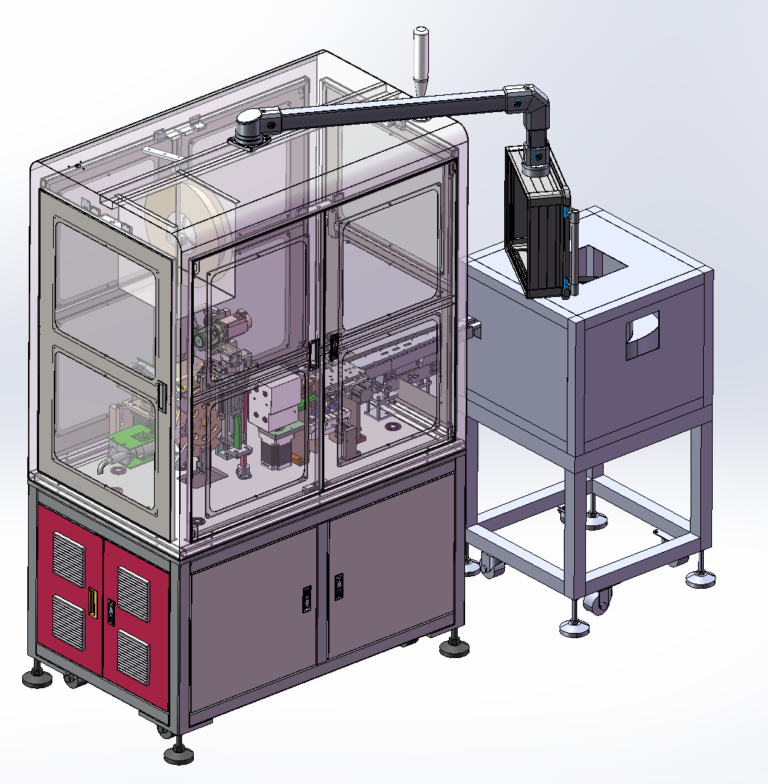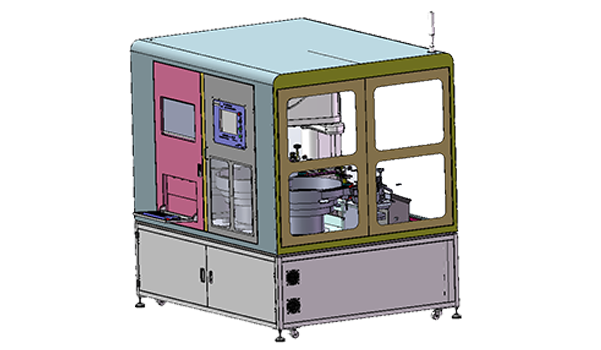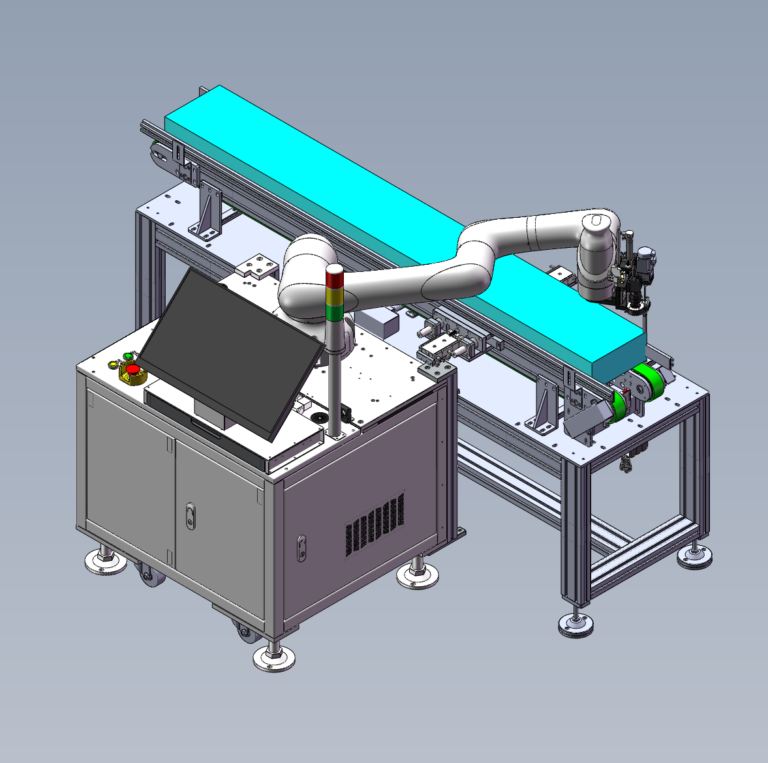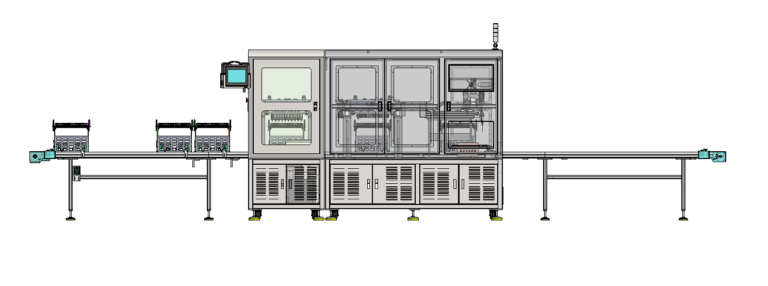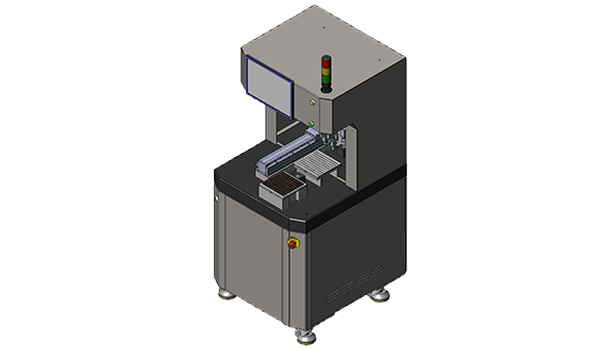
For NTC sensor manufacturing projects related to Telecom Equipment, when we design an automated assembly line solution, we do not define the goal simply as “use as much automation as possible.” In this 58-Ohm Resistor NTC Production Line project, the target output was approximately 20,000 pcs/day. At the same time, we had to connect Boarding, 58-ohm Resistor Soldering, Ultrasonic Cleaning, Glue Preparation, Encapsulation, Shell Insertion, Dispensing, and Performance Testing into one practical production route. The project also included Equipment Cost, Fixture Investment, Labor Reduction, and Payback Analysis, so from the beginning we evaluated Production and Investment together rather than completing the equipment design first and adding ROI later.
The final plan was not a fully unmanned line. We kept some Board Insertion, Supplemental Glue, and Testing Actions manual, while high-frequency repetitive operations such as Boarding, Resistor Welding, Cleaning, Glue Preparation, Encapsulation, and Shell Insertion were included in the automation scope. In the project investment model, Fixtures were approximately CNY 159,100, Equipment was approximately CNY 1.3661 million, and the Total Package was approximately CNY 1.5207 million. Based on the staffing model used for the project, the plan was expected to reduce approximately 17 operators, save about CNY 136,000 in monthly labor cost, and achieve a Payback of roughly 10 months.
Robotlyne’s NTC Sensor Production Automation covers Wire Processing, Soldering, Inspection, Encapsulation, Curing, and Electrical Testing, and supports expansion from standalone workstations into complete production lines. We followed the same logic in this project: first decide which processes were worth automating, and then combine those machines into a complete Production Package.
We Did Not Start by Asking “Where Can We Automate?” We Started by Asking “Where Will Automation Actually Change Staffing?”
Many operations on this NTC Production Line could technically have been pushed further toward unmanned production.
But “technically possible” does not automatically mean “worth doing” for the project.
We kept some Board Insertion, Supplemental Glue, and Testing Actions manual. The reason was straightforward: further automating those steps would add Equipment, Fixture, Control, and Changeover Cost, while the reduction in staffing might not increase at the same rate.
So we first selected the high-frequency repetitive operations.
Boarding Machine planned capacity:
2,000-2,200 pcs/hour
58-ohm Resistor Joining uses a Dual-Station Welding Machine:
1,600-2,000 pcs/hour
Shell Insertion and Dispensing:
4,000-5,000 pcs/hour
These processes repeat the same actions thousands of times each day.
Once automated, they can continuously replace manual work that was previously distributed across different positions.
That is why the staffing model for the project estimated an overall reduction of approximately:
17 people
We did not first create a Machine List and then ask how many people those machines could save.
The actual project logic was closer to:
How much repetitive manual work exists in the current process
→
Which actions can be mechanized reliably
→
Which positions can be removed or combined after automation
→
Which remaining actions should stay manual
→
Confirm the final Machine Scope
This keeps Equipment Scope and Labor Reduction connected.
If a machine is added but does not change the real staffing structure, that investment needs to be reconsidered.
Cleaning and Glue Preparation Do Not Directly “Assemble” the Product, but We Still Included Them in the Production Package
If we look only at the core assembly steps of an NTC sensor, the process can easily be simplified to:
Boarding
→
Resistor Welding
→
Encapsulation
→
Shell Assembly
→
Testing
But we did not limit the package to these “main machines.”
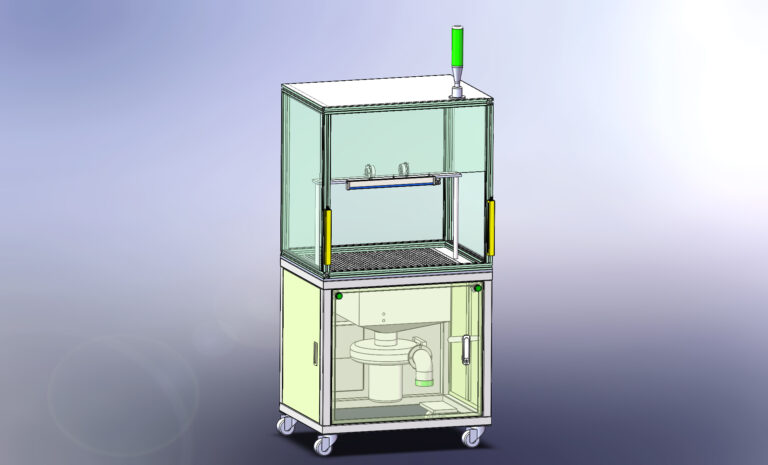
The Ultrasonic Cleaning Line was also included.
It was planned at 24 frames/hour and included:
Two Cleaning Passes
and:
One Drying Pass
Glue Preparation was also kept inside the production scope.
We configured:
Automatic Rolling
Automatic Glue Mixing
Vacuum Mixing
The Automatic Glue Mixing system includes Ratio Control and Weight Monitoring.
These support processes add capital cost.
But if Cleaning, Glue Mixing, and Vacuum Treatment are removed simply to reduce the quoted equipment price, much of the preparation work that affects Encapsulation moves back to separate manual operations outside the line.
That is the difference between a complete Production Package and a set of isolated automation machines.
Our quotation was not simply the sum of a few core machines.
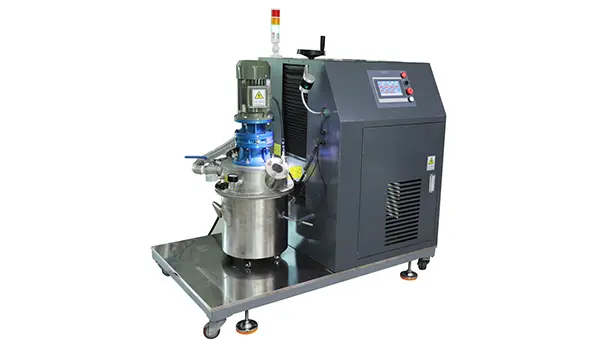
The final Equipment Package included the Boarding Machine, Welding Machine, Encapsulation Machine, Shell-Insertion Dispensing Machine, Computer Test System, Data Collectors, Automatic Rolling, Automatic Glue Mixing, Vacuum Mixing, and Ultrasonic Cleaning.
This is why the total investment is higher than the price of only the Welding or Encapsulation machines.
We were not buying one “faster machine.”
We were reorganizing a group of previously separated manufacturing steps into a more complete Production Route.
The Approx. CNY 1.52 Million Investment Had to Come Back to Two Numbers: 17 People and CNY 136,000 per Month
After the Production Scope was defined, we calculated Fixture and Equipment Investment separately.
Fixtures:
Approx. CNY 159,100
Equipment:
Approx. CNY 1.3661 million
Total Package:
Approx. CNY 1.5207 million
We then placed Labor Reduction on the other side of the model.
Estimated labor reduction:
17 people
Estimated monthly labor saving:
Approx. CNY 136,000
Only at this point does Payback become meaningful.
Estimated payback in the model:
Approx. 10 months
We did not treat “10-month payback” as a standalone marketing number.
It comes directly from the Automation Scope.
If we add more fully automatic equipment, total investment rises.
If the additional equipment does not reduce staffing further, Payback becomes longer.
On the other hand, if we remove a process that can genuinely eliminate fixed manual labor, the Monthly Saving also falls.
So the ROI in this project is dynamic.
It changes together with:
Equipment Scope
Fixture Cost
Remaining Manual Work
Labor Reduction
Monthly Saving
Every time the project scope changes, Payback needs to be recalculated.
This is also why we did not define “zero labor” as the goal.
Our target was that the added automation investment should correspond to a measurable change in production.
20,000 pcs/day Had to Pass Both the Capacity Check and the Investment Check
The line target was approximately:
20,000 pcs/day
Before confirming the investment plan, we still had to verify that the main equipment could support the target output.
Boarding:
2,000-2,200 pcs/hour
Resistor Welding:
1,600-2,000 pcs/hour
Encapsulation:
10,000-14,000 pcs/hour
Shell Insertion / Dispensing:
4,000-5,000 pcs/hour
Ultrasonic Cleaning:
24 frames/hour
The line also included:
120 Encapsulation Frames
and:
10 Turnover Carts
So the final decision was not based on a standalone ROI table, and it was not based only on a Production Layout.
Both sides had to work.
On the Production Side, we checked whether the Machine Capacity, Frame Quantity, and Turnover Arrangement could support the target output.
On the Investment Side, we checked whether the staffing reduction created by the equipment and fixtures could justify the approximately CNY 1.52 million total investment.
Only when both sides were workable did we move forward with the final automated assembly line solution.
The project therefore became a combination of high-frequency automation, necessary support processes inside the Production Package, selected manual operations where further automation offered limited return, and a labor-saving model used to verify the overall payback.
For Telecom Equipment NTC Sensor production projects where the daily output target is already known but the automation scope is still unclear, contact Robotlyne. We can place the current process, target daily output, staffing structure, and proposed automation steps into one project model before deciding which equipment should be included in the final production line.