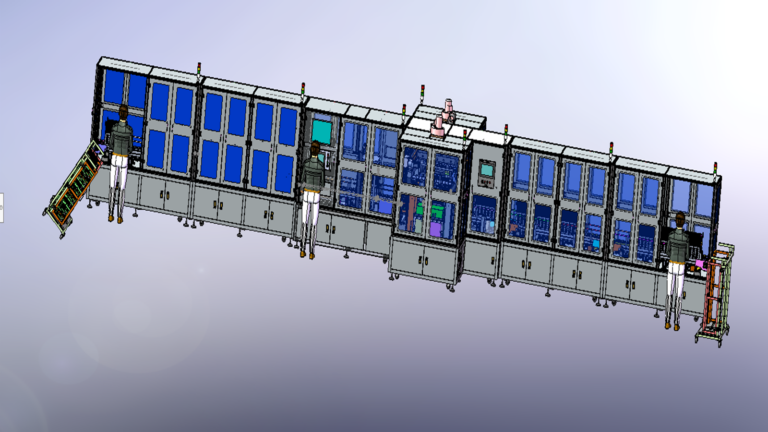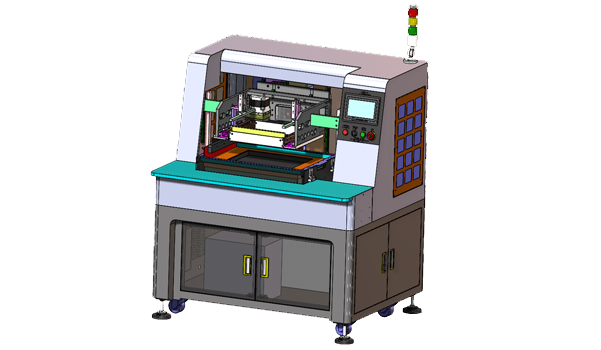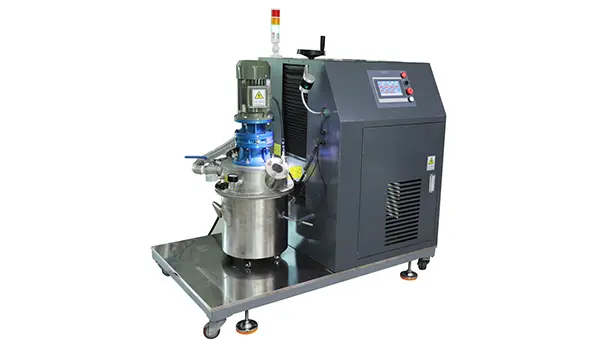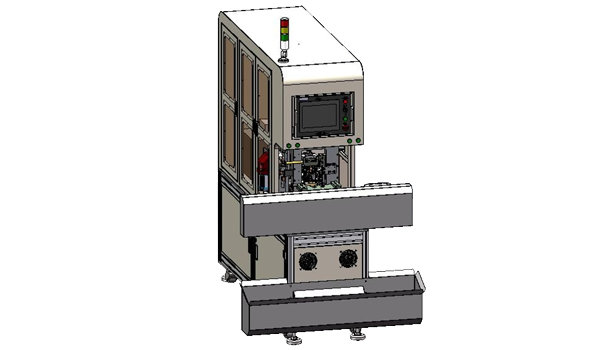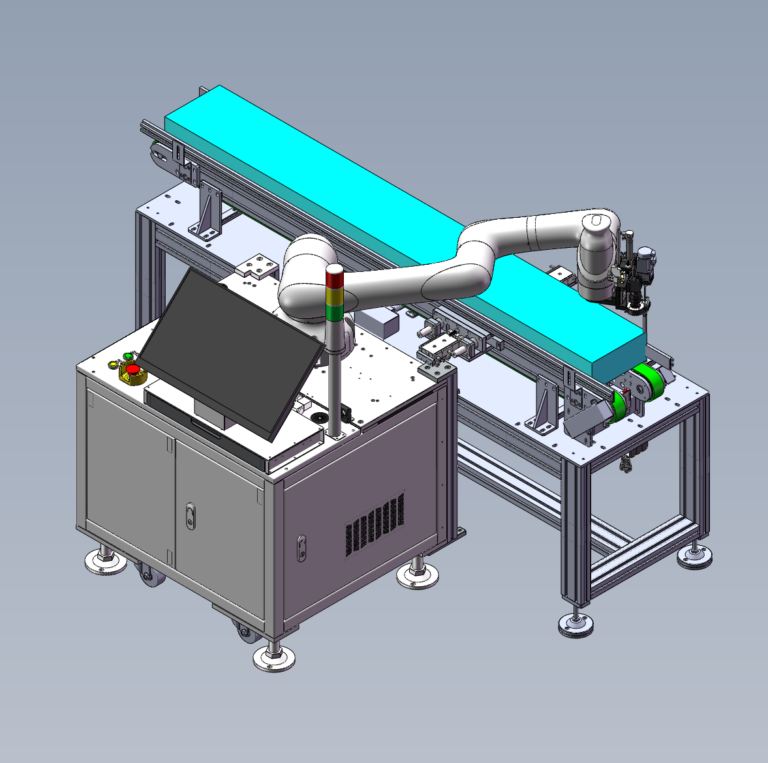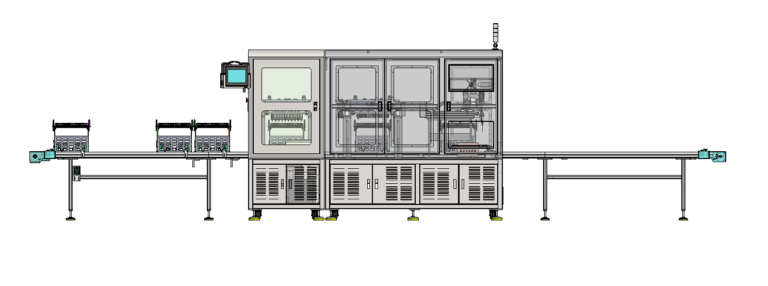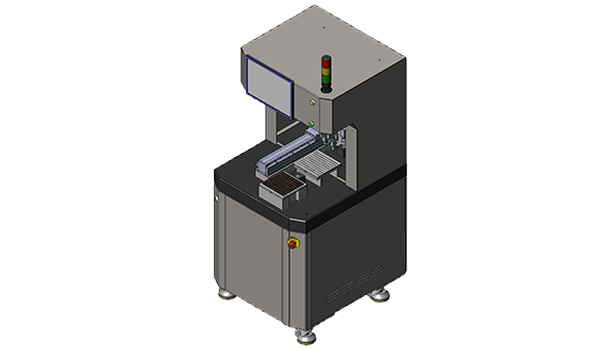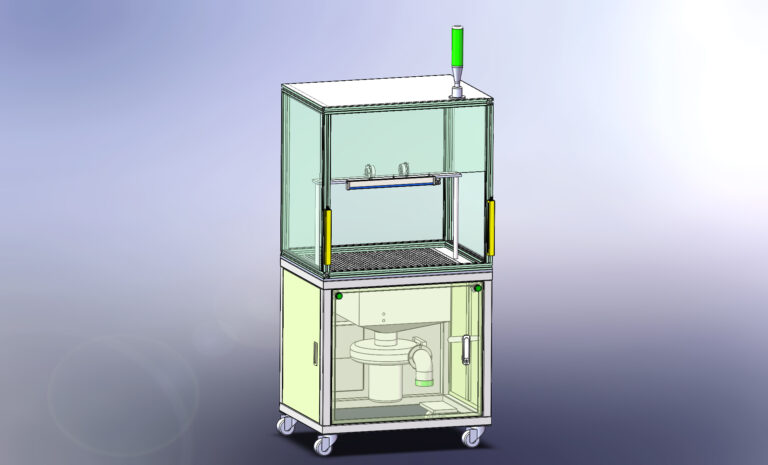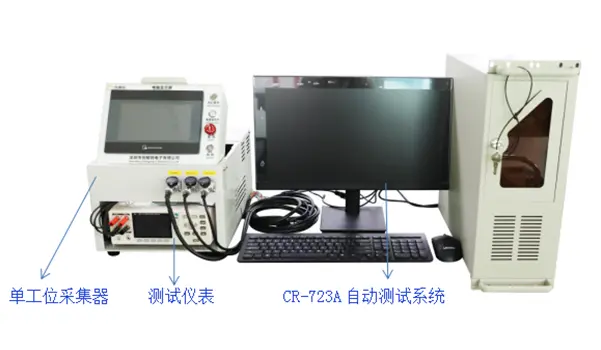
For temperature-sensing components used in Food Processing Equipment, designing an automated production system means more than deciding whether an NTC sensor can complete wire cutting, soldering, encapsulation, and shell assembly. We also have to decide what information the product should leave behind when it reaches the end of the line. In this NTC Production Line with Database-Backed Testing project, we connected Wire Cutting and Boarding, Soldering, Ultrasonic Cleaning, Encapsulation, Shell Insertion and Dispensing, and final Resistance Testing into one production route. At the test stage, the PLC makes the judgment, stores the Resistance Test Data in a Database, and displays the OK / NG status. The complete line was planned around a production target of 20,000 pcs/day.
When we review this project, it makes sense to start from the final Test Station and work backward. The final test gives us the Resistance Result, but before that result exists, the product has already passed through Joining, Cleaning, Glue Preparation, Encapsulation, Curing, and Shell Assembly. The Database sits at the backend of the line, but the measurement it stores is the final output of the entire manufacturing route.
Robotlyne’s NTC Sensor Production Automation covers Wire Processing, Soldering, Inspection, Encapsulation, Curing, and Electrical Testing, and can also include automatic test-data recording. For temperature sensors used in Food Processing Equipment, this allows front-end manufacturing and final Electrical Verification to be planned as one production system.
The Last Station Leaves More Than an OK / NG Result
The Performance Testing Section follows a simple sequence:
Manual Loading
→
Automatic Resistance Testing
→
PLC Judgment
→
Database Storage
The system also provides OK / NG indication during the test process.
We retain manual loading, but Measurement and Judgment are handled by the equipment.
The difference from fully manual resistance testing is not only test speed. With manual operation, the measurement result, the operator’s judgment, and the recording step can be separate actions. In this workflow, the Resistance Measurement goes directly into PLC Judgment, and the result is then stored in the Database.
At the end of one test cycle, the line therefore produces two outputs at the same time:
Physical Product
and:
Test Record
The product continues into the next handling or discharge step. The test data remains in the Database.
That changes the role of the Test Station. It is no longer limited to confirming whether one unit is acceptable; it completes the test and leaves a corresponding production record.
We did not place this Database function on a separate off-line tester. It is part of the backend production route.
Before the Resistance Result Exists, the Product Has Already Passed Through Shell Assembly and Encapsulation
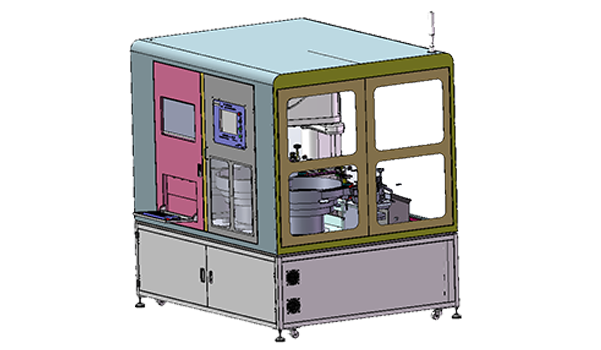
One stage upstream from the Test Station is Shell Insertion and Dispensing.
We use Vibratory-Bowl Feeding here, with a planned capacity of approximately
4,000–5,000 pcs/hour
Further upstream is Encapsulation.
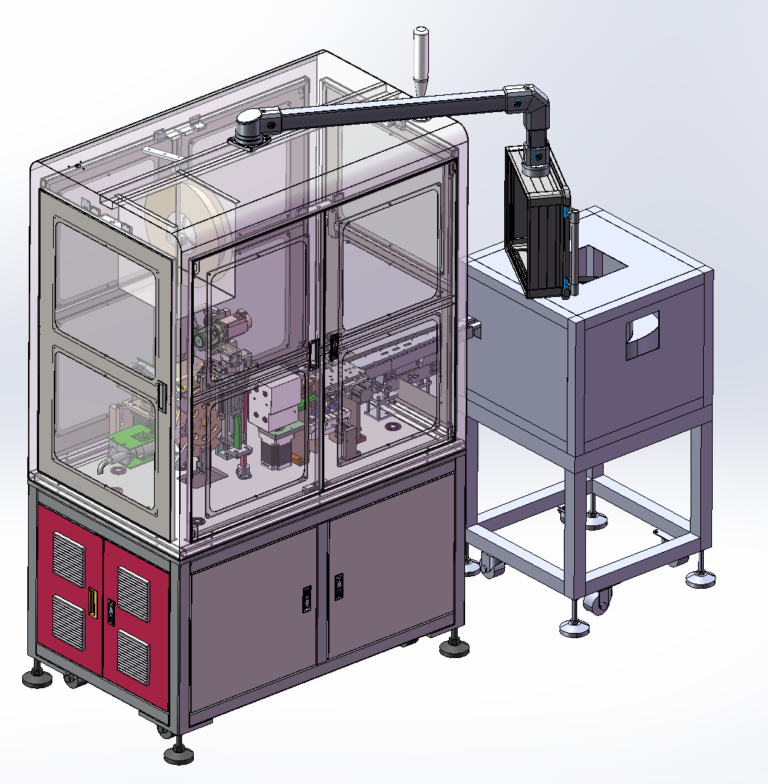
The Automatic Encapsulation Machine in this project is planned for approximately:
10,000–14,000 pcs/hour
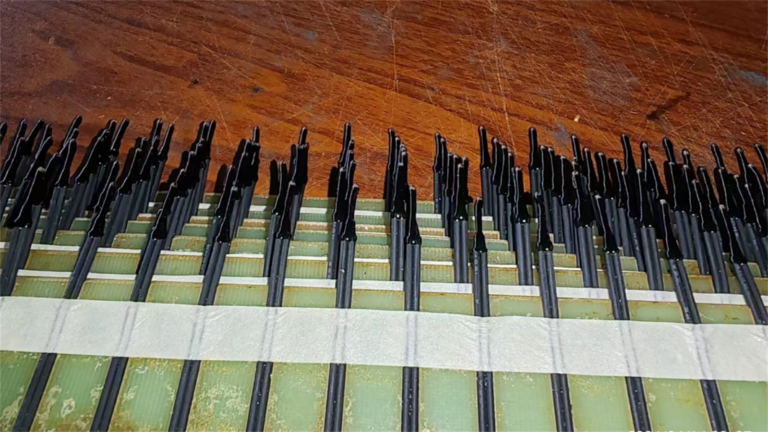
By this point, the product is already far removed from its original Wire and Resistor Joining state.
Before reaching Database Testing, one NTC sensor has already passed through:
Wire / Resistor Joining
↓
Cleaning
↓
Encapsulation
↓
Curing
↓
Shell Insertion
↓
Dispensing
↓
Resistance Testing
The final Test Result therefore sits at the end of a complete manufacturing sequence.
We do not treat the Performance Tester as an isolated final-inspection machine. It is testing a product that has already passed through the full upstream manufacturing process.
If Encapsulation, Shell Assembly, or Material Preparation varies, the final Electrical Test still has to evaluate the finished result of those processes.
Connecting Testing to the full Production Route is therefore more important than simply adding a tester at the end.
We Control the Glue State Before It Reaches the Dispensing Head
Some equipment in this project is easy to overlook because it does not directly assemble the finished sensor.
We included:
Automatic Rolling
Automatic Glue Mixing
Vacuum Mixing
Glue Preparation uses Recipe Control, Weighing Feedback, and Vacuum Mixing to manage the material state before Dispensing and to reduce bubbles, settlement, and process variation.
This happens before the Encapsulation Result is formed.
A Dispensing Machine can control how much material is dispensed, but better mechanical repeatability alone cannot remove every Encapsulation variation if the material entering the process has already changed.
For that reason, we did not design only the Dispensing Machine. We also included the Material Preparation steps that happen before the glue reaches the Dispensing Process.
This is particularly important on a line that also includes Database Testing.
The Database stores the final Resistance Result, but it does not replace process control upstream.
We still need Glue Mixing, Vacuum Treatment, Encapsulation, and Curing to be completed according to their own process requirements before the product reaches testing.
The test record preserves the result. The process equipment is responsible for making the manufacturing sequence repeatable.
20,000 pcs/day Also Has to Move Through Cleaning, Frames, and Carts
Looking further toward the front of the line, the product does not stay on one continuous conveyor from start to finish.
The Ultrasonic Cleaning Line is planned for:
24 Frames/hour
and includes:
Two Cleaning Passes + One Drying Pass
In the Encapsulation area, we configured:
120 Encapsulation Frames
and:
10 Turnover Carts
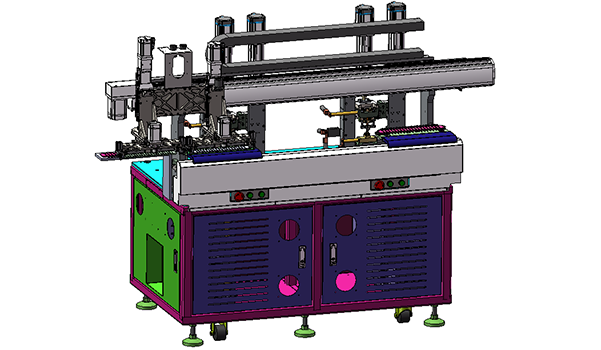
The front-end Cutting / Boarding and Dual-Station Welding sections are both planned at approximately:
1,600–2,000 pcs/hour
This creates two different Product Movement modes within the same line.
At the front end, products are formed continuously through:
Cutting / Boarding
→
Welding
Once the process reaches Cleaning, Encapsulation, and Curing, the products begin to move in batches through:
Frames
and:
Turnover Carts
After that, they continue into Shell Insertion and final Performance Testing.
So we did not design a straight line with one Material Handling Mode from beginning to end.
The 20,000 pcs/day target is distributed across different Process Areas, and Frames and Carts reconnect Cleaning, Encapsulation, and Cure Logistics to the rest of the production route.
The Database Test Station sits at the backend of that route.
When a product enters Resistance Testing, it has already completed mechanical processing, Cleaning, Material Preparation, Encapsulation, Curing, and Shell Assembly.
Once testing is complete, we do not only receive an OK or NG judgment; we also retain the Measurement Result.
That is how this Automated Production System differs from simply placing several automation machines next to one another: the final Measurement and the upstream manufacturing process belong to the same production route.
For NTC temperature sensors used in Food Processing Equipment, when Wire Processing, Soldering, Cleaning, Encapsulation, Shell Assembly, and Database-Backed Testing need to operate as one production system, contact Robotlyne to plan the line around the actual product process and the test data that needs to be retained at the end.